
Leveraging Technology in Captive Finance: The Role of AI and Data in EV Loan Approvals
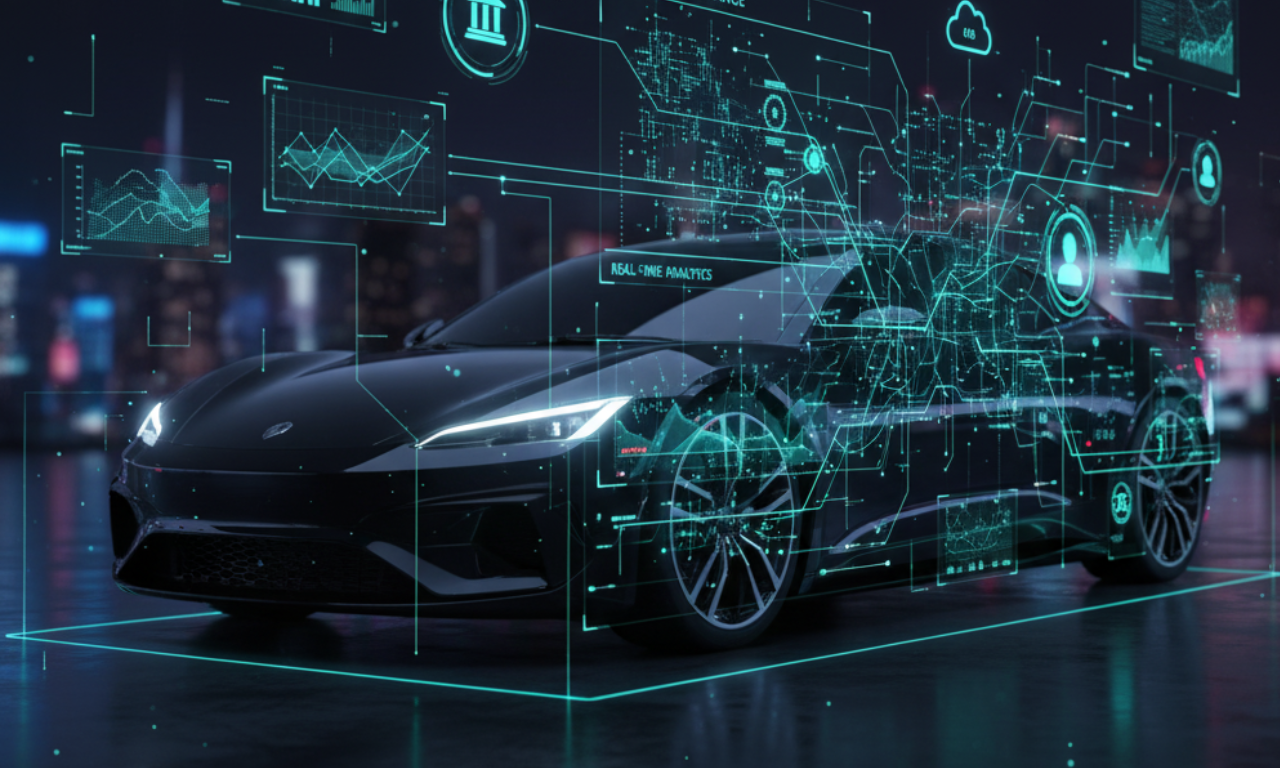
The rapid adoption of electric vehicles (EVs) presents both exciting opportunities and significant challenges. One of the most pressing issues for both OEMs (Original Equipment Manufacturers) and consumers is financing. While EVs offer long-term savings through lower operating costs, the high upfront cost remains a major barrier to entry for many consumers. To address this challenge, OEMs are increasingly turning to captive finance, where they establish their own financial arms to offer tailored financing solutions directly to consumers.
However, to truly capitalize on the potential of captive finance in the EV market, OEMs must integrate advanced technologies such as Artificial Intelligence (AI) and data analytics into their financing models. These technologies enable real-time credit scoring, personalized loan offers, and seamless customer experiences. This article explores how AI and data are revolutionizing captive finance in the EV industry and why they are essential to driving EV adoption.
The Role of AI in Credit Scoring and Risk Assessment
AI has become a cornerstone of modern credit scoring and risk assessment in the automotive industry. Traditionally, credit scoring relied heavily on static factors such as credit history and income levels, which often left EV buyers with limited credit histories at a disadvantage. However, AI-powered credit scoring models can incorporate a much wider range of data, providing a more holistic view of a potential borrower’s financial behavior.
1. Real-Time Risk Scoring
AI can analyze real-time data from various sources to assess the creditworthiness of potential customers. For example, AI can analyze vehicle data, such as mileage, driving habits, and battery usage, to predict the borrower’s ability to repay the loan. This allows OEMs to offer more personalized loan terms and adjust rates based on the borrower’s behavior and financial profile.
2. Dynamic Loan Offers
AI enables OEMs to offer dynamic loan terms that can be adjusted in real time. This includes adjusting interest rates, repayment schedules, and loan amounts based on customer behavior, market conditions, and external factors such as government incentives. AI models can continuously monitor changes in the borrower’s financial status and adjust the loan terms accordingly, ensuring the loan remains manageable throughout its duration.
3. Improved Risk Mitigation
AI can also help mitigate risks by identifying potential default risks early on. By analyzing historical data and customer behavior patterns, AI can predict which loans are at a higher risk of default, enabling OEMs to take proactive measures such as adjusting loan terms, offering repayment holidays, or identifying alternative financing solutions for at-risk customers.
Building a Data-Driven Captive Finance Platform
To fully leverage the power of AI, OEMs must invest in a data-driven captivated finance platform. This platform must be capable of integrating multiple data sources and using them to make real-time decisions on loan approvals and terms.
1. Customer Data Integration
A key component of a data-driven platform is the integration of various data sources, including customer financial data, vehicle data, and even telematics data. For example, real-time data from the vehicle’s onboard sensors can provide insights into driving behavior, mileage, and battery usage, which can then be used to predict future maintenance costs or the likelihood of loan repayment.
2. AI-Based Loan Origination Systems (LOS)
AI-based Loan Origination Systems (LOS) streamline the loan application process by automating many of the manual tasks associated with loan approvals. These systems can collect and verify documents, perform KYC (Know Your Customer) checks, and assess the borrower’s creditworthiness - all in real time. By leveraging AI, the system can also recommend loan terms based on the borrower’s financial situation, enhancing the customer experience and reducing the time required to close a deal.
3. Cloud-Based Platforms
OEMs should invest in cloud-native systems that are capable of processing large amounts of data in real time. Cloud-based platforms allow for seamless integration between the OEM’s captive finance arm, dealerships, and customers, ensuring that all parties can access the same information and make real-time decisions.
4. Data Security and Compliance
With the increasing use of AI and data analytics, ensuring the security and privacy of customer data is critical. OEMs must comply with data privacy regulations such as the General Data Protection Regulation (GDPR) and ensure that their systems are ISO 27001 certified for information security management.
AI-Powered Loan Management Systems (LMS)
A key aspect of modern captive finance is the Loan Management System (LMS), which helps OEMs manage loans, track payments, and monitor customer accounts in real time. AI can enhance LMS by providing advanced features such as:
1. Real-Time Loan Monitoring
AI-powered LMS platforms allow OEMs to monitor loan performance in real time, identifying potential issues before they become major problems. By integrating with vehicle telematics and payment systems, these platforms can track whether a customer is likely to make their next payment on time, providing valuable insights into loan performance.
2. Predictive Analytics
AI can use predictive analytics to forecast future loan performance. By analyzing historical data, AI models can predict which loans are most likely to default, helping OEMs take proactive steps to mitigate these risks.
3. Seamless Integration with Dealer Networks
AI-powered LMS platforms can integrate seamlessly with dealer networks, ensuring that loans are approved quickly and that the customer’s financing is tied directly to their vehicle purchase. This integration ensures a smooth and efficient experience for both the customer and the dealer.
The Future of AI in Captive Finance: Predictive Analytics and Beyond
The role of AI in captive finance is only set to grow. In the future, AI will play an even greater role in enhancing the customer experience, improving risk management, and optimizing financing terms. Some key trends to watch for include:
1. AI-Driven Loan Customization
In the future, AI will be able to offer even more customized loan terms based on a wide range of factors. This could include adjusting loan amounts and interest rates in real time based on customer preferences, market trends, and even external economic factors.
2. Autonomous Financing
We may also see the rise of autonomous financing, where AI systems fully manage the loan approval and management process without human intervention. This will lead to faster loan approvals, reduced operational costs, and improved customer satisfaction.
3. Blockchain Integration
The integration of blockchain technology with AI could further enhance the transparency and security of the financing process. Blockchain could help OEMs track the entire lifecycle of the loan, from origination to repayment, ensuring that all transactions are transparent and secure.
Conclusion
As the EV market continues to grow, OEMs must embrace advanced technologies like AI and data analytics to stay competitive. By leveraging AI for credit scoring, risk assessment, and loan origination, OEMs can create more personalized and flexible financing solutions that make EVs more accessible to a wider range of customers. A data-driven, AI-powered captive finance platform is essential for driving the adoption of electric vehicles and ensuring that OEMs remain at the forefront of the automotive industry.
At GrowthJockey, we believe India’s EV story will only reach full maturity when financial innovation catches up with technological progress. As venture architects, we help enterprises bridge that gap designing and scaling digital-first ecosystems that drive both adoption and profitability.
Our venture tools, including Intellsys.ai and Ottoscholar, enable organizations to turn insights into action transforming finance, data, and experience into one connected growth engine.
FAQs
Q1. How does AI improve EV loan approval?
Ans. AI enhances EV loan approval by analyzing real-time data such as vehicle usage and customer behavior, enabling faster and more accurate credit scoring.
Q2. What is the role of AI in captive finance?
Ans. AI helps OEMs automate loan origination, assess credit risk, and personalize financing terms, improving efficiency and customer satisfaction.
Q3. Can AI reduce loan defaults in captive finance?
Ans. Yes, AI can predict potential defaults by analyzing past behavior and market trends, allowing OEMs to take proactive steps to mitigate risks.
Q4. What technologies should OEMs invest in for captive finance?
Ans. OEMs should invest in AI-based credit scoring, cloud-based platforms, and integrated loan management systems to streamline the financing process and improve customer experiences.









Industries
Growth
Operations
Technology