
The Rise of Captive Finance in the EV Industry: Why OEMs Are Taking Control of Financing
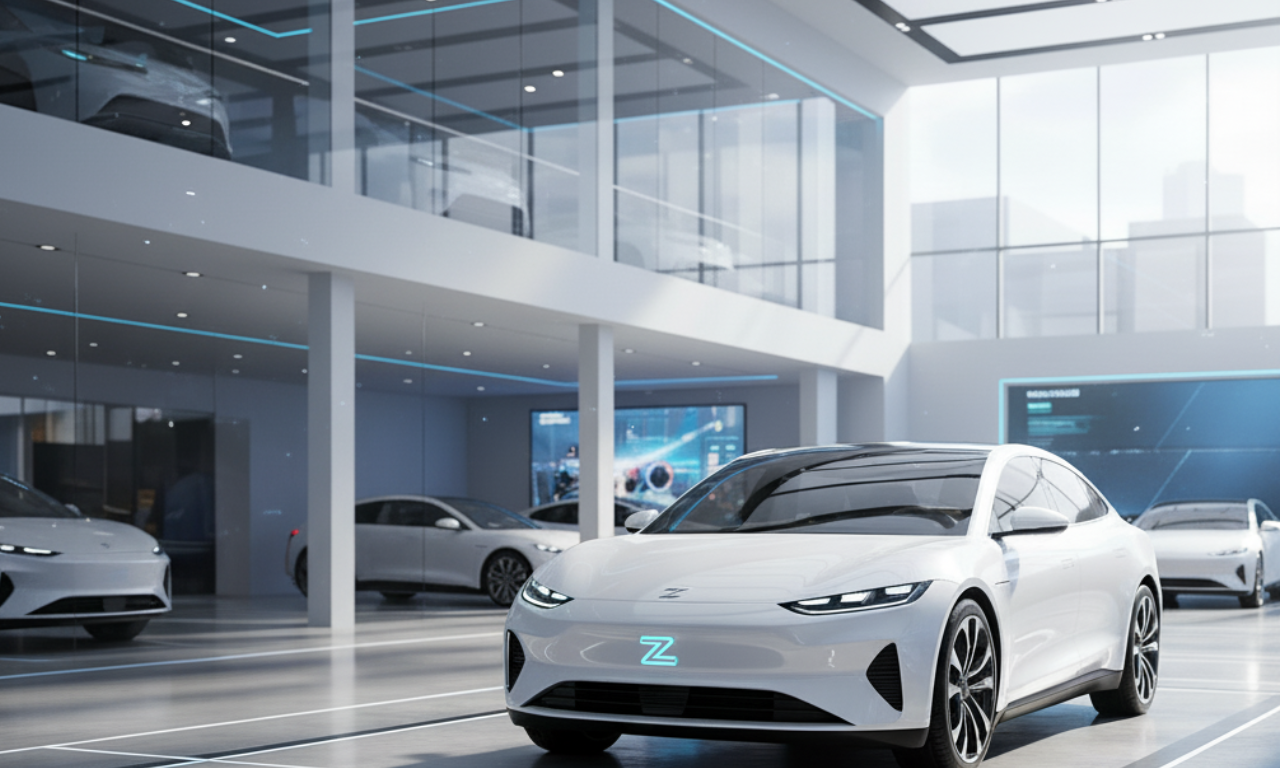
The electric vehicle (EV) industry is rapidly gaining momentum, driven by global sustainability efforts and consumer demand for cleaner alternatives to traditional internal combustion engine (ICE) vehicles. As EV adoption accelerates, however, financing remains one of the most significant barriers for many potential buyers. EVs typically come with a higher upfront cost, and the uncertainty surrounding battery life, resale value, and limited credit histories in some markets makes securing loans difficult.
Understanding Captive Finance
Captive finance refers to a financial subsidiary owned by an OEM, which provides loans, leases, and other financial products to customers. Unlike traditional third-party lenders such as banks or non-banking financial companies (NBFCs), captive finance arms are directly aligned with the OEM’s sales objectives, allowing them to create customized financing options that benefit both consumers and the manufacturer.
For EVs, captive finance offers a unique opportunity to address the specific challenges of EV ownership, such as high upfront costs, limited credit histories, and the residual value of batteries. OEMs can tailor loan terms, offer lower interest rates, and speed up the loan approval process - features that are particularly valuable in a market where speed and flexibility are key drivers of sales.
While traditional financing models often involve slow approval processes and generic loan terms, captive finance arms enable OEMs to offer quick, paperless approvals and finance packages that directly address the barriers to EV adoption. This flexibility is critical in accelerating the transition to electric mobility, particularly in markets like India, where EVs are still emerging as a viable alternative to conventional vehicles.
How Captive Finance Supports EV Adoption
One of the major hurdles to EV adoption is the higher upfront cost of these vehicles compared to traditional ICE cars. While the total cost of ownership over time is often lower for EVs, the initial price tag, combined with limited financing options, deters many potential buyers.
Captive finance solves this problem by offering flexible and affordable financing solutions. Here's how:
1. Lower Financing Costs: Captive finance arms typically offer lower interest rates than traditional banks or lenders, making EVs more affordable for consumers. This is especially important in emerging markets like India, where many customers lack extensive credit histories.
2. Faster Loan Approvals: Traditional lenders can take days to approve a loan, which adds friction to the buying process. Captive finance companies, on the other hand, can approve loans in as little as one day, streamlining the purchase process and enhancing customer satisfaction.
3. Tailored Loan Terms: OEMs can design financing products that align with the unique characteristics of EVs. For example, lower down payments or deferred payments until after the vehicle’s battery life reaches a certain point can help ease the financial burden on customers.
4. Specialized Financing for Battery Leasing: Some OEMs offer financing options that include battery leasing or subscription-based models. This approach reduces the upfront cost of the EV, which can be a significant hurdle for potential buyers.
5. Increased Dealer Liquidity: Captive finance arms can provide wholesale financing to dealers, ensuring they have the necessary capital to stock the latest EV models. This reduces stock-to-sale cycles, ensuring that customers always have access to the newest EVs.
Through these advantages, captive finance arms help OEMs overcome the barriers to EV adoption, allowing them to offer more attractive and flexible financing options that make EVs more accessible to a broader range of consumers.
Strategic Benefits for OEMs
While captive finance primarily benefits consumers, it also provides significant strategic advantages to OEMs. Here’s how:
1. End-to-End Control of the Customer Journey: By controlling the financing process, OEMs can create a seamless, unified customer experience. From loan application to vehicle purchase and beyond, captive finance allows OEMs to manage the entire customer lifecycle, enhancing customer loyalty and satisfaction.
2. Better Risk Management: Captive finance allows OEMs to use data-driven approaches to assess risk. By analyzing factors such as vehicle telemetry, payment behavior, and credit history, OEMs can offer more personalized and accurate loan terms, reducing the risk of defaults.
3. Increased Profitability: Captive finance arms serve as significant profit centers for OEMs. They generate revenue through interest rates, fees, and other financial products, providing OEMs with a steady stream of income. Captive finance can contribute as much as 10–20% of an OEM’s total revenue, providing a stable and recurring revenue source that offsets the cyclical nature of vehicle sales.
4. Improved Dealer Support: By financing dealer inventories, captive finance ensures that dealers have the capital needed to maintain a steady supply of EVs. This improves dealer liquidity, strengthens relationships, and helps dealers move inventory more quickly.
5. Competitive Advantage: In a crowded and competitive market, offering captive finance can give OEMs an edge over rivals. OEMs that provide flexible, tailored financing options can attract more customers, enhance brand loyalty, and improve market share.
Global Case Studies: Tata Motors Finance and Beyond
One of the most successful examples of captive finance in the EV industry is Tata Motors Finance (TMFL). As India’s leading EV manufacturer, Tata Motors has integrated its captive finance arm into the sales process for its electric vehicles, such as the Nexon EV and Tiago EV.
TMFL has played a pivotal role in reducing the barriers to EV adoption by offering low-interest loans, flexible repayment options, and tailored financing products designed specifically for EV buyers. The company’s captive finance arm has reduced dealer stock-to-sale cycles by 80%, improving dealer profitability and customer satisfaction.
Globally, several other OEMs have embraced captive finance to accelerate EV sales. Ford Credit, GM Financial, and Tesla Financing are all examples of how captive finance is becoming integral to an OEM's strategy for EV adoption. These companies have designed financing models that support the unique needs of EV buyers, including lower down payments, deferred payments, and battery leasing options.
For instance, GM Financial has been instrumental in supporting GM’s EV sales by offering competitive financing options for customers and dealers. This approach has enabled GM to drive EV adoption in markets such as the U.S., where incentives like the Clean Vehicle Credit play a crucial role in making EVs more affordable.
Conclusion
The rise of captive finance is transforming the EV industry, helping OEMs address the key barriers to EV adoption. By offering flexible, affordable financing options, OEMs can make EVs more accessible to a wider range of customers, while also improving profitability and brand loyalty. As the market for electric vehicles continues to grow, captive finance will play an increasingly important role in driving both consumer adoption and OEM success.
At GrowthJockey, we believe India’s EV story will only reach full maturity when financial innovation catches up with technological progress. As venture architects, we help enterprises bridge that gap designing and scaling digital-first ecosystems that drive both adoption and profitability.
Our venture tools, including Intellsys.ai and Ottoscholar, enable organizations to turn insights into action transforming finance, data, and experience into one connected growth engine.
FAQs
Q1. What is captive finance in the automotive industry?
Ans. Captive finance is when an OEM directly offers loans, leases, and financial products to simplify purchases and boost customer loyalty.
Q2. How does captive finance benefit EV adoption?
Ans. By offering tailored financing solutions, OEMs can make electric vehicles more affordable, reduce barriers to entry, and accelerate the transition to sustainable mobility.
Q3. What are the key advantages of OEMs controlling their financing?
Ans. OEMs gain greater control over the customer experience, improve risk management, enhance profitability, and foster stronger customer relationships.
Q4. Can captive finance models be implemented in emerging markets like India?
Ans. With proper infrastructure and partnerships, captive finance can thrive in emerging markets, boosting EV adoption and sustainable growth.









Industries
Growth
Operations
Technology