
Energy Efficiency Is Redefining Consumer Choice
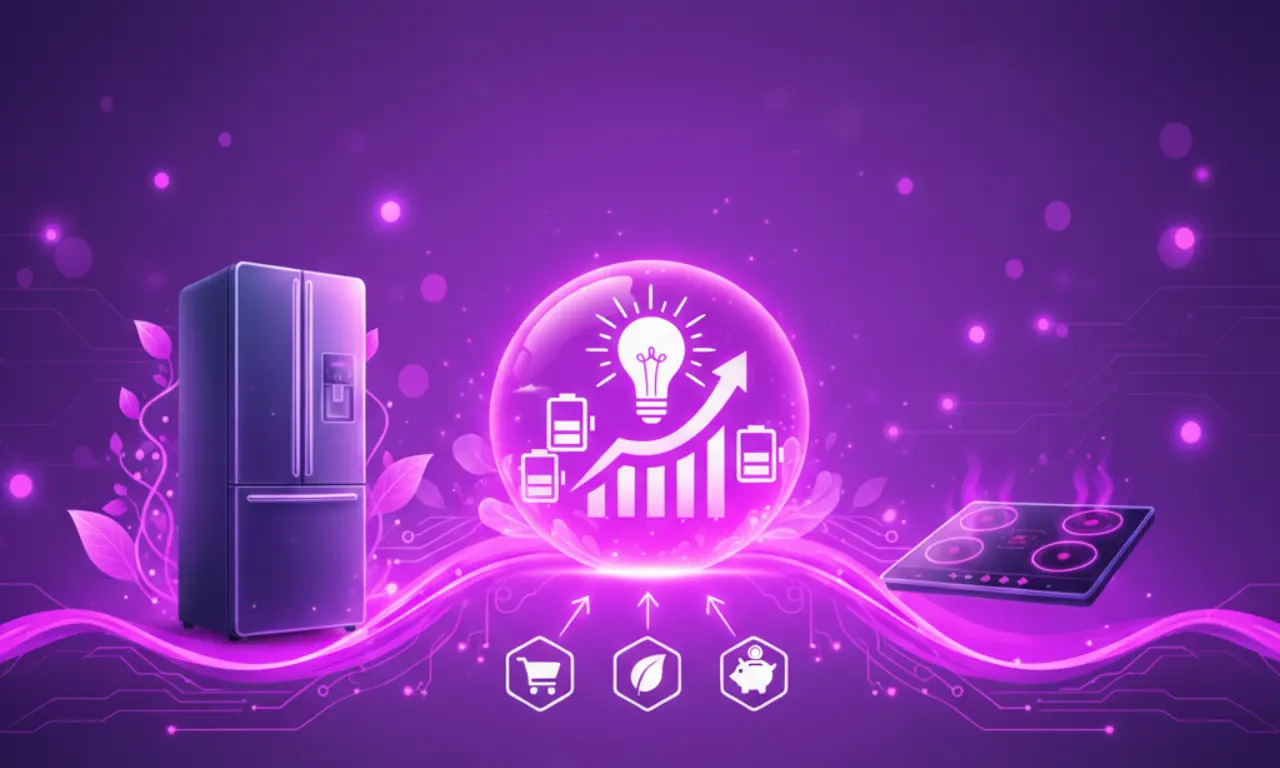
The electrical industry in India is undergoing a quiet revolution one defined not by speed, but by efficiency and sustainability. As urban households and commercial buyers become more aware of their environmental impact, the demand for energy star appliances and efficient electrical equipment has skyrocketed. This isn’t just a passing trend; it’s a reflection of a new value system where long-term energy savings outweigh short-term cost considerations.
With policy support, consumer education, and rising energy costs, buyers are now prioritizing power consumption reduction over raw performance. The result is a market realignment where brands that once competed on wattage or price now compete on energy rating certification, eco-material usage, and lifetime efficiency. The new age of electricals is defined by informed, responsible consumers and the manufacturers who adapt fastest are the ones setting the benchmark.
The Energy Star Evolution: Redefining Efficiency Standards
The Energy Star certification has evolved from a label into a trust symbol for quality and long-term value. In India, the Bureau of Energy Efficiency (BEE) plays a critical role in defining energy performance norms that manufacturers must meet. Yet, today’s market demands more than mere compliance, it demands innovation and measurable results. Consumers interpret these certifications not only as proof of lower energy bills but also as evidence of superior engineering and design.
Manufacturers are embedding energy optimization technologies into everyday devices, from inverter-driven ceiling fans and BLDC motors to efficient electrical equipment such as smart transformers, LED drivers, and motion-sensor lighting systems. These appliances are built to perform better while consuming less, reducing both environmental impact and long-term costs for users.
Simultaneously, material innovation appliances have pushed efficiency to the next level. Improved insulation materials, low-resistance metals, and recyclable composites help reduce heat loss and prolong product life. For example, the shift toward powder-coated aluminum in fans and eco-foam insulation in refrigerators minimizes energy drag and boosts cooling retention, achieving greater power consumption reduction across product lifecycles.
The energy rating certification has also become a key marketing differentiator. A 5-star BEE or Energy Star label now symbolizes not just compliance, but commitment to sustainability. Brands that position these certifications as part of their storytelling, emphasizing long-term savings and environmental impact are earning both customer trust and loyalty.
Material Innovation: The Silent Enabler of Efficiency
Behind every energy-efficient device lies a quiet revolution in materials science. Engineers are rethinking how appliances are built, moving toward lightweight, recyclable, and thermally stable materials that boost performance and durability. From high-efficiency polymers to low-friction coatings, these innovations make modern appliances smarter, lighter, and longer-lasting.
For instance, switching from steel to aluminum die-cast components in ceiling fans reduces drag and optimizes airflow while consuming less energy. Similarly, phase-change materials in refrigerators and air conditioners enhance cooling efficiency without overworking compressors. In washing machines, carbon-fiber drums are improving spin performance and cutting power draw significantly.
Even the smallest components from eco-circuit boards to nanotech coatings contribute to power consumption reduction and longevity. Manufacturers are also exploring biodegradable plastics, lead-free solders, and renewable packaging to minimize lifecycle emissions, aligning every stage of production with sustainability goals.
But material innovation is not limited to performance. It plays a key role in aesthetics and branding too. Today’s eco-conscious buyers prefer products that look sustainable minimal, durable, and timeless, creating a visual link between design and responsibility. This design ethos reinforces the appeal of energy star appliances as lifestyle symbols of modern, conscious living.
Consumer Consciousness: Redefining Purchase Motivation
Today’s consumers are more informed than ever. The rise of digital marketplaces, real-time comparison tools, and transparent rating systems has transformed appliance buying into an evidence-based decision. Instead of asking “how powerful is it?”, they now ask “how efficient is it?” or “how much will it save me annually?”.
This behavioral evolution has given rise to what experts call environmental conscious buying where consumers actively seek efficient electrical equipment and base decisions on energy rating certifications, lifecycle efficiency, and brand responsibility.
In Tier-1 cities, tech-savvy buyers routinely compare wattage, standby power consumption, and BEE star ratings before making purchases. In Tier-2 and Tier-3 markets, the shift is equally visible thanks to government-led awareness drives, UJALA programs, and utility rebates. Local retailers are becoming advocates of energy efficiency, explaining power consumption reduction benefits and lifetime cost savings to new consumers.
This trend has redefined how brands communicate value. Earlier, advertising revolved around aesthetics and durability. Today, the focus is on quantified energy savings, carbon footprint reduction, and sustainable design choices. Brands like Havells, LG, and Panasonic India are already embedding interactive savings calculators into their websites, helping buyers visualize real-time energy savings before they purchase.
Technology and Smart Efficiency: The Next Leap
The next frontier in efficiency lies in smart technology integration. IoT-enabled appliances are now capable of auto-regulating performance, tracking usage, and even suggesting optimal operation schedules. Smart thermostats, adaptive lighting systems, and connected home hubs are turning traditional electricals into intelligent energy ecosystems.
Through AI-driven monitoring, appliances can detect inefficiencies, alert users to potential wastage, and optimize power consumption patterns. A smart refrigerator can run its compressor less during low-demand hours; a connected washing machine can schedule cycles during off-peak power times. This not only contributes to power consumption reduction but also extends appliance life and enhances user comfort.
Additionally, predictive maintenance systems are emerging as game changers in both commercial and residential settings. By anticipating faults and optimizing repair schedules, these systems help sustain efficiency over time, ensuring appliances maintain their energy star performance years after purchase.
Business Transformation: Efficiency as a Competitive Edge
For manufacturers and retailers, efficiency has moved from a compliance metric to a business strategy. Companies that invest in sustainable appliance design, energy analytics, and eco-friendly manufacturing are gaining significant competitive advantage. Efficiency isn’t just about saving energy anymore, it’s about enhancing brand equity and securing policy-linked incentives.
Forward-thinking companies are embedding lifecycle energy management tools within their products. For example, air conditioners that display real-time energy usage encourage responsible consumption while differentiating the brand through transparency. Others are leveraging green marketing to communicate measurable efficiency gains.
Circular economy models are gaining traction too. Through buyback programs, component recycling, and refurbishing initiatives, manufacturers are minimizing waste while maximizing resource reuse. This holistic approach reinforces their image as sustainability champions and creates a self-sustaining ecosystem of conscious production and consumption.
The Policy Push: Building India’s Efficient Future
Government initiatives such as the National Mission for Enhanced Energy Efficiency (NMEEE), Perform, Achieve and Trade (PAT) scheme, and UJALA program have become instrumental in driving India’s transition toward efficiency-led growth. These programs set uniform energy rating certification standards, encourage energy star compliance, and provide incentives for efficient electrical equipment production.
In addition, several state governments now offer tax rebates and financing options for energy-efficient appliances, encouraging widespread adoption. Green building codes and smart city mandates are making the inclusion of energy star appliances mandatory in new housing and commercial projects. This alignment of policy, production, and purchasing ensures that sustainability is no longer optional, it’s foundational.
Corporate procurement policies are also evolving. Major institutions now include energy performance parameters in tenders, rewarding vendors who meet or exceed national efficiency standards. As a result, even small and mid-sized manufacturers are upgrading their technologies to remain competitive in this fast-evolving ecosystem.
Conclusion
The rise of energy-efficient appliances marks a fundamental shift in how consumers perceive value in the electricals sector. The focus has shifted from raw performance and pricing to responsibility, efficiency, and innovation. As energy star appliances, material innovation appliances, and energy rating certifications become mainstream, they are not only reshaping consumer choices but also driving a more sustainable and future-ready industry.
Brands that embrace this transformation, blending performance with conscience will define the next decade of India’s consumer durables growth.
At GrowthJockey, we help consumer durables and electrical brands accelerate their energy-efficient appliances journey. Our expertise in digital transformation for electricals and market intelligence enables manufacturers to build purpose-led, high-performing ecosystems. Using data-driven insights, we help brands embed energy-efficiency across design, production, and go-to-market strategies, creating appliances that are efficient and sustainable.
FAQs
1. What qualifies an appliance as energy-efficient?
Ans. Appliances that deliver optimal performance using less power are classified as energy-efficient. They typically carry high energy rating certifications such as BEE 5-star or Energy Star, ensuring measurable power savings.
2. How does energy efficiency impact long-term savings?
Ans. While energy-efficient appliances may cost more upfront, their lower power consumption drastically reduces electricity bills and offers a high lifetime return on investment.
3. What role does material innovation play in efficiency?
Ans. Material innovation appliances use advanced components that improve insulation, reduce energy loss, and extend operational lifespan, all key factors in power consumption reduction.
4. How are consumers influencing appliance design?
Ans. Modern buyers demand eco-friendly electrical products with transparent efficiency data. Their focus on environmental conscious buying is forcing brands to innovate responsibly.
5. How can manufacturers prepare for future efficiency norms?
Ans. By investing in efficient electrical equipment, sustainable R&D, and energy star compliance systems, manufacturers can future-proof their operations and remain policy-ready.







Industries
Growth
Operations
Technology