
Why EV Loan Applicants Drop Off: Digital Pain Points
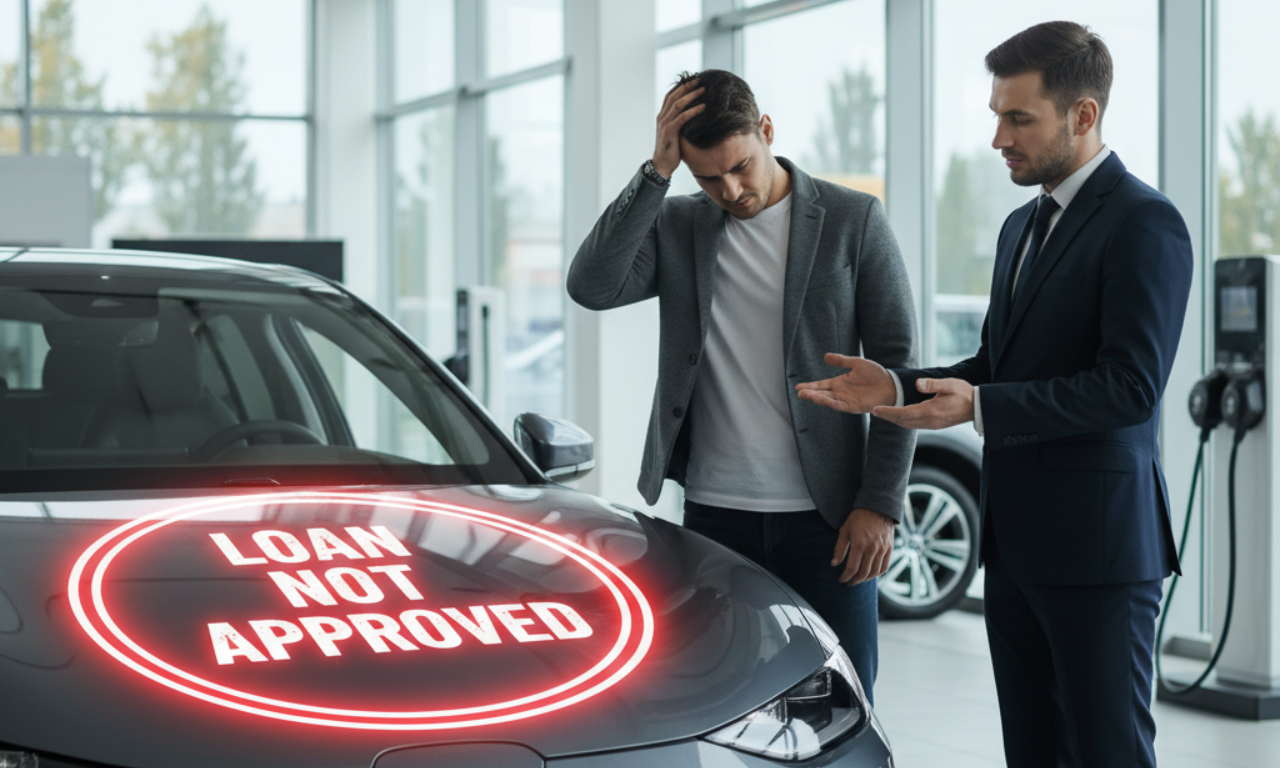
The adoption of electric vehicles (EVs) is accelerating worldwide, yet one persistent bottleneck remains: retail financing. Despite evidence that EVs are lower-risk assets-U.S. Federal Reserve data shows EV borrowers default 29% less than traditional ICE borrowers and pay about 2.2 percentage points lower interest-digital EV loan applications experience surprisingly high abandonment rates. Studies indicate over 70% of applicants quit when asked to upload bank statements, and a further 63% drop off due to cumbersome application flows. Understanding why potential buyers abandon their digital loan journey is essential for lenders, OEMs, and policymakers aiming to scale EV adoption.
Understanding the Digital Drop-Off in EV Loan Applications
The journey from clicking “Apply” to receiving loan approval should be seamless. Yet, several systemic pain points disrupt the flow. Lengthy applications requiring multiple documents, complex KYC procedures, and unclear loan terms often overwhelm prospective borrowers. Many applicants simply do not have clean digital copies of bank statements or are unfamiliar with uploading scanned documents. Similarly, repeated OTP verifications, slow identity checks, and session timeouts frustrate users, particularly in regions with inconsistent mobile connectivity.
Beyond procedural hurdles, perceived risk factors influence dropout. Many borrowers worry about battery degradation, uncertain resale value, or insufficient charging infrastructure. The mismatch between loan tenors and the lifecycle of EV technology-often shorter than conventional ICE loans-adds to hesitancy. A 3-year typical EV loan may feel misaligned with consumers’ understanding of battery lifespan and future resale potential, leaving applicants uncertain whether the loan is worthwhile.
Fintech Innovations Mitigating Drop-Off
Innovative fintech solutions are increasingly helping lenders tackle these challenges. Platforms leveraging Account Aggregator (AA) APIs allow applicants to securely share bank transaction data without manual uploads, reducing drop-off from nearly 70% to under 10%. Similarly, conversational interfaces-loan applications via WhatsApp or chatbots enhance engagement and provide real-time guidance, resulting in 1.5× higher completion rates. Pre-filled forms, automated income verification, and instant Aadhaar-based e-KYC reduce friction, accelerating the onboarding process.
AI-driven credit scoring represents another game-changer. By analyzing alternative data-transaction history, telematics, and battery usage-lenders can personalize loan eligibility and interest rates, making the digital financing journey faster, simpler, and less intimidating. These innovations illustrate how technology can reshape EV financing, making it more consumer-friendly and reducing unnecessary drop-offs.
Behavioral and Perceptual Drivers of Abandonment
While technical friction explains much of the drop-off, consumer psychology plays a crucial role. Potential borrowers often perceive EVs as uncertain investments. Battery packs, constituting 30-40% of vehicle cost, are central to these concerns. Consumers worry about rapid degradation or technological obsolescence, fearing diminished resale value. Sparse or uneven charging networks amplify range anxiety, particularly in semi-urban and rural areas. Ambiguous insurance policies, including separate pricing for batteries or unfamiliar coverage norms, further elevate perceived financial risk.
These concerns combine with application friction to create a vicious cycle: even when EV loans could be safely priced lower, borrowers hesitate, abandon applications, or opt for alternative financing modes such as leasing or battery subscription plans. The net result is a significant loss of potential EV buyers, delaying broader adoption.
Aligning Loan Products with Consumer Expectations
Part of the solution lies in designing EV loan products that match user expectations. Shorter tenors aligned with battery life, clear communication of monthly payments, and transparent disclosures on residual value and warranty coverage can reduce uncertainty. For example, urban two-wheeler buyers in India increasingly adopt Battery-as-a-Service (BaaS) models, paying a monthly fee for the battery while financing the scooter. Fintech lenders who integrate such usage-based or subscription-inclusive financing options create a more frictionless digital journey, improving conversion rates and satisfaction.
Practical Steps to Reduce Digital Drop-Off
To enhance the EV loan application experience, stakeholders must focus on multiple fronts:
1. Streamline documentation: Use AA-enabled platforms, e-signatures, and automated document verification to minimize manual uploads.
2. Simplify KYC: Leverage instant Aadhaar e-KYC or biometric verification to reduce session timeouts and repeated OTPs.
3. Optimize digital flows: Mobile-first designs, low-bandwidth adaptability, and real-time status tracking keep applicants engaged.
4. Educate consumers: Clearly communicate loan terms, battery warranty, expected depreciation, and charging infrastructure availability.
5. Innovate with AI scoring: Incorporate telematics, battery usage, and transaction data to personalize offers and mitigate perceived risk.
These strategies, implemented effectively, can reduce abandonment and transform the digital EV financing landscape.
Implications for Stakeholders
OEMs & Captive Finance Units must integrate battery and technology-aligned tenors into their loan products, provide residual value estimates, and educate buyers about total cost of ownership. Co-branded digital loan platforms can enhance trust and make the process more engaging.
Banks & Fintech Lenders need to leverage technology aggressively. Tools like AA APIs, AI scoring, and chat-based onboarding not only simplify the process but also personalize experiences. Flexible loan products, including short-term EMIs and subscription-based financing, reduce friction and align with consumer expectations.
Policymakers play a critical role by supporting digital finance frameworks, standardizing battery certification, and promoting transparent insurance and resale norms. Such regulatory guidance enhances lender confidence and consumer trust, directly impacting completion rates in digital EV loan journeys.
Conclusion
High abandonment rates in digital EV loan applications highlight the combined impact of procedural friction, consumer perception, and product misalignment. Complex documentation, slow KYC, unclear loan tenors, and infrastructure uncertainties all drive potential borrowers away. Addressing these challenges requires a multi-pronged approach: streamlined digital onboarding, fintech innovations like Account Aggregator APIs and AI scoring, mobile-optimized application flows, and transparent communication on battery and resale risks.
Stakeholders who invest in reducing friction and educating consumers will see higher loan conversion rates, smoother adoption of EVs, and long-term growth in digital EV finance. Ultimately, creating a frictionless and engaging digital loan journey is critical for scaling EV adoption and accelerating the transition to sustainable mobility.
FAQs
Q1.Why are EV loan applications abandoned?
Ans. Users quit due to long applications, repeated OTPs, and unclear loan tenors. High perceived battery and resale risks also discourage completion.
Q2.Can digital tools reduce drop-offs?
Ans. Account Aggregator APIs, chatbots, and AI scoring simplify onboarding and reduce friction. Pre-filled forms and instant Aadhaar e-KYC increase completion rates significantly.
Q3. Do customers worry about battery or resale?
Ans. Yes, battery degradation and uncertain resale value are top concerns. Sparse charging infrastructure adds to range anxiety, particularly in semi-urban areas.
Q4.Which features align loans with consumer expectations?.
Ans. Shorter tenors, transparent payment breakdowns, and BaaS models reduce uncertainty. Usage-based EMIs or subscription plans also improve affordability and adoption.









Industries
Growth
Operations
Technology