
Inside the Festive Mind | Psychology of India’s Repainting Season
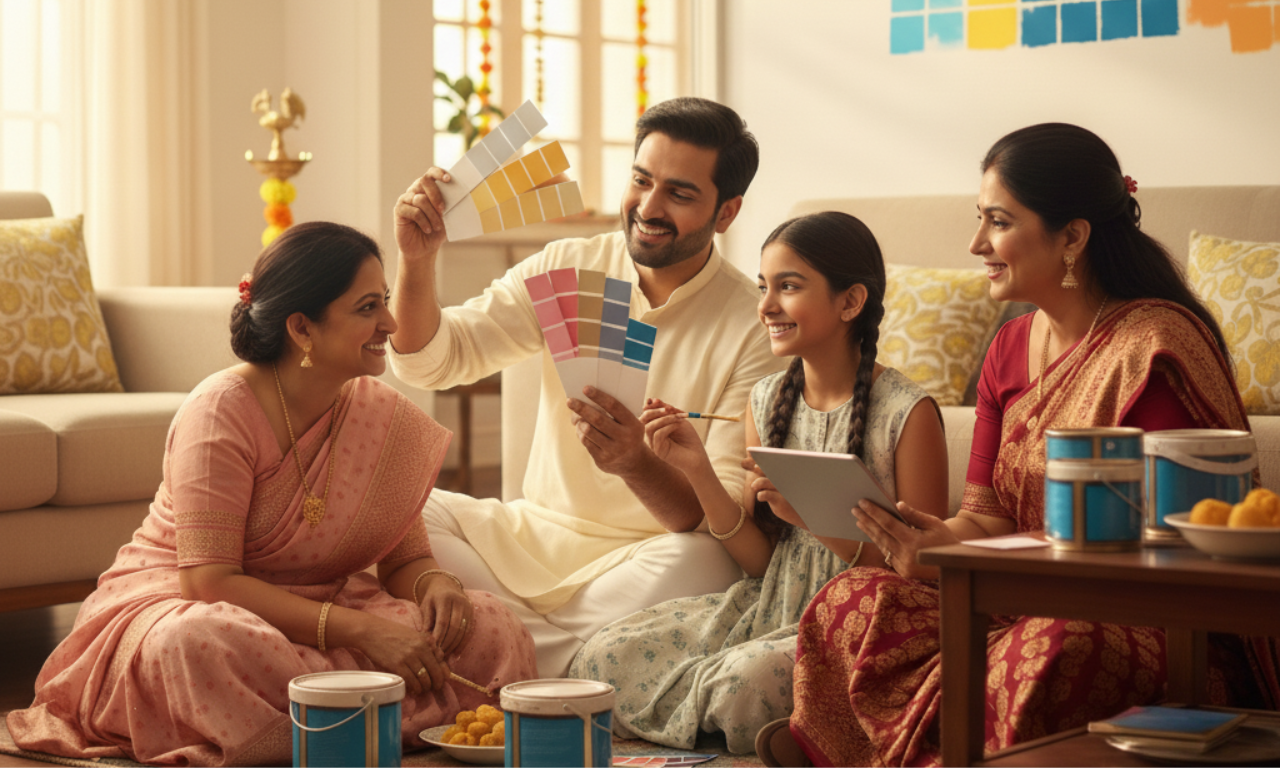
For most Indian families, repainting the home before a festival isn’t a maintenance task—it’s a ritual of renewal. Fresh colour symbolizes prosperity, invites positivity, and communicates pride to visitors.
Unlike furniture or electronics, paint touches emotion and identity. A home with bright new walls becomes a public declaration of progress. During the festive quarter, this emotional transformation fuels up to 50 percent of annual paint sales, making psychology—not price—the real purchase trigger.
Timing Drivers: How Weather, Bonuses & Rituals Align
Three cycles converge to create the perfect storm of readiness.
Cultural: festivals such as Durga Puja, Diwali, Onam, and Pongal mark “auspicious beginnings.”
Climatic: post-monsoon dryness makes repainting practical.
Financial: annual appraisals and bonuses free spending power.
When these align, repainting feels both timely and deserved- a reward that enhances social standing. Brands that anticipate these peaks rather than react to them secure higher share of voice and mind.
The Festive Purchase Journey — From Idea to Action
Repainting decisions rarely start in stores. They begin with subtle emotional cues: faded corners, neighbours’ new façades, or digital décor inspiration. Family discussions follow, and painters become trusted advisors who translate aspiration into action.
By the time a consumer reaches a dealer, intent is already formed. Marketing’s role, therefore, is to inspire early, not just inform late. Hyper-local campaigns that seed colour ideas or “home makeover” stories weeks before festivals often capture consumers before competitors even advertise.
Three Key Personas of India’s Festive Repainting Market
1. Urban Renovators
Dual-income professionals living in metros view repainting as self-expression. They prefer premium emulsions, designer textures, and digital colour consultations. Convenience and speed matter more than discounts. For them, paint equals lifestyle.
2. Aspirational Upgraders
Middle-class Tier-2 families link painting to upward mobility. They trade up from economy to mid-premium ranges during festivals, often influenced by painter recommendations or EMI offers. This segment converts fastest when guided by trust and tangible value.
3. Small-Town Traditionalists
Joint families in semi-urban India repaint according to community rituals and auspicious calendars. Their choices lean on local painters and vernacular advertising. Here, emotion outweighs aesthetics—paint is part of celebration, not renovation.
How to Influence Each Segment Effectively
Urban Renovators → Digital Precision
Use AI-based shade tools, 3D room previews, and Instagram influencer tie-ups. Promote speed and design versatility.
Aspirational Upgraders → Painter Empowerment
Train painters to pitch premium products confidently. Provide instant payouts and referral rewards. When painters prosper, mid-range conversion rates soar.
Small-Town Traditionalists → Vernacular Connection
Local-language radio, WhatsApp videos, and community sponsorships outperform TV. Messaging around “fresh beginnings” or “ghar ka samaan naya” resonates strongly.
Each audience seeks pride, but through different languages of emotion. Aligning creative tone and channel choice to these motivations ensures resonance across India’s vast socio-cultural map.
At GrowthJockey, we help brands decode behavioural triggers through data-led consumer intelligence. By combining emotional mapping with AI-driven analytics via Intellsys.ai, we transform sentiment into strategy, helping marketing teams predict when, where, and why buyers decide to repaint.
As a Venture Architect, GrowthJockey enables enterprises to design communication systems that speak to emotion as precisely as to metrics because understanding the mind behind the colour is the first step to winning the festive market.
FAQs
Q1. Why is repainting considered essential before festivals in India?
Ans. Repainting symbolizes renewal and prosperity. It’s tied to the belief that a refreshed home welcomes wealth and positivity during auspicious times.
Q2. Which consumer segment drives maximum festive repainting demand?
Ans. Tier-2 middle-class families, Aspirational Upgraders- who shift to mid-premium emulsions and follow painter recommendations.
Q3. How can brands influence repainting intent earlier in the season?
Ans. By creating emotional cues colour trends, décor inspiration, and localised content- weeks before traditional media bursts begin.
Q4. What role do painters play in consumer decision-making?
Ans. Painters act as trusted advisors, influencing over 60 percent of brand choices, especially in semi-urban and rural markets.
Q5. Why should festive marketing focus on emotion more than price?
Ans. Because repainting is a symbolic act, not a transactional one, families buy colour stories, not discounts. Emotional relevance wins recall.








Industries
Growth
Operations
Technology