
How Circular Manufacturing Builds a Zero-Waste Future
India’s consumer durables and electricals sector is entering a new phase one defined not by volume expansion, but by value creation, sustainability, and lifecycle intelligence.
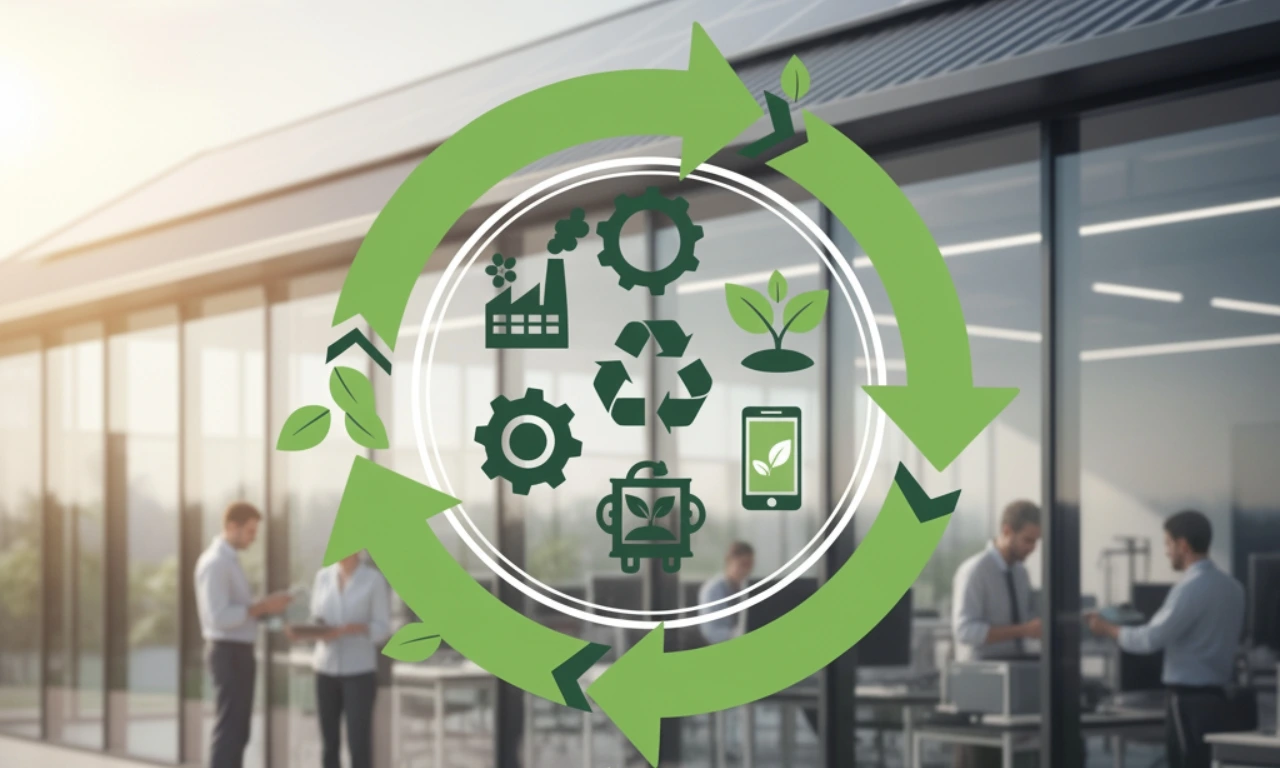
As energy-efficient appliances, smart systems, and eco-friendly materials gain prominence, the next frontier of innovation lies in circular manufacturing, a closed-loop system where products are designed, produced, consumed, recovered, and reintegrated with minimal waste.
Circularity is no longer optional. With LED penetration driven by UJALA, rising retrofits across metros, localization under PLI schemes, and growing consumer preference for sustainable products, the industry is shifting from linear “produce-use-discard” models to regenerative, resource-efficient ecosystems.
Circular manufacturing is powering this transformation helping brands reduce material dependency, increase reuse, enable recyclability, and build green competitiveness for the next decade.
1. Why Circular Manufacturing Matters Now
The sector is experiencing structural shifts that make circularity a necessity:
-
Urbanisation & Retrofit Demand: 76.8% of lighting demand comes from retrofits, creating massive upgrade-driven waste unless circular systems exist.
-
Localisation Pressures: With over 70% local value addition now required in lighting categories, manufacturers must rethink material recovery and reuse.
-
Sustainability as a Growth Lever: Energy-efficient products already growing at 14–15% CAGR require lifecycle management, not just production efficiency.
-
Policy Alignment: BEE standards, smart-city mandates, and municipal energy-saving contracts favour long-life, recyclable, service-driven models.
The shift is clear: Circularity is becoming fundamental to competitiveness, compliance, and customer trust.
2. The Pillars of Circular Manufacturing in Consumer Durables
a. Circular Product Design
Design is the foundation of circularity. Companies are now engineering appliances and electricals with:
- Modular components for easy replacement (motors, drivers, controllers)
- Standardised parts to reduce material diversity and increase recyclability
- Eco-friendly materials, including aluminum die-casts, reclaimed plastics, low-impact insulators
- Design for disassembly, enabling easy dismantling at end-of-life
With over 68% of new LED SKUs featuring thermal/optical innovations, design is central to durability and energy efficiency—and now, to recyclability.
b. Zero-Waste Manufacturing Systems
Advanced manufacturing is rapidly reducing waste across production floors:
- AI + automation to detect defects before material loss
- Digital twins for rapid prototyping without physical waste
- Closed-loop water and energy systems in factories
- Reuse of metal scrap, PCB waste, and packaging within facility lines
Under PLI and localisation incentives, manufacturers are adopting green production practices to reduce dependency on imported raw materials. This pushes the industry naturally toward circular manufacturing.
c. Material Recovery & Recycling Loops
Circularity depends on recovering materials at end-of-life:
-
Aluminum, copper, steel, and plastics from fans, lighting, switchgear, and appliances
-
Rare-earth magnets and electronic components from motors and PCBs
-
Glass, ceramics, and polymers from lamps and heating systems
As India expands wiring and cabling exports (USD 1.71B), recycling recovered materials locally can significantly reduce production costs and import reliance.
d. Reverse Logistics & Take-Back Models
With 44% of new real-estate growth coming from Tier-2/3 cities, the volume of old appliances and electrical waste is rising. Circular manufacturing introduces:
-
Dealer-led take-back programs
-
Consumer buyback schemes
-
Municipal partnerships for e-waste collection
-
Connected CRM systems to track recovered components
The move toward service-led models -AMCs, maintenance networks, predictive servicing—creates natural touchpoints for reverse logistics.
e. Extending Lifecycle Through Repair & Refurbishment
India’s shift from price-led competition to reliability and service makes refurbishment a strategic advantage:
-
Refurbished lighting and electricals for municipal projects
-
Component-level repair hubs in regional clusters
-
Predictive maintenance analytics reducing breakdowns by 25%
The future value pool lies in lifecycle services, not just product sales. Circular manufacturing is the backbone of that evolution.
3. How Circular Manufacturing Reduces Environmental Impact
Reduced Raw Material Extraction
By reusing metals, plastics, and components, brands cut down dependence on virgin materials—improving sustainability and supply-chain stability.
Lower Carbon Footprint
Circular production uses less energy across extraction, refining, manufacturing, and transportation phases—supporting India’s commitments under NMEEE and PAT.
Elimination of Landfill Waste
Take-back programs and recyclability solve a major challenge: large appliances, luminaires, and electrical systems otherwise end up in landfills due to low awareness and infrastructure gaps.
Longer Product Lifecycles
Modular, repairable design ensures products stay in use longer—supporting municipal retrofits, smart-city integrations, and residential upgrades.
4. The Indian Consumer Is Ready for Circular Products
-
Buyers increasingly prefer eco-friendly, long-life, energy-efficient products.
-
Smart lighting demand is projected to jump from USD 792M to USD 8.52B by 2033.
-
Tier-2/3 consumers are switching to LEDs because of lower lifecycle cost—not just initial prices.
-
Brands offering repair, servicing, and take-back policies are gaining trust and retention.
This readiness accelerates circular product adoption and strengthens long-term brand equity.
5. The Road Ahead: Circular Ecosystems in Electricals & Durables
By 2030, India’s electricals sector is expected to surpass USD 25-27B. The next wave of differentiation will come from:
-
Integrated circular supply chains
-
Closed-loop manufacturing parks
-
Recycled-material components in fans, luminaires, wiring
-
Smart lifecycle monitoring through IoT
-
Outcome-based municipal contracts tied to efficiency and longevity
The winners of this decade will be brands that combine circularity + intelligence + localisation as their core strategy.
Conclusion
Circular manufacturing is more than a sustainability trend -it is the foundation of the next decade of growth in India’s consumer durables and electricals industry.
By focusing on regenerative product design, zero-waste production, material recovery, reverse logistics, and lifecycle services, companies can build a resilient, efficient, and planet-positive ecosystem.
In a market driven by urbanization, smart-city investments, efficiency mandates, and conscious consumers, circular manufacturing enables brands to reduce costs, strengthen supply chains, and create long-term competitive advantage. The future belongs to manufacturers who design products not just to sell, but to recover, reuse, repair, and regenerate - building a true zero-waste future.
FAQs
1. What is circular manufacturing?
Circular manufacturing is a closed-loop production model where products are designed for durability, reuse, repair, and recyclability, minimizing waste at every stage of the lifecycle.
2. How does circular manufacturing help consumer durable companies?
It reduces raw material dependency, lowers production cost, strengthens ESG compliance, and builds stronger after-sales revenue streams through repair and refurbishment.
3. What role does design play in circularity?
Circular design ensures products are modular, easy to repair, energy-efficient, and made from recyclable materials—unlocking maximum lifecycle value.
4. Is India ready for circular manufacturing?
Yes. Strong policy support, retrofit demand, localisation pressures, and sustainability-conscious consumers make India an ideal environment for circular ecosystems.
5. How can brands begin implementing circular practices?
Start with modular design, build recycling partnerships, integrate take-back programs, adopt energy-efficient manufacturing, and digitize after-sales service networks.









Industries
Growth
Operations
Technology