
Inside EV market-How OEMs Can Compete with Top Players
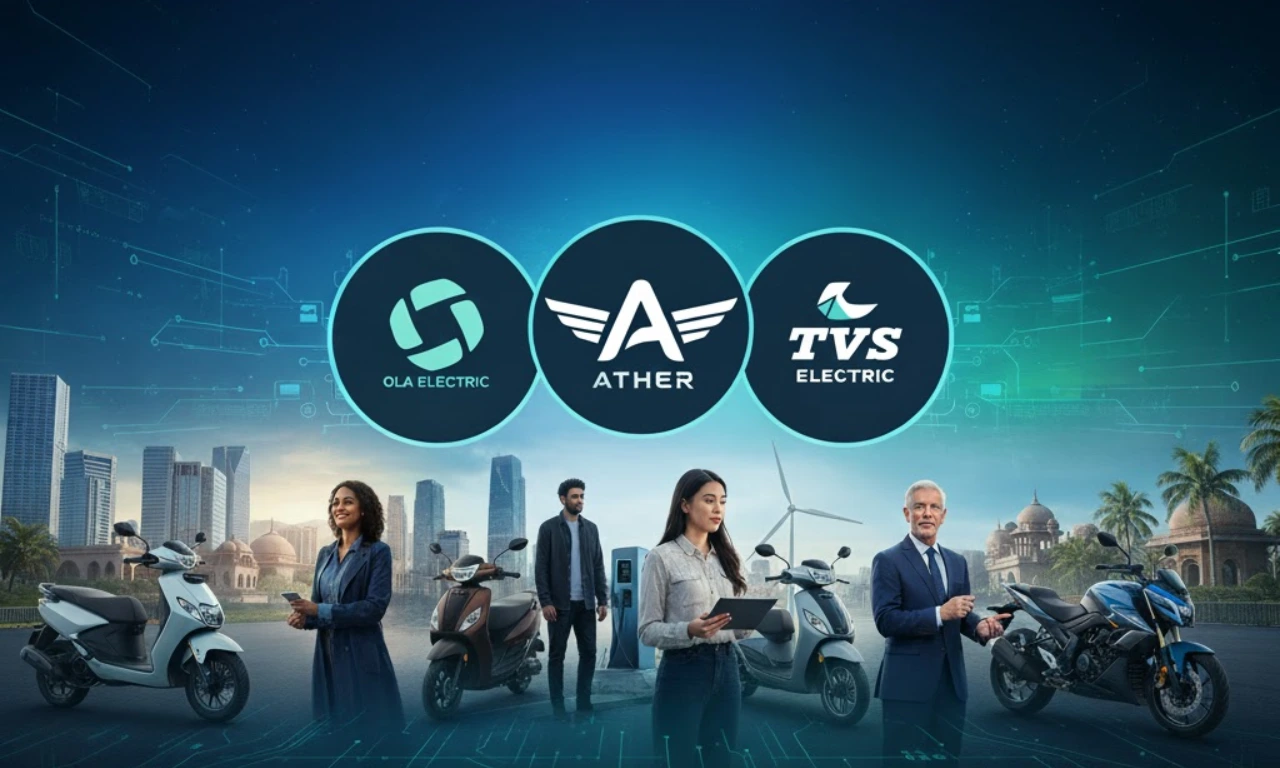
India’s EV industry is entering its defining decade. While demand soars and infrastructure expands, competition is intensifying between legacy OEMs like Tata Motors and Mahindra Electric, and a wave of nimble startups from Bengaluru to Pune.
The question for new entrants is no longer how to launch it’s how to last.
With over 200 registered EV manufacturers in India, only those who master efficiency, design, and digital ecosystems will survive the shakeout.
In this new phase, scale matters but strategy matters more.
The Competitive Landscape: From Early Hype to Mature Play
In the early years of the electric vehicle market, success was measured by first-mover advantage and media visibility.
Today, it’s measured by cost optimization, reliability, and retention.
Top players like Tata Motors, Ola Electric, and Ather have established a playbook around three pillars:
-
Vertical integration (control over battery, software, and assembly)
-
Service readiness (dense networks and warranty confidence)
-
Brand trust (consistency and communication)
For emerging OEMs, winning the next phase means identifying where the incumbents are slow and designing faster, more adaptive operating models.
1. Compete on Agility, Not Just Assets
Large OEMs move with scale, but scale slows them down.
New EV players can win by building modular, flexible operations that adapt to market signals faster.
This means:
-
Micro-factory setups instead of massive plants.
-
Contract manufacturing to manage capex and cash flow.
-
Agile product development cycles powered by real-time customer feedback.
In the future of mobility, agility beats legacy.
Speed to iterate not just speed to market is the new competitive moat.
2. Design Differentiation Is the New Branding
EV buyers don’t just purchase transport they buy identity.
New OEMs can compete by creating distinct design languages and customer experiences that emotionally resonate.
Ather’s minimalist UX, Ola’s futuristic scooter silhouettes, and Ultraviolette’s performance aesthetics all prove that form plus functionality can define market share.
Emerging OEMs should treat design not as cost, but as marketing—every detail signals value, aspiration, and reliability.
3. Build the Experience Layer Around the Vehicle
Legacy automakers often think of ownership as an end point.
Next-gen OEMs must see it as the beginning.
Post-sale experience apps, service convenience, and energy engagement is where loyalty is won or lost.
OEMs that invest in digital service layers outperform competitors with similar hardware.
Integrate charging maps, diagnostics, insurance renewals, and referral programs into a single digital ecosystem.
This builds trust loops and data insights that incumbents cannot replicate quickly.
4. Compete Through Intelligence, Not Imitation
Trying to mimic the scale or pricing of top OEMs is a losing game.
Instead, smaller OEMs should invest in intelligence infrastructureAI, data analytics, and automation that optimize every process.
This includes:
-
Predictive demand forecasting to avoid overstock and working capital lock.
-
AI-driven service scheduling for uptime optimization.
-
Customer behavior modeling for personalized engagement.
Data is the great equalizer.
In the new EV efficiency frontier, the smartest OEMs will outperform the biggest ones.
5. Build Ecosystem Partnerships, Not Just Dealerships
OEMs that compete in isolation will eventually collapse under capex pressure.
The future belongs to ecosystem builders companies that collaborate with energy firms, fintechs, fleet operators, and software platforms.
Examples include:
-
Battery-as-a-service partnerships that cut upfront costs.
-
Co-branded charging networks that improve access and uptime.
-
EV financing collaborations that expand affordability.
Partnerships extend capability without bloating cost structures.
In the future of automotive industry, collaboration is competition.
6. Retention Is the New Revenue
As EV adoption scales, customer acquisition costs will rise.
OEMs that master retention economics will lead the next growth phase.
The formula is simple: better aftersales = lower churn = higher profitability.
Every satisfied owner becomes a brand channel through referrals and community advocacy.
EV startups should embed loyalty mechanics points, service credits, and community recognition into their core operating model, not treat them as add-ons.
7. Localize to Lead
The battery may be global, but the customer is local.
OEMs that localize components, design, and service will always enjoy an economic advantage.
Localization drives:
-
Lower cost of goods sold (COGS)
-
Faster maintenance cycles
-
Stronger supplier resilience
It also aligns perfectly with government incentives like PLI (Production Linked Incentive) and FAME-II extensions that reward local manufacturing and R&D.
The New Competitive Equation
Winning against top players isn’t about matching their budget it’s about outthinking their bureaucracy.
Emerging OEMs must combine data agility, design thinking, and ecosystem economics to create competitive differentiation that incumbents can’t buy.
The future won’t belong to the largest players it will belong to the most adaptive.
The GrowthJockey View: Competing Through Venture Architecture
At GrowthJockey, we believe new-age OEMs can outcompete established players by engineering smarter operating models connecting product, marketing, and finance through intelligent design.
Our tools like Intellsys.ai deliver actionable insights across sales, service, and retention, while Ottopilot helps in business operations
We help enterprises and startups alike convert agility into strategy, and data into dominance.
GrowthJockey is a venture architect for enterprises helping OEMs, EV startups, and ecosystem leaders compete effectively through product intelligence, operational design, and data-driven scalability.
We blend analytics, automation, and venture strategy to help new players challenge industry leaders not with size, but with precision.
Our mission: to design growth systems that help emerging OEMs win in the era of intelligent mobility.
FAQs
Q1. How can new EV OEMs compete with established brands?
Ans. By focusing on agility, localized manufacturing, and ecosystem-driven customer experience rather than price wars.
Q2. What are the key success factors for EV startups in India?
Ans. Strong design identity, reliable service networks, AI-enabled operations, and meaningful partnerships with battery and charging firms.
Q3. Can smaller OEMs survive without subsidies?
Ans. Yes, through lean operations, efficient capital management, and recurring revenue models like service, software, and energy.
Q4. What defines the next competitive edge in the EV industry?
Ans. Data and customer experience. The brands that personalize ownership and automate efficiency will outpace legacy leaders.









Industries
Growth
Operations
Technology