
How Renewable Power Fuels Sustainable Home Tech
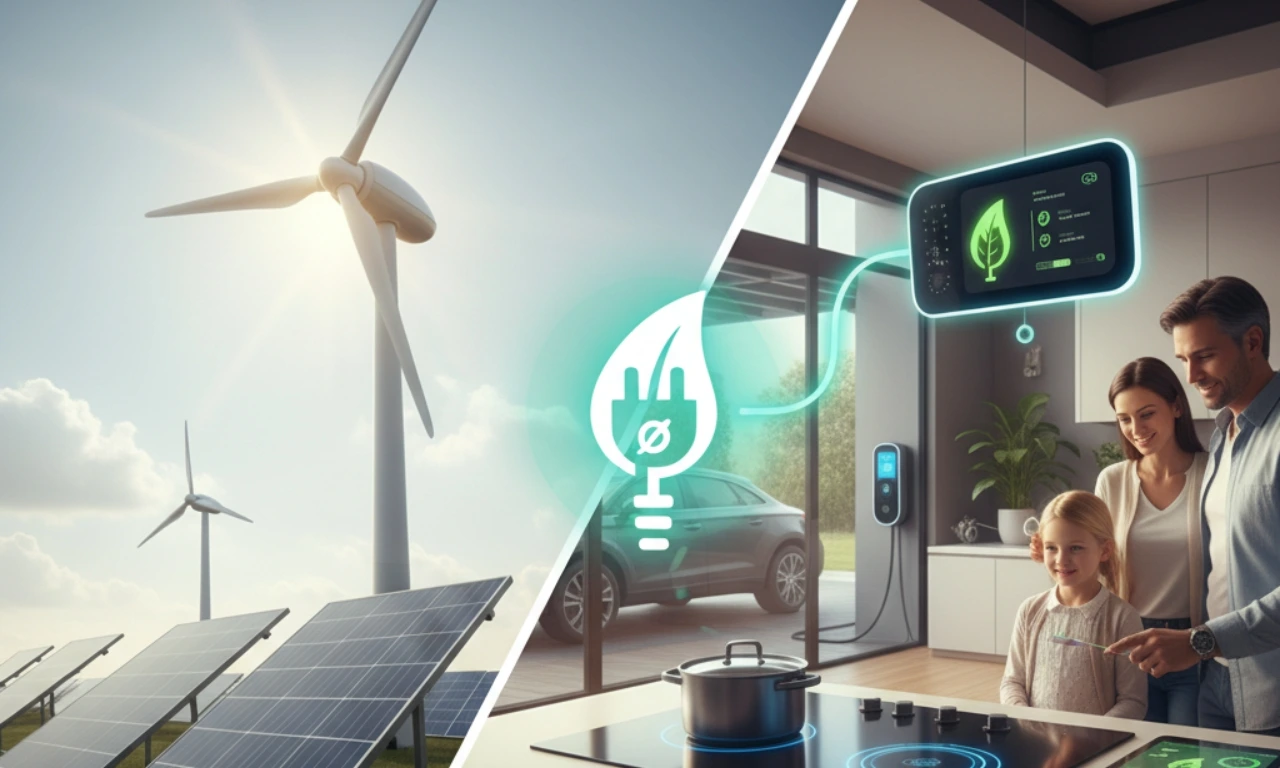
India is at a critical inflection point where energy innovation and home automation are converging to redefine the future of consumer durables.
As smart appliances, connected lighting, and energy-optimized devices become standard, renewable power is emerging as their most powerful enabler.
From rooftop solar powering washing machines to inverter-compatible lighting and smart controls running on clean energy grids, home tech is becoming a hub of sustainability-driven intelligence. This transformation is not just technical - it’s structural, cultural, and inevitable.
Backed by policy support (e.g., Green Energy Open Access Rules), localization efforts (under PLI), and conscious consumers in both metros and Tier-2/3 cities, India’s home technology ecosystem is aligning with renewable energy like never before.
1. Why Renewable Power and Home Tech Are Now Interlinked
India’s residential energy usage is projected to double by 2030, primarily driven by appliance usage and smart home adoption. At the same time, the country aims to meet 50% of its electricity requirements from renewable sources by 2030.
This parallel growth creates a natural synergy between:
-
Rooftop solar and connected appliances
-
Smart energy meters and usage-optimized tech
-
Battery-backed inverters and inverter-compatible home systems
-
Smart lighting that aligns with solar-powered grid patterns
Appliances are no longer isolated units , they are becoming intelligent energy consumers, designed to function optimally with renewable energy sources.
2. Rooftop Solar + Smart Appliances: The Future Power Couple
India’s solar push has seen over 125 GW of installed renewable capacity, with rooftop solar forming a key segment of urban and semi-urban growth.
Smart home devices and energy-efficient appliances are now being engineered to:
-
Run seamlessly on variable solar output
-
Integrate with inverters and storage systems
-
Operate during peak solar hours with load balancing AI
-
Offer scheduling features to optimize usage during sunlight availability
For example, solar-powered water heaters, inverter-compatible refrigerators, and BLDC ceiling fans with ultra-low voltage requirements are fast becoming popular in climate-conscious homes.
3. Energy Monitoring: Making Green Usage Visible
The rise of IoT-enabled, renewable-powered tech is giving consumers granular control over their energy behavior. Smart home platforms now enable:
-
Real-time energy consumption tracking by device
-
Solar input/output visibility on apps and dashboards
-
Usage pattern analysis to recommend optimal times for device operation
-
Predictive energy optimization, especially for washing machines, HVAC systems, and dishwashers
This empowers households to shift toward low-load usage windows, improving compatibility with solar production cycles.
4. Material and Design Innovation for Renewable Synergy
Sustainable home tech isn’t just about renewable power usage - it’s about building devices that are inherently optimized for clean energy environments.
Design and engineering priorities include:
- Low-voltage motors and drivers that perform reliably on solar
- Thermally insulated components to retain performance despite variable loads
- Biodegradable packaging and recyclable parts, aligning with circular energy goals
- Modular, repairable designs that extend lifecycle and reduce power-hungry replacements
Leading brands are now introducing solar-compatible product lines, with BLDC fans, solar-chargeable LED lamps, and energy-star refrigerators that pair with inverters as default.
5. Rural and Tier-2/3 Homes: The Next Green Adoption Wave
While metros lead in smart home tech adoption, Tier-2 and Tier-3 cities are becoming the biggest drivers of renewable-aligned appliances.
-
Over 44% of new real estate growth is now in non-metro cities
-
Government-led rural electrification and solar programs (like Saubhagya) are expanding clean grid access
-
Localized awareness campaigns and affordable solar-plus-appliance bundles are driving adoption
Affordable inverter-LED combos, solar-charged fans, and grid-independent smart switches are proving especially impactful in areas with intermittent supply, enabling energy resilience and cost savings.
6. Government Policies Powering Renewable Home Tech
The policy ecosystem is actively incentivizing the intersection of home tech and renewables:
-
Green Energy Open Access Rules (2022): Encouraging industries and communities to source solar/wind directly
-
PLI for white goods: Pushing local manufacturing of solar-ready appliances
-
Net metering and solar subsidies: Making solar installation cost-effective for middle-income homes
-
Smart city projects: Embedding solar-integrated lighting, sensors, and control systems across 100+ urban zones
Together, these policies create a structural runway for green home technology adoption—one where renewable energy is the fuel and tech is the engine.
7. Business Shift: Appliance Brands Go Solar-First
Leading appliance and electrical brands are now shifting their product R&D to solar-optimized SKUs.
Key shifts include:
-
Bundled solar-inverter-device packages sold through retail and government channels
-
Green branding focused on compatibility with renewable grids
-
Lifecycle energy savings as a core value proposition
-
Strategic partnerships with solar installers and battery manufacturers
Firms that lead in this space gain first-mover advantage - not just in ESG metrics, but in consumer trust and long-term relevance.
Conclusion
As India advances toward a net-zero economy, the convergence of renewable power and smart home tech is no longer aspirational—it’s happening now, and it’s accelerating.
Smart appliances are being designed not just to operate efficiently, but to integrate seamlessly with solar, inverters, and digital meters. Consumer durables are becoming nodes in a distributed clean energy grid—modular, intelligent, and energy-aware.
From metro high-rises to rural rooftops, renewable energy is not only reducing costs and carbon—it’s powering a smarter, more resilient lifestyle.
The future of sustainable home tech will be clean-powered, connected, and conscious—and brands that build for this future today will lead India’s consumer durable revolution tomorrow.
FAQs
1. What is renewable-powered home tech?
It refers to appliances and smart devices designed to operate efficiently on renewable energy sources like solar or wind, often through integration with inverters or battery storage.
2. How does solar energy support home technology?
Solar systems reduce grid dependency, power appliances during daylight hours, and pair with inverters to support 24/7 operations. Many devices now come solar-compatible out of the box.
3. Are renewable-powered appliances more expensive?
While the initial cost can be higher, solar-compatible appliances offer long-term energy savings and can reduce power bills significantly over their lifetime.
4. What government incentives exist for solar and home tech?
Schemes like rooftop solar subsidies, net metering policies, and PLI incentives for solar-ready white goods support both consumers and manufacturers in adopting renewable-powered technologies.
5. Which appliances are most commonly solar-compatible?
BLDC fans, LED lighting, solar-charged lamps, inverter refrigerators, and washing machines with low voltage motors are among the most widely available and effective.








Industries
Growth
Operations
Technology