
How to Build EV Referral Engines: Future of Retention
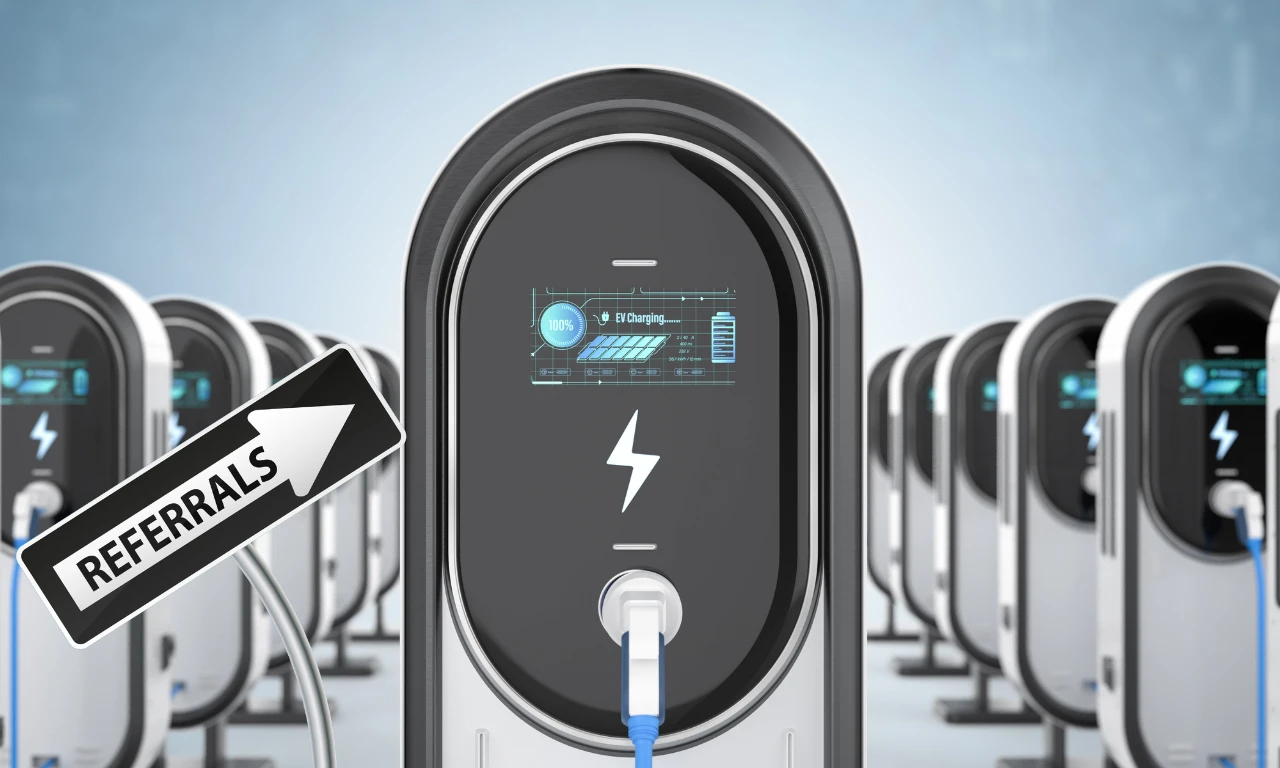
In the future of mobility, advertising budgets don’t create momentum customers do.
Electric vehicle adoption is spreading faster through conversations than campaigns. A friend’s recommendation, a neighbor’s charging experience, or a WhatsApp screenshot of range performance carries more weight than a billboard ever could.
EV customers are digital, vocal, and community-oriented. They share experiences instantly good or bad.
That’s why the next competitive edge for OEMs isn’t media spend, but referral architecture systems that turn satisfied owners into scalable growth engines.
Why Referrals Matter More in the EV Industry
The EV in India movement is still in its early adoption phase.
Buyers are first-time users of new technology, looking for reassurance from real people, not brochures.
Traditional marketing can spark curiosity, but only trust closes the sale and trust lives in communities.
According to GrowthJockey’s 2025 EV Consumer Report:
-
64% of new EV buyers cite friend or peer recommendations as the top purchase driver.
-
Referral-driven leads show 3× higher conversion rates than paid ads.
-
EV owners who refer tend to have 20% higher lifetime value due to stronger brand attachment.
The Psychology Behind EV Referrals
Buying an EV is an identity choice, not just a utility decision.
People see themselves as early adopters, sustainability advocates, or tech enthusiasts.
A well-designed referral program taps into these emotional drivers by rewarding not just transactions but beliefs.
When you reward someone for evangelizing clean mobility, you validate their values and that pride drives recurring advocacy.
That’s why referral programs for EV brands should be designed around community, recognition, and narrative, not just payouts.
Step 1: Make the Experience Referral-Worthy
No referral engine can fix a poor ownership experience.
Before building incentives, ensure that your post-sale ecosystem inspires sharing.
This includes:
-
Smooth charger installation and onboarding
-
Responsive after-sales service
-
Accurate app data on range and battery health
-
Quick customer support resolution
When ownership feels frictionless, advocacy becomes effortless.
Every delight moment is a potential viral moment.
Step 2: Design the Referral Loop (Not Just a Campaign)
Referral systems should operate like self-fueling loops, not short-lived marketing stunts.
An effective EV referral engine typically flows through three layers:
1. Trigger: A positive experience (delivery, first charge, milestone) activates the owner’s emotional connection.
2. Action: OEM nudges the user via WhatsApp or in-app prompt — “Share your invite code with a friend and earn free charging credits.”
3. Reward: Both referrer and referee receive tangible, brand-aligned value (charging points, service discounts, software upgrades).
This loop reinforces the ownership journey, turning every satisfied customer into an acquisition channel.
Step 3: Align Rewards With Purpose
Cash incentives work, but they don’t sustain engagement.
EV customers are driven by environmental purpose and innovation pride.
Instead of generic vouchers, offer rewards that connect back to mobility, energy, and community.
Examples include:
-
Free charging units or renewable energy credits
-
Battery health checks or extended warranty upgrades
-
Access to beta software features or loyalty badges
Purpose-linked incentives strengthen both advocacy and retention.
Step 4: Build Referral Visibility Into the Ecosystem
A referral engine works only if customers see their impact. OEMs can embed referral dashboards within their apps showing number of invites, successful conversions, and points earned.
Gamified progress bars (“You’re one referral away from a free charging month”) create motivation loops.
Transparency builds trust; trust sustains momentum.
Step 5: Integrate Data and Automation
Referral data shouldn’t live in isolation. Integrate it directly into your CRM, DMS, and marketing automation systems to personalize engagement and measure impact.
Imagine this sequence:
-
Referral lead enters CRM → automatically tagged as “peer-sourced.”
-
System triggers personalized journey → test ride booked within 24 hours.
-
Conversion event updates referrer → notification + instant reward credit.
This kind of connected architecture requires collaboration between marketing, product, and IT and is the foundation of scalable referral growth.
Step 6: Use WhatsApp and Communities as Growth Accelerators
Referral invitations perform best on the same platforms where conversations already happen.
WhatsApp automation enables OEMs to deliver personalized referral links, track shares, and trigger milestone rewards instantly.
Community engagement whether through Telegram groups, local EV clubs, or app-based forums turns advocates into micro-influencers.
Each satisfied driver becomes a trusted media channel in their circle.
*
Step 7: Close the Loop With Recognition
The best incentive is acknowledgment. Publicly recognize top referrers on digital dashboards, newsletters, or dealership walls.
A sense of status builds emotional connection — which outlasts transactional loyalty.
Referral engines thrive on human emotion; automation only amplifies it.
Case Insight: The Growth Flywheel in Action
Brands like Ather Energy, Tata Motors EV, and Ola Electric have demonstrated that community advocacy can outscale ad spends.
Ather’s “Refer & Ride” program converts over 20% of its new customers via referrals, fueled by app notifications and exclusive rewards.
Tata’s EV Connect app allows existing owners to share referral links, offering free charging credits for both parties.
Ola’s customer base grew virally in Tier-1 cities through peer referrals before formal campaigns even launched.
These cases underline one truth: EV evangelists grow faster than marketing funnels.
The Future of Referral Engines
As connected car ecosystems evolve, referral programs will move beyond static links to data-driven triggers.
Your EV could soon suggest a referral when it detects a pattern “You’ve completed 10,000 km of emission-free travel! Share your journey and earn loyalty credits.”
AI and agentic automation will make advocacy predictive, not reactive.
This is the next chapter in automotive marketing where ownership itself becomes the advertisement.
GrowthJockey is a venture architect that helps enterprises design growth systems built on data, experience, and scalability.
We create referral and retention architectures for OEMs that connect CRM, apps, and automation into self-sustaining loops of advocacy.
With products like Intellsys.ai for analytics and Ottopilot for enablement, we turn customer satisfaction into compounding growth.
FAQs
Q1. Why are referral programs so effective in the EV industry?
Ans. Because EV adoption is still trust-driven people believe other users more than ads, making referrals a high-conversion growth channel.
Q2. What kind of rewards work best for EV referrals?
Ans. Rewards that link to ownership such as charging credits, service vouchers, or early access to upgrades build stronger emotional value than cash.
Q3. How can automation support referral programs?
Ans. Automation ensures instant acknowledgment, transparent tracking, and seamless integration with CRM and dealer systems.
Q4. How do referral engines improve lifetime value?
Ans. Referral programs not only acquire new users but also deepen engagement with existing owners, increasing retention and advocacy over time.







Industries
Growth
Operations
Technology