
India's Online Home Decor Boom: Market Trends, Drivers, and Opportunities
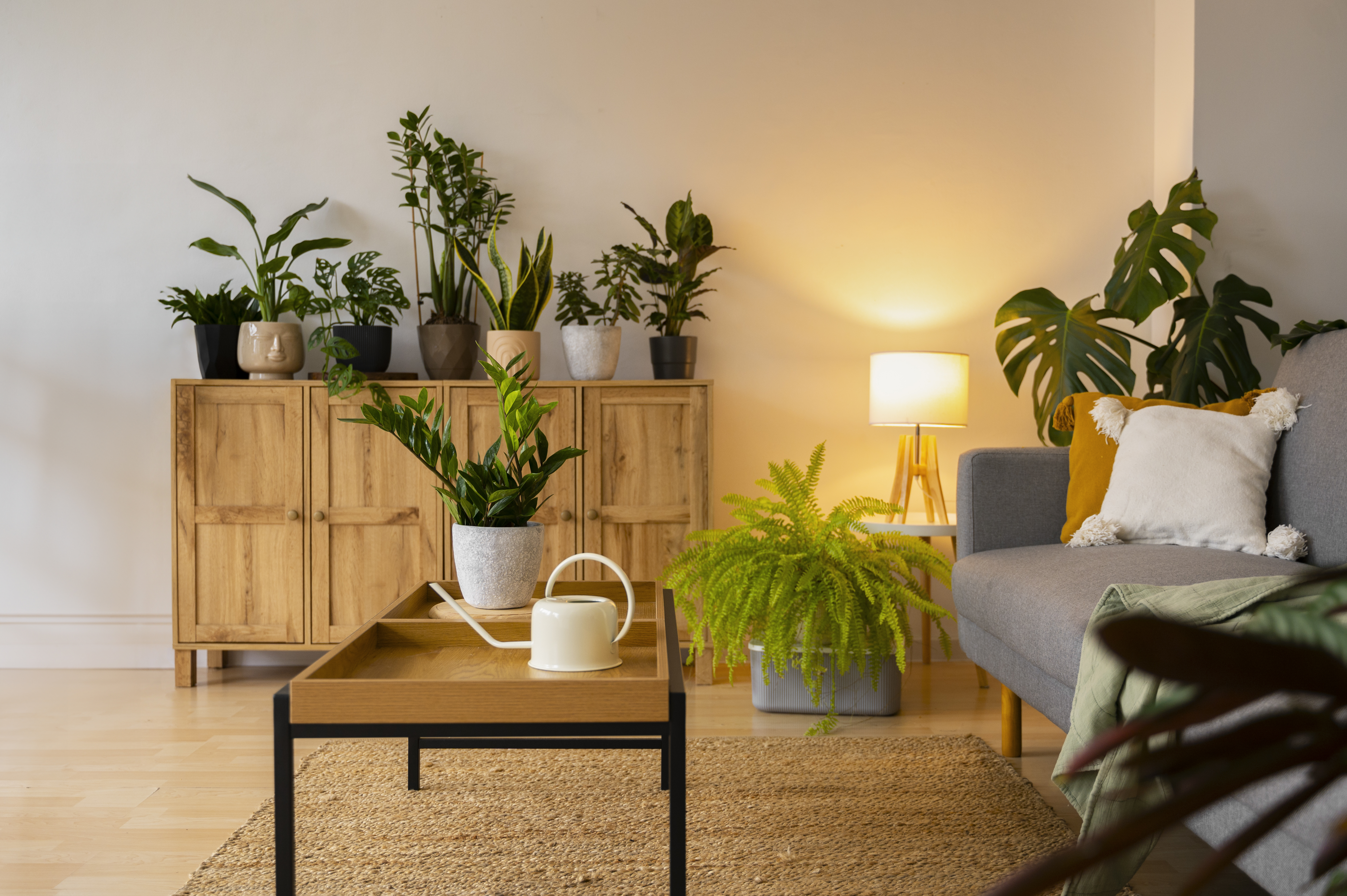
India's online home decor boom is reshaping how consumers discover, evaluate, and purchase products for their homes. What was once a largely offline, fragmented market is now rapidly transitioning into a digitally driven ecosystem powered by ecommerce platforms, D2C brands, and technology-led experiences.
This shift is not just about convenience. It reflects a deeper transformation in consumer mindset, where homes are increasingly seen as expressions of identity, lifestyle, and aspiration.
A Rapidly Expanding Home Decor Market
India's home decor industry has witnessed significant growth over the past decade, driven by rising incomes, urbanisation, and changing lifestyle preferences. Consumers today are no longer spending only on functional furniture - they are investing in aesthetics, ambience, and personalised spaces that reflect their tastes.
Rising Consumer Spending on Lifestyle Upgrades
As disposable incomes grow, Indian households are allocating more budget towards home improvement and decor. Key shifts include:
• From necessity to aspiration: homes are now viewed as lifestyle assets rather than just living spaces
• Increased frequency of upgrades: consumers are refreshing interiors more often instead of making one-time purchases
• Higher willingness to spend on design: premium and designer decor products are seeing increased demand
Growing Design Awareness Among Consumers
Digital platforms like Pinterest and Instagram have played a crucial role in shaping consumer preferences, raising design literacy among buyers who once relied on local stores or generic catalogues. Consumers are now:
• Exploring global design trends and curated aesthetic themes
• Following interior design influencers and content creators
• Seeking cohesive, theme-based decor solutions rather than individual items
This has significantly increased demand for visually appealing and well-coordinated home setups, benefitting digital-first brands that can showcase products in lifestyle contexts.
Urbanisation and Nuclear Families Driving Demand
India's rapid urbanisation is leading to the growth of smaller, nuclear households across Tier 1 and Tier 2 cities - and increasingly in smaller towns as digital infrastructure improves. This has resulted in:
• Higher demand for space-efficient and multifunctional furniture
• Increased need for modular decor suited to compact urban living
• Greater focus on aesthetics in apartments and rented spaces
The sheer scale of India's housing expansion makes home decor one of the most structurally compelling ecommerce categories of the next decade.
Rise of Digital-First Decor Brands
One of the most defining aspects of India's online home decor boom is the emergence of digital-first brands. These brands are bypassing traditional retail channels entirely and building direct relationships with consumers through online platforms - bringing speed, agility, and data-led decision-making that incumbents struggle to match.
Direct-to-Consumer (D2C) Model Advantage
The D2C model allows brands to control the entire customer journey, from discovery to delivery. Benefits include:
• Better margins: elimination of intermediaries reduces cost and improves profitability
• Stronger brand storytelling: direct engagement with customers builds loyalty and recall
• Data-driven decisions: real-time access to consumer insights enables smarter product and marketing choices
Faster Product Innovation Cycles
Unlike traditional players constrained by long supply chains and large inventory commitments, digital-first brands can quickly adapt to changing trends. They achieve this by:
• Launching limited collections based on real-time demand signals
• Testing new designs with smaller inventories before scaling production
• Iterating products continuously based on customer reviews and return data
Wider Geographic Reach Without Physical Stores
Ecommerce enables brands to scale nationally without the capital expenditure of offline retail infrastructure. This allows:
• Direct access to Tier 2 and Tier 3 markets that physical stores rarely serve
• Significantly reduced expansion costs compared to multi-city retail rollouts
• Faster market penetration through digital marketing and marketplace listings
Marketplaces Are Powering Product Discovery
Online marketplaces have become the primary discovery channels for home decor products in India. They offer scale, variety, and consumer trust that traditional retail simply cannot match at the same price points.
Large Ecommerce Platforms Driving Accessibility
Platforms like Amazon, Flipkart, and Pepperfry have made home decor shopping accessible to millions of consumers across geographies. Their strengths include:
• Extensive product catalogues spanning every price point and style
• Competitive pricing driven by seller competition and platform promotions
• Trusted delivery infrastructure and customer-friendly return systems
Easy Product Comparison and Decision-Making
Consumers can compare products across multiple dimensions before making a purchase — a level of transparency that offline retail cannot replicate. This includes:
• Side-by-side price comparisons across dozens of competing products
• Verified customer reviews, ratings, and usage photographs
• Detailed specifications covering dimensions, materials, and finish options
This transparency has significantly improved buyer confidence, particularly for higher-value items like furniture where purchase hesitation is highest.
Expanding Product Variety Online
Unlike offline stores constrained by floor space and local supplier relationships, online platforms can host virtually unlimited catalogues. This enables:
• A vast range of styles - from contemporary minimal to traditional ethnic and global maximalist
• Discovery of niche, artisanal, and handcrafted products that rarely reach physical stores
• Simultaneous access to both mass-market and premium designer segments
Technology Is Transforming Furniture Buying
Technology is playing a critical role in bridging the gap between the offline browsing experience and online convenience. It is helping consumers make more confident purchase decisions - particularly for high-consideration items like furniture, where the inability to see a product in context has historically driven hesitation and returns.
Augmented Reality (AR) Visualisation Tools
AR tools allow users to visualise how a product will look in their own space before placing an order. Impact includes:
• Reduced uncertainty in purchase decisions for large, high-value items
• Lower return rates as customers have greater confidence in fit and scale
• Increased conversion rates, particularly for furniture and large decor pieces
3D Room Planning and Design Tools
Some platforms now offer digital room planners that allow users to design entire spaces before committing to any purchase. These tools help in:
• Visualising furniture layout, spacing, and proportion within actual room dimensions
• Experimenting with different styles, colour palettes, and configurations
• Creating cohesive interior themes that drive higher basket sizes
Virtual Showrooms Replicating Offline Experience
Virtual showrooms provide immersive browsing experiences that replicate the curated feel of physical stores. They enable:
• Guided product discovery through styled room sets and themed collections
• Better product visualisation in context - not just against a white background
• Deeper user engagement and longer time-on-site, which correlates with higher conversion
Logistics Is Unlocking Furniture Ecommerce
Logistics has historically been a major barrier for online furniture sales in India. Heavy, bulky items are expensive to ship, easy to damage in transit, and complicated to install. However, significant improvements in supply chain infrastructure are now enabling large-scale ecommerce growth in the category.
Regional Warehouse Networks
Leading brands are investing in distributed warehousing to dramatically improve delivery timelines and reduce costs. Benefits include:
• Faster delivery across regions, enabling 3–5 day windows rather than 2–3 weeks
• Reduced shipping costs through shorter last-mile distances
• Improved inventory management with region-specific stock planning
Assembly-at-Home Services
To simplify the buying experience for large furniture, many brands now offer professional installation services as part of their delivery proposition. This ensures:
• Hassle-free setup for customers with no specialist tools or knowledge required
• Better product usability and presentation, reducing the likelihood of setup errors or damage
• Higher customer satisfaction scores, driving positive reviews and repeat purchase
Improved Packaging and Returns
Advancements in protective packaging and reverse logistics have reduced the risks associated with shipping large, fragile items. This has led to:
• Lower damage rates during transit, reducing costly replacements and refunds
• Increased consumer trust in online purchases of high-value items
• Higher repeat purchase behaviour as post-purchase experience improves
The Digital Future of Home Decor in India
India's home decor market remains largely unorganised, which presents a massive opportunity for digital disruption. The next phase of growth will be driven by technology, brand innovation, and deeper market penetration - including into the vast non-metro consumer base that is only now coming online.
Growth of Decor Startups Across Categories
New-age startups are emerging across every segment of India's home decor value chain, including:
• Furniture modular, multifunctional, and space-efficient designs for urban homes
• Lighting - both functional and decorative, from smart LEDs to artisan fixtures
• Home textiles - handloom, sustainable, and designer soft furnishings
• Decorative accessories - wall art, ceramics, plants, and curated gifting
These brands are leveraging digital channels to build niche positioning, strong brand identities, and loyal communities that traditional retailers struggle to create.
Technology-Driven Interior Ecosystems
The integration of technology into home decor is expected to accelerate further. Future trends include:
• AI-driven design recommendations personalised to individual taste profiles and room constraints
• Integrated home design platforms that combine shopping, visualisation, and interior design services
• Smart home devices increasingly blurring the line between decor and connected technology
Massive Ecommerce Opportunity Ahead
Despite rapid growth, online penetration in home decor remains low relative to categories like fashion and electronics. This indicates:
• Significant headroom for growth as more consumers shift their decor spending online
• Untapped demand in non-metro and Tier 3 markets with growing digital access
• Opportunities for both new entrants and established players to build dominant digital positions
How Brands Can Capitalise on the Online Home Decor Boom
For businesses, this digital shift presents a unique opportunity to build scalable, differentiated brands. Success in India's online home decor market will go to brands that combine strong design sensibilities with technology, data, and operational excellence.
Build a Strong Digital-First Brand Presence
In a visual category like home decor, brand presentation is everything. Brands must invest in:
• High-quality visual content - photography, video, and styled lifestyle imagery that inspires
• Consistent brand storytelling across website, social media, and marketplace listings
• A strong social media presence that drives organic discovery and community building
Leverage Data for Product and Marketing Decisions
Data should be at the core of every decision - from product development to marketing spend allocation. Key focus areas include:
• Consumer behaviour analysis to understand what drives purchase intent and abandonment
• Demand forecasting to optimise inventory and reduce working capital tied to slow-moving stock
• Personalised marketing campaigns that target buyers at the right moment with the right product
Optimise Logistics and Customer Experience
Seamless delivery and a strong post-purchase experience are critical to building the trust that drives repeat purchase in this category. Brands should focus on:
• Reliable delivery timelines with proactive communication at every stage
• Easy returns and replacement processes that remove purchase risk
• Professional installation and support services for large furniture items
Conclusion
India's online home decor boom is not just a trend but a structural shift in how consumers interact with the category. Driven by rising aspirations, accelerating digital adoption, and ecosystem-wide improvements in logistics and technology, the market is poised for sustained long-term growth.
For brands, the opportunity lies in combining strong design sensibilities with technology, data, and efficient operations to create differentiated experiences that earn customer loyalty in a competitive and fast-moving market.
GrowthJockey acts as a venture architect, helping enterprises and growth-stage brands build and scale digital-first businesses in high-opportunity categories like home decor. By leveraging platforms like Intellsys for actionable market and consumer intelligence, and combining strategy with hands-on execution, GrowthJockey enables brands to move beyond traditional approaches and capitalise on the massive opportunity in India's digital economy.







Industries
Growth
Operations
Technology