
Cracking Regional Growth: How Tier-2+ Shoppers Will Drive E-Commerce Growth
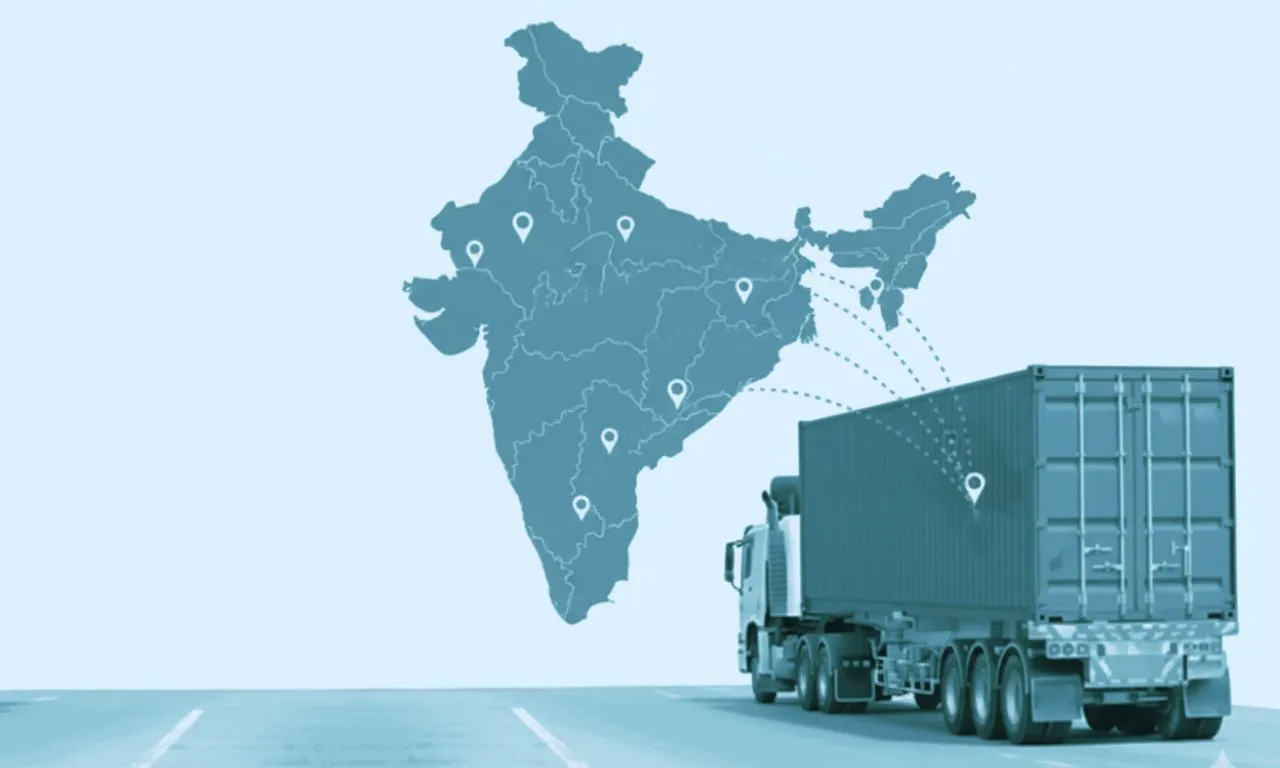
India’s e-commerce story is no longer a metro story. Recent research shows that three in five new online shoppers since 2020 have come from Tier-3 or smaller cities, and Tier-2/3 locations now power a large share of digital spending and festive e-commerce demand. This emerging “Bharat” shopper base often first-time online buyers, mobile-first, price conscious but aspiration-driven is expected to account for the next 200 million e-commerce customers.
These consumers behave differently from Tier-1 buyers. They search and browse in vernacular languages like Hindi, Tamil, Telugu and Bengali; they lean heavily on video, voice, and social recommendations; and they are more sensitive to trust markers such as COD, easy returns and local language support.
This article argues that cracking regional growth is not about simply “extending” campaigns beyond metros, it requires a re-design of the demand funnel, content, assortment, pricing and service model. The prize is large: Tier-2/3 cities are already growing faster than metros in order volumes and are becoming the backbone of India’s e-commerce GMV.
From India to Bharat: The Geographic Shift in Online Demand
Over the last decade, India’s e-retail market has grown to around $60 billion in GMV and now hosts the world’s second-largest online shopper base. Early growth was dominated by metros and Tier-1 cities like Delhi, Mumbai, Bengaluru, Chennai. Today, the center of gravity is moving.
Tier-2 and Tier-3 cities drove a disproportionate share of order volume growth in recent seasonal and summer sales; in some events, Tier-3 cities contributed nearly 40% of total orders and grew more than 20% year-on-year. These shoppers are not simply copying metro behavior, they are reshaping how e-commerce works in India.
For brands selling on Amazon, Flipkart, Meesho, Ajio and regional marketplaces, this has a direct implication: the next leg of sales growth will not be won in Koramangala or Bandra, but in cities like Indore, Coimbatore, Vizag, Lucknow, Madurai and Siliguri, and in peri-urban clusters surrounding them.
Who Is the “Bharat” Shopper?
“Bharat” is less about pin code and more about context. Several analysts define Bharat consumers as those living outside the top metros, with mid-income profiles, more value-conscious shopping habits, and a higher reliance on family and community influence.
Typical traits include:
-
Mobile-first, app-native behavior: Most of these shoppers came online directly via smartphones and low-cost data. They skip desktop entirely.
-
Limited but fast-evolving brand familiarity: They know a few national brands, a few local heroes, and discover new ones mainly via social media, influencers, short videos and word of mouth.
-
Higher sensitivity to risk: Concerns around fraud, returns and product mismatch are stronger, so COD, easy returns and trusted marketplaces matter.
-
Aspirational yet value-driven: They want premium experiences and branded goods but within a tight budget like value packs, EMI options and festival deals matter more.
-
Collective decision making: Purchases are often discussed with family, friends or community peers. Shared devices and shared identities are common.
Understanding these traits is crucial. A performance campaign or product page that works in South Mumbai may fail in Madurai not because the product is wrong, but because the story, language, and risk framing aren’t tuned to Bharat’s reality.
Vernacular Search and Content: The Real Battleground
One of the most visible differentiators of Bharat shoppers is language. Local languages are a “winning formula” for e-commerce in India; Amazon launched Hindi for shopping in 2018 and later added Kannada, Malayalam, Tamil and Telugu, while Flipkart rolled out Hindi and then expanded to Tamil, Telugu and Kannada interfaces.
More recently, platforms have embraced what some call the 3V strategy: Voice, Vernacular and Video to reach non-metro shoppers. The logic is straightforward: many Bharat users are comfortable speaking or reading in Hindi, Tamil, Telugu or Bengali, but not in English. They search in their own language, ask questions via voice and are more responsive to ads that look and sound like their world.
For marketplaces, this has led to:
- Vernacular app interfaces and product discovery flows
- Voice-enabled search and navigation
- Regional language filters in video commerce and live streams
- Festival campaigns targeted with Hindi, Tamil, Bengali and other language creatives
For brands, though, adaptation has been slower. Many still run English-only creatives, product titles and descriptions, hoping the platform layer will “translate” the experience. This is a missed opportunity. If the next 200 million shoppers search for “बालों के झड़ने का तेल” rather than “anti-hairfall oil”, the brand that shows up in their language wins.
New Buying Triggers in Bharat: What Actually Moves the Needle
Tier-2+ consumers don’t respond to the same triggers as metro buyers. Some of the most important drivers include:
1. Local language trust cues
Seeing product titles, key benefits and return policies in their language significantly improves perceived safety. Reviews in vernacular carry outsized influence; a single long Hindi or Tamil review may be worth more than ten short English ones in these regions.
2. Video-led discovery and proof
Short-form videos showing real people using the product in familiar environments, small kitchens, shared rooms, local streets, drive higher engagement than polished “metro-lifestyle” content. Integration with Flipkart Video, Amazon Inspire, and social commerce clips becomes a powerful trigger.
3. COD and flexible payments
While UPI has dramatically increased digital trust, many Bharat shoppers still prefer COD for first purchases, especially in higher-value categories. EMI, pay-later and simplified return flows are increasingly important.
4. Festival and life-event anchoring
Diwali, Onam, Pongal, Rakhi, Eid, weddings and local festivals act as natural purchase anchors. Vernacular campaigns aligned to these cultural moments tend to outperform generic “Big Sale” messaging.
5. Practical benefits over abstract positioning
Bharat shoppers respond strongly to clear functional promises like savings on electricity, durability, stain resistance, value packs, family usage, more than to abstract lifestyle or identity narratives.
The implication for brands is clear: creative, assortment and pricing strategies must speak to these triggers, not just to metro sensibilities.
Infrastructure, Logistics and the Reality of Serving Bharat
The opportunity is large, but execution is complex. Tier-2/3 cities are now the backbone of India’s e-commerce growth, yet they still face challenges such as weaker last-mile infrastructure, higher return rates and COD-led cash flow strain.
Quick commerce and hyperlocal warehousing are starting to address some of these gaps, especially for grocery and essentials, by placing small dark stores across Tier-2 cities. Still, brands must plan for:
- Longer and more variable delivery timelines in remote clusters
- Need for simple, transparent tracking and communication in local languages
- Higher probability of address-related issues and delivery attempts
- Reverse logistics complexity for returns
The brands that win Bharat will be those that collaborate closely with marketplace and logistics partners to build realistic SLAs, localized pickup networks and proactive customer support instead of copying metro service promises.
A Four-Layer Strategy to Crack Bharat on Marketplaces
To operationalize regional growth, brands can think in terms of four interlocking layers: Discovery, Trust, Relevance and Experience.
Discovery: Being Found in Bharat’s Language and Channels
First, brands must ensure that Bharat shoppers can actually discover them. That means:
-
Localized keyword strategy for Hindi, Tamil, Telugu and other major languages in titles, bullets and backend keywords.
-
Regional media investments such as vernacular OTT, YouTube regional channels, language-specific influencers and creators, pointing to marketplace listings.
-
Using external traffic tactics (search, social, creator collabs) targeting Tier-2+ geographies with language-matched creatives, then directing these users into marketplaces where they prefer to transact.
Bharat discovery is not just a question of performance media; it’s a question of speaking the same language, literally and metaphorically.
Trust: Reducing Perceived Risk
Next, brands need to de-risk the purchase journey. This includes:
-
Clearly surfaced local-language information on returns, warranties, customer support and authenticity.
-
Utilising marketplace badges (Assured, Fulfilled, Brand Authorized) which are especially meaningful for first-time online buyers.
-
Consistent, no-surprises packaging and delivery; even seemingly small issues like missing freebies or damaged outer boxes can lead to distrust and negative word of mouth in tight-knit communities.
Over time, as Bharat shoppers accumulate a few positive experiences, they become more comfortable pre-paying and trying new brands, unlocking higher-margin segments.
Relevance: Assortment and Price Architecture for Bharat
Bharat’s consumption is not just “smaller packs for poorer users.” Many Tier-2/3 cities are seeing rapid income growth and aspirational consumption, including in premium categories like smartphones, fashion and even luxury.
Brands should therefore design a barbell assortment:
- Entry packs and family value packs tailored to local price points and usage patterns
- Select premium SKUs positioned as “once-in-a-while” or festival purchases
Crucially, MRP and discount architecture must be competitive against strong local/regional brands that already enjoy shelf presence and word of mouth. Winning Bharat often means understanding which SKUs drive entry, and which ones drive aspiration and upgrading.
Experience: Service as a Growth Lever
Finally, delivering a superior end-to-end experience is non-negotiable. For Bharat, this means:
-
Proactive communication around delivery time, delays and returns in the buyer’s language.
-
Easy access to human support like chat, call or WhatsApp, when something goes wrong.
-
Analytical monitoring of RTO (return-to-origin) and cancellation patterns by pin code, with targeted interventions.
In Bharat, word-of-mouth travels quickly across families, neighbourhoods and small businesses. Good experiences compound; bad ones compound faster.
External Channels + Marketplaces: A Hybrid Play for Bharat
One of the most powerful ways to unlock Bharat demand is to blend off-marketplace demand generation with on-marketplace fulfillment. Many Bharat consumers trust Amazon or Flipkart more than a standalone D2C website for payments and returns, yet they discover products on social platforms, short-video apps and vernacular media.
Brands can use:
-
Regional influencer campaigns on YouTube, Moj, ShareChat, Instagram Reels and local creators, all linking to marketplace listings.
-
Vernacular native ads during festivals (Diwali, Pongal, Eid) that bring users from Hindi/Tamil content environments into trusted marketplaces.
-
WhatsApp and community-based referrals that end at an Amazon/Flipkart product detail page, not a brand site.
This hybrid approach lets brands piggyback on the trust and logistics strength of marketplaces while owning the demand-creation layer in external channels.
Measurement and Org Readiness: Turning Bharat from Experiment to Engine
Cracking Bharat is not a one-season experiment; it requires persistent measurement and organizational focus. Key practices include:
-
Segmenting marketplace dashboards by city tier and region, not just by overall GMV.
-
Building a taxonomy of campaigns, creatives and languages by region to learn what works where.
-
Tracking penetration in selected focus states or clusters (e.g., UP small towns, Tamil Nadu non-metros, Northeast states) and building multi-year plans.
-
Training local language customer support, community managers and creator relationships; Bharat cannot be run exclusively from a metro head office.
Over time, brands that think in terms of Bharat P&L, with dedicated budgets, playbooks and learning loops, will outpace those that treat regional growth as spill-over from metro investments.
Conclusion
Tier-1 India is crowded and expensive. The next 200 million e-commerce shoppers will come from the Tier-2, Tier-3 and small-town consumers who are mobile-first, vernacular, aspirational and value-driven. Platforms have already moved: they’ve added local languages, voice interfaces, regional video formats and deeper logistics networks.
The question is whether brands will follow with equal intent. It demands a re-wiring of discovery (vernacular search, regional media), trust (policies and communication in local languages), relevance (assortment and pricing tailored to Bharat needs) and experience (service that respects the realities of smaller cities).
Brands that invest early in understanding and serving Bharat will not just acquire new customers, they’ll build resilient growth, stronger brand equity and a competitive moat as India’s digital consumption map shifts decisively from metros to the heartland. Those that cling to metro-only playbooks risk watching the next wave of e-commerce growth pass them by.
FAQs
Q1. What exactly do you mean by “Bharat” in this context?
Ans. Here, “Bharat” refers primarily to shoppers in Tier-2, Tier-3 and smaller cities, as well as semi-urban and rural clusters, who are mobile-first, often vernacular language users, and currently under-served by metro-centric e-commerce playbooks. It’s more a mindset and context than a strict geographic boundary.
Q2. Why are Tier-2/3 cities so important for e-commerce growth now?
Ans. Multiple reports show that a majority of new online shoppers since 2020 have come from non-metro cities, and Tier-2/3 locations are posting faster order growth than Tier-1 during major sales. With only a fraction of India’s internet users currently shopping online, most incremental growth will come from these regions.
Q3. How critical is vernacular language support for cracking Bharat?
Ans. Very. Platforms like Amazon and Flipkart have invested heavily in Hindi, Tamil, Telugu, Kannada and other language interfaces because local language support materially increases adoption and transaction comfort. Brands that mirror this in their content, creatives and customer service see higher click-through, engagement and conversion.
Q4. Do Bharat shoppers only care about low prices?
Ans. No. While value matters, many Bharat consumers are increasingly aspirational and willing to pay for quality, convenience and trusted brands, especially for categories like electronics, fashion, beauty and even affordable luxury. The key is to offer the right mix of accessible entry packs and premium upgrades, instead of assuming only “cheap” products will sell.
Q5. What are the biggest execution risks when expanding into Bharat via marketplaces?
Ans. Common risks include poor localization (English-heavy content), underestimating logistics complexity in smaller towns, over-promising delivery times, neglecting COD and returns reality, and failing to measure performance by region and language. Brands that mitigate these risks, by designing Bharat-specific playbooks and using integrated intelligence tools, tend to scale more sustainably.









Industries
Growth
Operations
Technology