
Benefits of Smart Classrooms: The Next-Gen Infrastructure
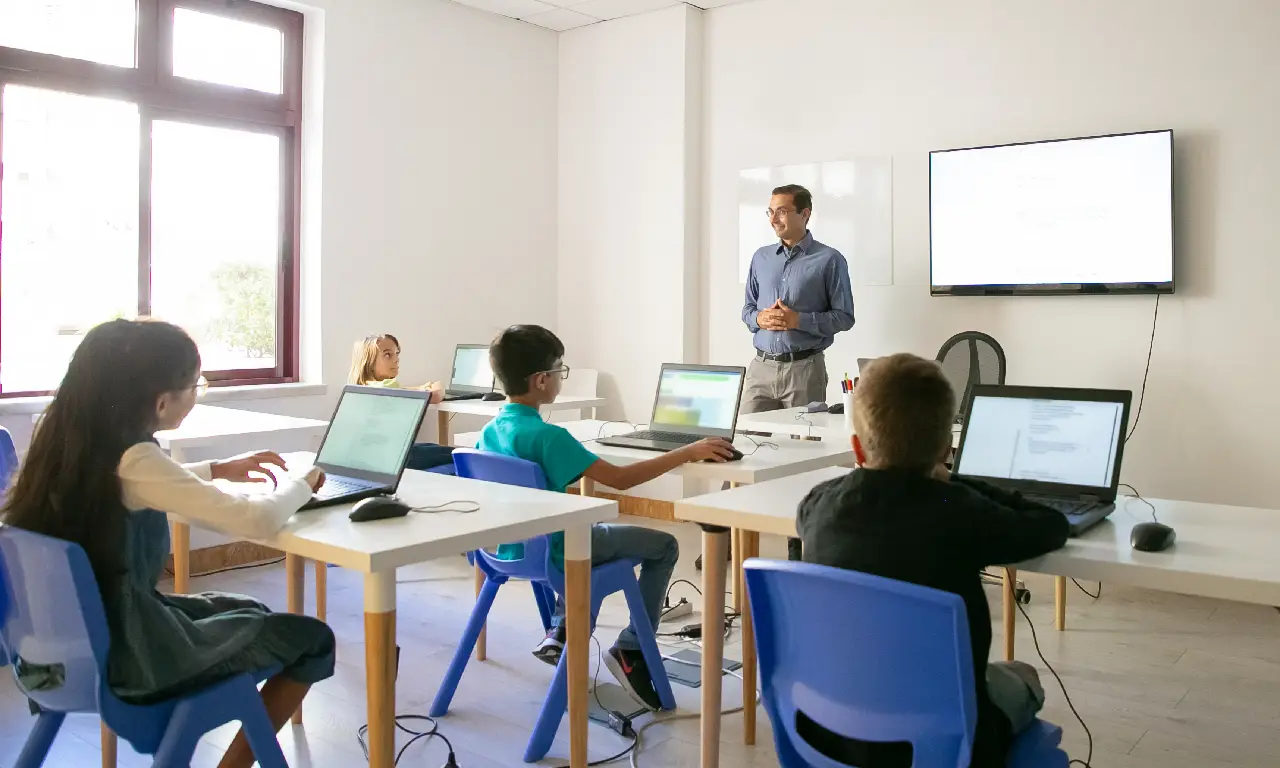
Modern classrooms are no longer confined by chalkboards and white walls. The smart classroom, once defined by projectors, digital boards, and internet connectivity, has evolved into a sophisticated ecosystem where technology interacts seamlessly with pedagogy. As IoT devices, AR/VR tools, and AI analytics begin shaping education’s next phase, Smart Classrooms 2.0 represent a leap from digital assistance to intelligent collaboration. This article explores how next-generation infrastructure is reshaping learning spaces, the technology powering it, and the opportunities and challenges that come with its adoption.
The Evolution of Smart Classrooms
A decade ago, the term “smart classroom” referred to basic digitization: interactive boards, multimedia lessons, and internet access. Today, that definition feels outdated. Smart Classrooms 2.0 bring intelligence, interactivity, and integration into every layer of learning. IoT sensors monitor attendance and environmental comfort; immersive technology bring history and science to life; and AI-driven analytics personalize learning paths.
From Digital Tools to Connected Ecosystems
Earlier smart classrooms relied on standalone hardware and software. Now, connectivity is the core. Every device, from lighting systems to student tablets, communicates through an integrated network, turning classrooms into living ecosystems of learning data.
Characteristics of a Smart Classroom
The shift from traditional to smart classrooms introduces a new learning culture defined by interactivity, adaptability, and inclusivity.
Key Features Include:
-
IoT Integration: Smart sensors automate lighting, temperature, and attendance tracking for efficiency.
-
Immersive Learning Tools: AR/VR devices create virtual laboratories, field trips, and visual simulations.
-
Data-Driven Insights: AI analytics assess learning progress and suggest improvements.
-
Seamless Connectivity: Devices, students, and educators remain interconnected through cloud systems.
-
Collaborative Learning: Smart boards, real-time quizzes, and live discussions enhance peer engagement.
These characteristics collectively transform classrooms into student-centered environments where technology complements, not replaces, pedagogy.
The Purpose Behind Smart Classrooms 2.0
At the heart of Smart Classrooms 2.0 lies a simple purpose which is to enhance learning effectiveness while optimizing resources. Unlike earlier models that focused on content delivery, the new wave emphasizes experience, engagement, and equity. Schools are now designing environments where every learner, regardless of pace or style, can thrive using adaptive technologies.
Core Components of Next-Gen Classroom Infrastructure
Smart classrooms integrate hardware, software, and design thinking into one functional ecosystem.
1. Internet of Things (IoT)
IoT is the nervous system of the modern classroom. Sensors and devices exchange data to automate operations and track engagement.
Examples include:
-
Smart ID cards for attendance tracking
-
Environmental sensors monitoring temperature, air quality, and lighting
-
Smart boards that sync with teacher devices
-
Connected projectors and 3D models for real-time demonstrations
2. Augmented and Virtual Reality (AR/VR)
AR and VR bring abstract concepts to life. Imagine students walking through a virtual solar system or dissecting a 3D model of a frog without ever picking up a scalpel. These tools promote experiential learning, improving memory retention by 75% compared to traditional methods.
3. Artificial Intelligence (AI)
AI powers personalization and predictive learning. It tracks student performance, identifies learning gaps, and recommends tailored exercises, reducing teacher workload while improving outcomes.
4. Cloud-Based Learning Management Systems (LMS)
Cloud systems centralize academic resources, enabling remote access, collaborative assignments, and real-time grading.
5. Interactive and Modular Furniture
Physical design matters. Flexible desks, touch-enabled tables, and acoustic zoning support group activities and technology integration without distraction.
Benefits of Smart Classrooms
When designed effectively, smart classrooms yield tangible educational and operational benefits.
- Enhanced Engagement: Interactive visuals and simulations make abstract subjects relatable.
- Personalized Learning: AI adapts pace and content based on each student’s needs.
- Operational Efficiency: IoT reduces energy use and automates routine administrative tasks.
- Better Learning Outcomes: Data insights allow educators to identify and address gaps faster.
- Scalability: Cloud-based systems support hybrid learning models without major infrastructure changes.
Challenges and Disadvantages of Smart Classrooms
Despite their promise, smart classrooms also face hurdles in cost, accessibility, and training.
Common Challenges Include:
- High Initial Costs: Infrastructure upgrades like IoT sensors, VR headsets, cloud subscriptions require upfront investment.
- Digital Divide: Not all schools can afford uniform access to technology.
- Teacher Readiness: Successful implementation demands continuous teacher training.
- Data Privacy Risks: As more devices collect data, schools must enforce strict security policies.
Addressing these challenges requires strategic budgeting, phased rollouts, and capacity-building programs to ensure inclusivity.
Redesigning Learning Spaces for Smart Classrooms
Smart Classrooms 2.0 are not just about technology, they’re about rethinking physical and pedagogical space. The design philosophy prioritizes flexibility, interactivity, and flow.
Key Design Principles:
- Zoned Learning: Separate areas for collaboration, exploration, and individual focus.
- Modular Infrastructure: Movable furniture and wireless tools enable dynamic reconfiguration.
- Acoustic Design: Soundproofing ensures focus during digital sessions.
- Device Accessibility: Power ports, docking stations, and Wi-Fi mesh enable seamless connectivity.
Schools adopting this design mindset are creating adaptive environments where space evolves alongside learning needs.
Smart Classroom Equipment: The Essentials
Equipping a smart classroom requires thoughtful selection of interoperable tools.
- Smart Boards and Panels: Enable touch-based interaction and screen sharing.
- AR/VR Headsets: Deliver immersive subject experiences.
- IoT Sensors and Devices: Automate environment control and track occupancy.
- Interactive Student Devices: Tablets or laptops connected to a shared LMS.
- High-Speed Connectivity Infrastructure: Wi-Fi 6 routers, cloud storage, and secure firewalls.
- Content Creation Tools: Platforms for teachers to develop digital lessons and assessments.
The focus should remain on functional integration, not on piling multiple technologies without clear learning outcomes.
Smart Classroom Management Systems
Just as ERP software streamlines administrative workflows, smart classroom management platforms coordinate teaching, learning, and device control.
These systems:
-
Centralize device monitoring and maintenance.
-
Enable teachers to control multiple screens simultaneously.
-
Track student participation and learning outcomes.
-
Integrate with school ERP systems for academic reporting.
When synchronized with ERP tools, smart classroom management creates a connected campus ecosystem, linking classroom performance with institutional analytics.
The Pedagogical Shift: From Teaching to Orchestrating Learning
In Smart Classrooms 2.0, teachers evolve from content deliverers to learning facilitators. Instead of lecturing, they guide students through interactive simulations, real-time assessments, and project-based explorations. Technology acts as the silent co-teacher capturing feedback, enabling collaboration, and offering instant insights.
Market Trends: EdTech and Smart Classroom Growth
The global EdTech and Smart Classroom market is projected to surpass $200 billion by 2027, driven by IoT, AR/VR, and AI adoption.
Growth Drivers Include:
- Increased government spending on digital infrastructure.
- Rise of blended learning post-pandemic.
- Cloud-based software adoption in emerging economies.
- Demand for measurable learning outcomes through analytics.
India’s National Education Policy (NEP 2020) and initiatives like Digital India are accelerating adoption in schools and higher education.
Integrating AI and ERP with Smart Classrooms
When integrated with AI and ERP systems, smart classrooms transcend operational efficiency and move toward intelligent ecosystems.
How Integration Works:
- ERP systems unify attendance, grading, and financial data with classroom analytics.
- AI interprets behavioral data to recommend personalized interventions.
- IoT bridges the physical-digital gap, creating feedback loops between environment and learning performance.
The result? A data-driven learning architecture that connects pedagogy, administration, and experience seamlessly.
The Future: Smart Classrooms as Living Learning Ecosystems
Smart Classrooms 2.0 are stepping stones to Education 5.0, where physical and digital realities merge.
Emerging Innovations Include:
- Mixed Reality Classrooms: Combining physical labs with virtual simulations.
- Digital Twins of Schools: Real-time models to manage resources and predict maintenance needs.
- Haptic Learning Devices: Allow tactile feedback during virtual experiments.
- AI Tutors and Assistants: Providing real-time, individualized learning support.
In the near future, classrooms will adapt in real-time—lighting adjusting for concentration, AR projecting interactive problems, and AI assessing comprehension instantly.
Conclusion
Smart Classrooms 2.0 represent the fusion of technology, pedagogy, and design: a shift from static teaching to dynamic, data-informed learning. By integrating IoT sensors, AR/VR experiences, and AI analytics, schools are transforming classrooms into living ecosystems that adapt to each learner. However, success depends not on technology alone but on intentional design, teacher empowerment, and strategic investment.
FAQs
Q1. What is a smart classroom?
A smart classroom is a technology-enabled learning environment that integrates IoT, AR/VR, and digital tools to enhance interaction, engagement, and learning outcomes.
Q2. What are the key features of smart classrooms?
Smart classrooms include IoT sensors, interactive smart boards, AR/VR devices, cloud-based management systems, and AI-driven analytics for personalized learning.
Q3. What are the advantages and disadvantages of smart classrooms?
Advantages include engagement, efficiency, and personalization. Disadvantages involve high setup costs, training requirements, and potential digital divides.
Q4. How do smart classrooms support teachers?
They automate routine tasks, provide analytics on student performance, and offer interactive tools that enhance content delivery and participation.
Q5. What is the future of smart classrooms?
Future smart classrooms will combine IoT, AI, and immersive technologies to create adaptive, intelligent, and continuously evolving learning ecosystems.









Industries
Growth
Operations
Technology