
The Case for Local Manufacturing: Economic & Clinical Value
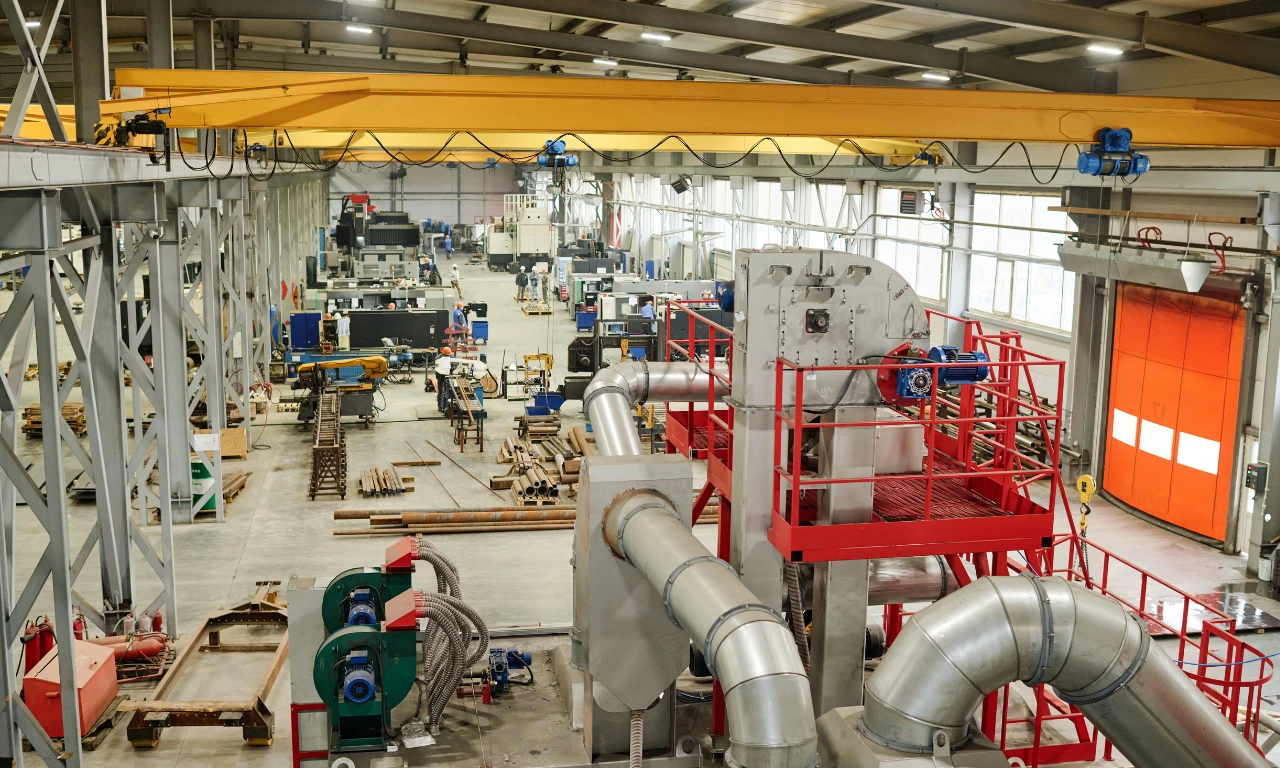
India’s healthcare industry is entering a scale phase larger hospital networks, deeper diagnostics, and rising chronic care. Yet procurement teams still grapple with imported devices that are expensive to acquire and unpredictable to maintain. Local manufacturing promises a different curve: lower lifetime costs, faster service cycles, and designs tuned to Indian workflows. It also strengthens supply resilience when global shocks disrupt cross-border logistics.
The Case for Local Manufacturing: Economic & Clinical Value
India’s demand story is clear. The opportunity now is converting consumption into capability moving beyond assembly to platforms designed, manufactured, and serviced here. That shift is not just industrial strategy; it directly shapes affordability, uptime, and clinical outcomes across the healthcare market in India.
Why Localization Changes Hospital Economics
Imported capex often comes with long lead times, currency risk, and service contracts priced in foreign exchange. Local manufacturing cuts freight and buffer inventory, allows modular SKUs, and shortens turnaround for spares and probes. Over a 5–7-year life, hospitals can see lower total cost of ownership, more predictable maintenance, and higher utilization of imaging, ICU, and lab equipment.
For CFOs, the economics show up in three places: capex paid in rupees, opex saved via local spares and faster field engineering, and revenue protection when uptime improves. When tenders evaluate total cost of care and guaranteed uptime rather than sticker price alone, local devices compete on measurable value.
From Assembly to Advantage: Where Value Is Created
Localization is not a slogan; it is a stack. Component depth (sensors, optics, boards), robust QA and regulatory systems, and field engineering create the compounding advantages. Indian OEMs that design for maintainability-front-swappable boards, ruggedized probes, cloud telemetry-deliver better lifecycle economics than generic imports tuned for other markets.
As designs mature, BOM optimization and vendor development reduce costs without sacrificing reliability. The prize is durable: a domestic supply base for high-value sub-assemblies and a services flywheel that keeps devices productive.
Clinical Value: Outcomes, Not Just Ownership
Clinical value emerges when devices fit local care pathways. Indigenous ventilators with context-aware alarms can reduce false positives in noisy ICUs; ultrasound probes optimized for heat and dust extend life in peripheral centers; hematology analyzers with on-device QC cut redraws and speed reporting. The result is fewer delays, more accurate triage, and shorter length of stay-making it essential to evaluate MedTech performance beyond hype by Separating Signal from Noise.
Locally built systems are easier to iterate with clinicians. Rapid firmware updates and field feedback loops enable small, high-impact improvements - preset libraries, AI triage cues, and UI in vernacular languages. These “micro-fit” features often move more clinical needles than headline specs.
Interoperability: Built for India’s Digital Rails
As ABDM adoption expands, hospitals will demand devices that plug into registries, e-claims, and EHR flows. FHIR-ready interfaces, role-based access, and on-device encryption are becoming table stakes. Local manufacturers can ship “ABDM-ready out of the box,” reducing HL7 customization projects and bringing time-to-value down from months to weeks.
The payoff is twofold: faster integrations at go-live and structured data for quality programs, audits, and research. That lifts procurement preference for indigenous systems designed for India’s India healthcare system and data standards.
Supply Security and Service Velocity
During the pandemic, hospitals learned that service velocity is a clinical metric. Localized spares and trained field teams cut MTTR for critical care monitors, ventilators, and analyzers. Shorter downtime reduces procedure backlogs and protects revenue. In diagnostics, consistent uptime preserves sample integrity and reporting SLAs.
Supply security also enables planned upgrades rather than emergency replacements. When OEMs and vendors sit within the country, proactive part refreshes and mid-life board swaps become routine extending productive life and smoothing cash flows.
Policy Tailwinds: When Incentives Meet Evidence
India’s policy stack is maturing. PLI catalyzes investment in high-value categories, while research programs and device parks add shared testing and metrology. The next step is procurement reform evaluating bids on TCO and guaranteed uptime, with bonus points for ABDM interoperability and documented clinical benefit.
For payers, localization aligns with affordability goals. Lower landed cost and faster maintenance feed directly into tariffs and waiting times. As outcome data accumulates, local devices that prove equivalence or superiority should see preferential adoption in public and private systems.
A Practical Playbook for OEMs
Start with vendor development for high-reliability electronics, optics, and medical-grade plastics. Lock three-year offtake to justify supplier capex. Engineer for maintainability and telemetry self-diagnostics, error codes, and remote assist. Build dossiers to CE/510(k) formats from day one to avoid rework later, following lessons outlined in India’s MedTech policy ecosystem that highlight how regulatory planning and infrastructure support can accelerate localization.
Commercially, migrate from price-only pitches to outcomes: uptime guarantees, throughput per hour, cost per report, or cost per scan. Bundle analytics and training; empower biomed teams with digital manuals and spare kits. Over time, these service moats are harder to copy than hardware alone-underscoring insights shared in The MedTech Hype Curve about how genuine value creation outlasts market buzz.
What Hospitals Should Ask Before Buying
Does the OEM provide ABDM-ready data exchange by default, or as paid integration? Are spare kits and probe replacements stocked domestically? What is the median MTTR on similar installations? Is there published evidence for equivalence or superiority in local cohorts? The answers separate promises from practical value.
Procurement teams can pilot on a limited ward or lab bench, measure uptime and report quality, and scale with confidence. This “test-then-tender” approach is faster when the OEM, regulator, and clinical team operate in the same time zone.
Economic Impact Beyond Hospitals
Local MedTech creates skilled jobs in design, quality, and field engineering, and builds adjacent capacity in precision machining, polymers, and PCB assembly. Over time, these spillovers reduce import exposure and stabilize prices. The macro story is straightforward: more value retained in-country, faster product cycles, and export-ready platforms.
For patients, the benefits are simple: lower out-of-pocket costs as tariffs and forex passthrough shrink; faster access to functioning equipment; and care pathways tuned to local needs and languages.
Conclusion
India’s healthcare system will win on access only when it also wins on availability and affordability. Local MedTech manufacturing is the bridge: it compresses cost, increases uptime, and enables evidence-led clinical gains tailored to Indian workflows. As hospital networks professionalize procurement and ABDM connects the rails, indigenous devices that prove value will scale first. Partners who blend product, service, and insight-using platforms like Intellsys.ai for performance analytics can help enterprises design, build, and scale smarter care systems that serve both clinical outcomes and sustainable growth.
FAQs
Q1. How does local manufacturing lower total cost of care?
Shorter lead times, rupee-denominated service, and local spares reduce downtime and maintenance costs, improving utilization and spreading capex over more procedures.
Q2. Can local devices match imported systems on clinical performance?
Yes, when designed for local workflows and validated with real-world evidence. Faster iterations with clinicians often improve usability and diagnostic accuracy.
Q3. Why is ABDM readiness important for device procurement?
Interoperability cuts integration time, enables e-claims and audits, and creates structured data for quality improvement now a preference in hospital tenders.
Q4. What should hospitals evaluate beyond price?
Guaranteed uptime, median MTTR, availability of domestic spares, ABDM/FHIR compliance, and published evidence of performance in comparable settings.
Q5. Which policies support localization today?
PLI incentives, research translation programs, and medical device parks provide capital, testing infrastructure, and supply-base depth for high-value categories.









Industries
Growth
Operations
Technology