
Why Omnichannel Integration Is Now the No.1 Driver of Consumer Retention
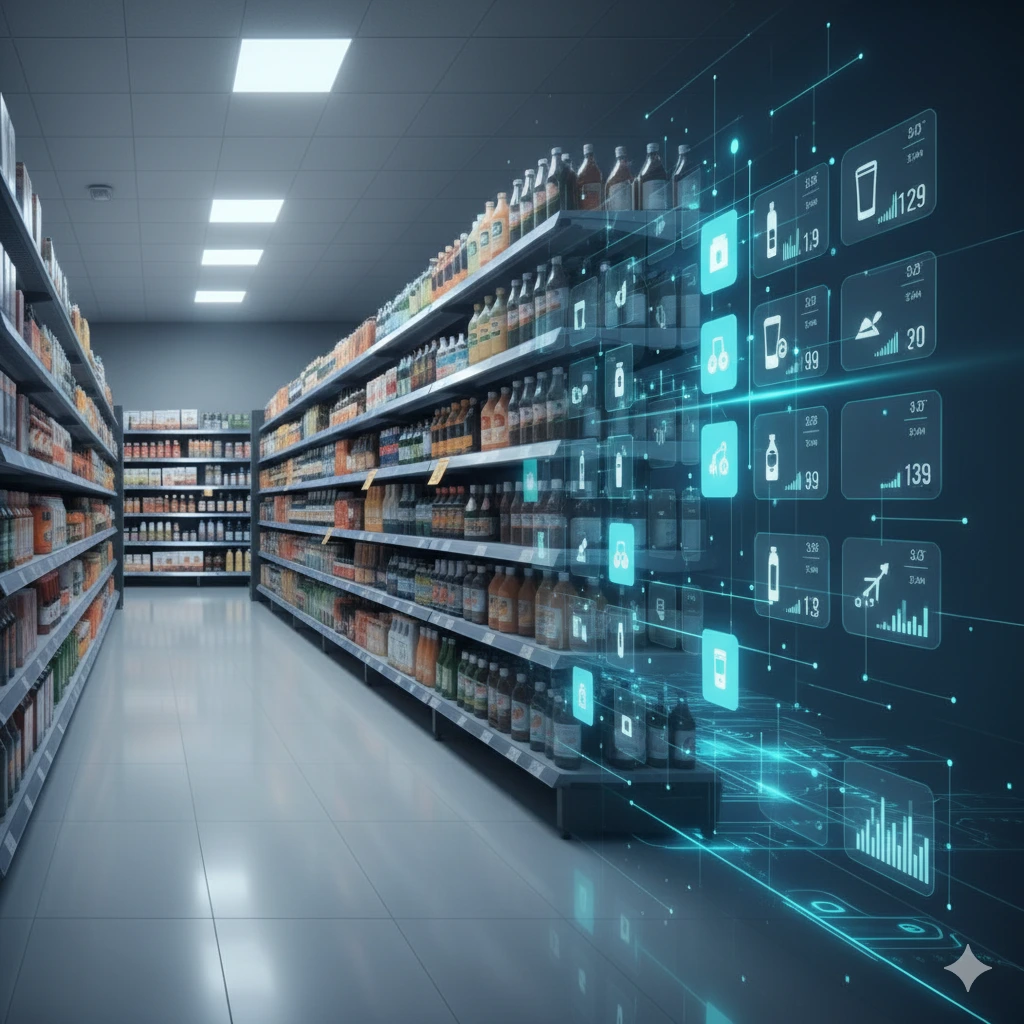
For decades, FMCG brands won through distribution breadth, shelf visibility, and mass advertising. But the consumer landscape has changed permanently. Today’s shoppers discover products on social platforms, compare prices online, buy offline, reorder through quick commerce, and interact with brands through chat, reviews, and influencers.
The result: fragmented journeys, declining loyalty, and rising expectations.
In a world where switching costs are low and alternatives are abundant, brands can no longer depend on product superiority alone. Retention now depends on a simple truth:
If your consumer journey isn’t integrated, your consumer relationship isn’t stable.
Omnichannel integration has become the strongest driver of consumer retention in FMCG - not because it creates convenience, but because it creates continuity. And continuity is the foundation of loyalty.
The New Consumer Journey: Nonlinear, Channel-Agnostic, Unpredictable
The traditional FMCG purchase funnel - Awareness → Consideration → Purchase → Loyalty—has collapsed. Consumers no longer follow a linear path.
Three major shifts define the new journey:
-
Discovery is digital-first
Influencers, short videos, reviews, and micro-content drive inspiration more than TV or print ever did. -
Purchase is channel-flexible
The same shopper may buy from modern trade, kiranas, quick commerce, D2C websites, or marketplaces within the same month. -
Reorder behaviour is habit-led
Convenience and consistency define repeat purchases, not brand love alone.
This shift requires an omnichannel experience that aligns online discovery, offline trials, digital carts, and replenishment triggers into one coherent journey.
Why Retention Has Become the Biggest FMCG Challenge
Consumers have more choices, less patience, and higher expectations than ever. Retention - which once happened naturally - is now fragile.
Four reasons FMCG finds retention difficult today:
-
Fragmented touchpoints
A brand might have five digital channels, four retail formats, and twenty different media platforms - but none share data. -
Inconsistent messaging
Prices, offers, and even pack sizes often mismatch across online and offline channels, eroding trust. -
Limited knowledge of the end consumer
FMCG brands rarely own first-party data; retailers control the transaction. -
Weak post-purchase engagement
Once a product leaves the shelf, most brands have no visibility into satisfaction or intent.
Retention can only improve when the brand sees, understands, and engages the consumer consistently across every touchpoint - not in silos.
Why Omnichannel Integration Is Now the No.1 Driver of Retention
Omnichannel is not about having multiple channels - it is about connecting them.
When channels talk to each other, consumers experience a seamless relationship with the brand.
That continuity reduces friction, increases trust, and builds loyalty.
Three reasons omnichannel integration drives retention more than any other lever:
A. It Creates a Unified Consumer Identity
Retention is impossible when each channel sees a different version of the consumer.
Omnichannel integration creates a single source of truth:
-
One profile across app, marketplace, retail, and CRM
-
Unified purchase history
-
Cross-channel behaviour tracking
-
Consistent preferences and segmentation
This allows brands to recognise the same consumer everywhere - and deliver relevant experiences.
B. It Enables Consistent Offers, Pricing, and Messaging
Consumers lose trust when they see price inflation, mismatched promotions, or contradictory content across channels.
Omnichannel integration ensures:
-
Same price across digital and retail
-
Synchronized promotions
-
Harmonised product information
-
Aligned delivery timelines
When expectations match reality across platform boundaries, repeat purchase improves.
C. It Reduces Friction and Increases Convenience
Convenience is now the strongest predictor of loyalty in FMCG.
Omnichannel reduces friction by:
-
Allowing consumers to switch channels without losing continuity
-
Offering buy-online-pick-up-offline (BOPIS) in modern trade
-
Enabling app-based recommendations that sync with in-store purchases
-
Ensuring digital carts stay active regardless of where shoppers convert
A frictionless journey feels intuitive - and intuitive journeys keep consumers coming back.
4. What an Omnichannel-Integrated FMCG Journey Looks Like
1. Discovery Phase
-
Consumer sees creator content on Instagram
-
Taps into a brand-owned link or QR code
-
Learns about product variants on the brand site
2. Evaluation Phase
-
Compares prices on marketplaces
-
Checks availability on quick commerce
-
Looks for offers in modern trade
3. Purchase Phase
-
Buys online or offline
-
Loyalty points sync automatically
-
App or WhatsApp confirms purchase
4. Reorder Phase
-
AI identifies consumption cycle
-
Nudges sent through preferred channel
-
Recommendations match past behaviour
This cohesion - from inspiration to reorder - is what drives modern retention.
The Biggest Wins FMCG Brands See After Adopting Omnichannel
When brands connect channels, data, and experience layers, five retention outcomes follow organically.
A. Higher Repeat Purchase Rates - Consumers reorder faster when friction is removed and choices are clear.
B. Stronger Loyalty Program Adoption - Unified rewards make loyalty feel tangible across platforms.
C. More Accurate Personalisation - Better identity = better predictions = better offers.
D. Improved Post-Purchase Satisfaction - Brands can close the loop effectively when feedback doesn’t get lost between channels.
E. Higher Lifetime Value - Integrated journeys reduce churn and strengthen habit loops.
Omnichannel alignment generates a retention flywheel that mass marketing never could.
How FMCG Brands Can Build Omnichannel Integration
Omnichannel only becomes complex when it’s approached without a clear framework. Anchoring your strategy around the key components of a user-first omnichannel approach allows brands to move in phases, test what works, and scale intelligently without overengineering from day one.
A. Step 1 - Build a Unified Consumer Identity
-
Sync data from app, e-commerce, retail, CRM, sampling programs
-
Establish one profile per household
Objective: Recognise the same consumer everywhere.
B. Step 2 - Standardise Offers and Product Information
-
Fix price discrepancies
-
Remove outdated product descriptions
-
Sync promotions across endpoints
Objective: Deliver consistency and reduce confusion.
C. Step 3 - Integrate Purchase Journeys Across Channels
-
Enable cross-channel continuity
-
Connect carts, recommendations, and loyalty
-
Support offline-to-online purchase redirection
Objective: Seamless conversion regardless of platform.
D. Step 4 - Strengthen Post-Purchase Engagement
-
Ask for feedback through digital channels
-
Track usage cycles
-
Provide personalised replenishment journeys
Objective: Turn post-purchase into pre-purchase.
E. Step 5 - Measure Retention, Not Just Reach
-
Track repeat purchase rate
-
Monitor reorder frequency
-
Calculate lifetime value by channel
-
Evaluate drop-off between touchpoints
Objective: Build journeys that get better over time.
Omnichannel Will Define the Next Decade of Consumer Loyalty
Brands that integrate channels will own the consumer relationship.
Brands that don’t will keep losing consumers after their first purchase.
Omnichannel is no longer a marketing innovation - it's the new baseline for consumer-centric growth. In a world where loyalty must be earned daily, seamlessness is the strongest competitive advantage a brand can build.
GrowthJockey’s Perspective
GrowthJockey believes that omnichannel integration is no longer optional - it is the operating system for modern consumer engagement. In high-frequency categories, loyalty is shaped by seamless experiences, not one-time moments.
Consumers today move fluidly across digital and physical platforms. Brands must build equally fluid systems - where identity, preferences, offers, and journeys follow the shopper wherever they go. At GrowthJockey, we design such ecosystems to help consumer brands convert scattered interactions into integrated relationships.
GrowthJockey Services Supporting Omnichannel Transformation
-
Omnichannel Journey Architecture
-
Identity Unification & Data Layer Setup
-
Marketplace + D2C
-
CRM & Lifecycle Automation
-
Predictive Reorder & Consumption Modelling
These services enable brands to create unified experiences that directly increase retention and lifetime value.
FAQs
1. Does omnichannel integration require a complete tech overhaul?
No - most brands can start by unifying identity across existing channels.
2. Does omnichannel help reduce churn?
Yes - consistent experiences significantly lower brand switching.
3. Is omnichannel relevant for low-involvement FMCG categories?
Yes - frictionless reordering is a major driver of repeat purchase.
4. Does omnichannel always require loyalty programs?
No - retention can improve even without points-based loyalty.
5. Is data unification essential for omnichannel?
Yes - without a shared identity layer, experiences cannot stay consistent.





Industries
Growth
Operations
Technology