
Beyond the Ride: How Connected Apps Are Defining the New EV Experience
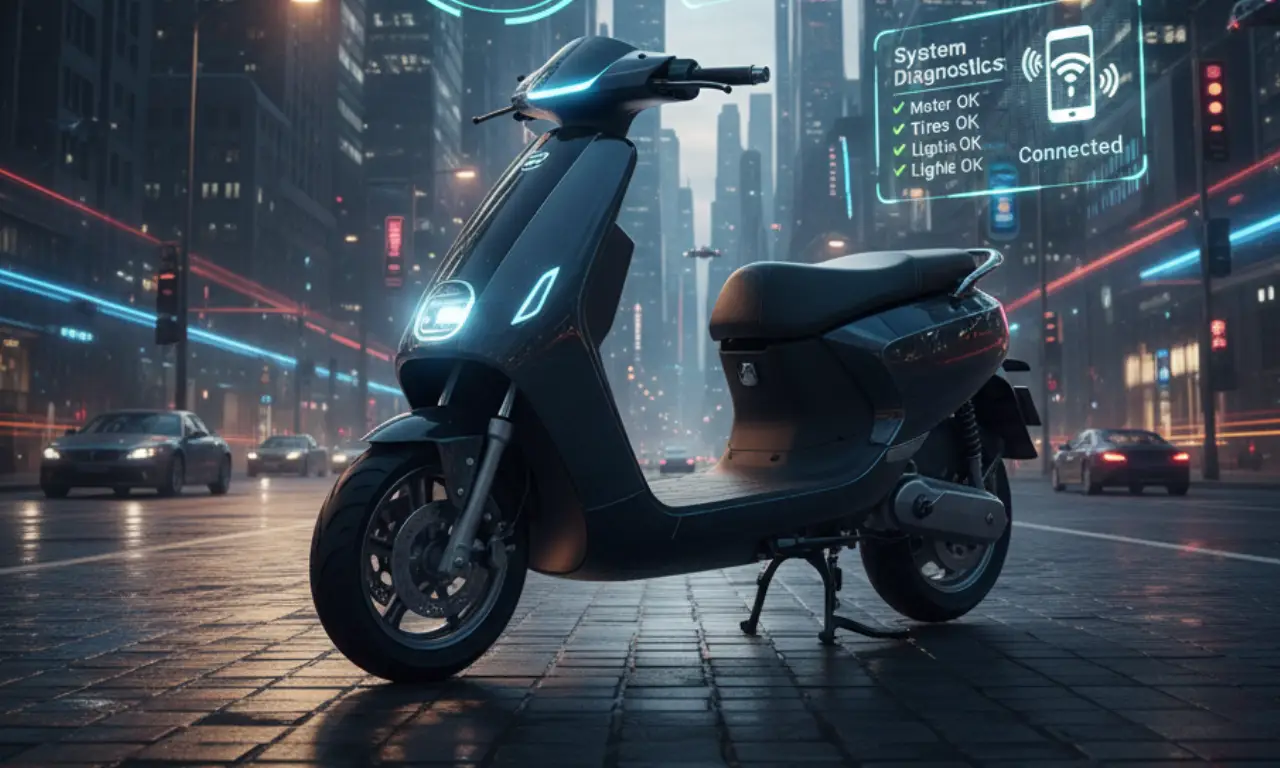
India’s EV scooter revolution has shifted from the workshop to the smartphone.
Connected apps - powered by IoT electric scooter systems - are redefining how riders experience, manage, and interact with their vehicles.
From monitoring charge levels to tracking rides and locking scooters remotely, the EV scooter mobile app is becoming the core of every ownership experience.
It’s not an accessory; it’s the interface between data, design, and daily life.
The future of mobility isn’t about how far an EV can go - it’s about how intelligently it can connect.
User Lens: Everyday Mobility Meets Everyday Tech
For riders, connected scooter apps turn routine mobility into a digital experience.
They bring the same level of convenience, transparency, and control that users expect from fintech or food delivery apps.
Core smart scooter features include:
-
Vehicle tracking app integration for live location, anti-theft alerts, and geo-fencing.
-
Smart diagnostics that alert riders about battery health and system errors in real time.
-
Trip analytics that track energy efficiency, ride duration, and CO₂ saved.
-
Over-the-air (OTA) updates that enhance performance and add new features.
These apps make every ride measurable, shareable, and personalized.
And for customers shifting from ICE vehicles, they bridge the confidence gap between old habits and new technology.
Supplier Lens: How OEMs Are Turning Apps Into Ecosystems
For manufacturers, connected apps are becoming data platforms - feeding insights into design, marketing, and aftersales.
Every rider interaction becomes a learning loop for the OEM.
Here’s what the smartest EV brands are doing:
-
Tata Motors Electric and Ather Energy use rider data to improve range prediction accuracy.
-
Ola Electric uses app engagement metrics to design software-led upgrades.
-
TVS iQube integrates smart diagnostics that route data directly to service networks.
Through Intellsys.ai, OEMs can analyze app data at scale - tracking usage, retention, and sentiment to optimize customer experience and product performance simultaneously.
Connectivity has become the new CRM.
Viewer Lens: The Market Advantage of Connectivity
Globally, connected mobility is shaping valuation.
In India’s EV landscape, apps are the differentiator between functional scooters and smart scooters.
According to GrowthJockey’s internal analysis, app-connected EVs report:
-
25–30% higher customer satisfaction scores
-
40% faster repeat purchase intent
-
20% lower service complaints
The insight is simple: customers trust what they can see and control.
By giving riders real-time access to their vehicle data, brands reduce anxiety and increase loyalty.
Connectivity is the new comfort feature.
The IoT Backbone Powering the App Revolution
Every tap on an EV app activates an ecosystem of IoT sensors, cloud servers, and AI algorithms.
Together, they collect and process data points from every scooter in motion - battery temperature, GPS location, motor load, and braking patterns.
This connectivity loop enables:
-
Predictive maintenance alerts for riders and dealers.
-
Optimized charging schedules for fleets.
-
Fleet-level analytics for OEMs and service partners.
The IoT electric scooter isn’t just smart-it’s self-aware.
Each ride improves performance and reliability for the next one.
Dealers in the Loop: Apps as Sales and Service Multipliers
Dealers benefit most when connectivity meets business systems.
A connected app bridges the showroom, workshop, and user - all in one ecosystem.
With ottopilot, a business operating solution, OEMs can sync dealer operations, sales teams, and service workflows with app data.
When a rider raises a ticket or battery alert, ottopilot automatically notifies the nearest dealer, logs the issue, and tracks resolution time.
For sales, dealers can use connected app analytics to:
-
Identify top-performing regions or models.
-
Push localized offers and test-ride invites.
-
Monitor subscription renewals and referrals.
Apps don’t just connect scooters - they connect entire organizations.
Turning Connectivity Into Commerce
Connected apps unlock new revenue streams beyond the initial sale:
-
Service subscriptions: Customers pay for premium diagnostics or ride data insights.
-
Energy partnerships: Integration with charging and battery swap networks.
-
Insurance tie-ins: Risk-based pricing using real-time telemetry.
-
Accessory marketplaces: In-app upgrades for performance or design features.
By blending hardware, software, and service, OEMs transform a single sale into a lifetime revenue loop.
Why UX Will Define the Next Wave of EV Loyalty
Design isn’t just visual - it’s behavioral.
The EV scooter mobile app must deliver a frictionless, intuitive experience that feels as smooth as the ride itself.
Brands that obsess over app speed, personalization, and reliability will dominate the EV scooter loyalty race.
After all, users won’t remember the range - but they’ll remember the notification that solved their problem before they even asked.
The GrowthJockey View: The App Is the Brand
GrowthJockey views connected apps as the new face of EV brands - where design, intelligence, and operations converge.
The company enables OEMs to build and scale these ecosystems using:
-
Intellsys.ai for real-time customer and behavioral analytics.
-
ottopilot, a business operating solution for synchronizing dealer and service operations across the app network.
This synergy transforms connected data into connected experiences - turning apps from utility tools into loyalty engines.
GrowthJockey is a venture architect for enterprises - helping OEMs and EV startups transform data, technology, and experience into business growth.
With Intellsys.ai powering analytics and ottopilot, a business operating solution driving operational control, GrowthJockey helps EV brands integrate app data, user behavior, and service delivery into one continuous ecosystem.
In the age of connected scooters, GrowthJockey makes connectivity measurable, profitable, and human.
FAQs
Q1. What is a connected scooter app?
Ans. It’s a mobile app linked to the EV via IoT, offering features like live tracking, battery monitoring, and diagnostics.
Q2. How do connected apps benefit riders?
Ans. They offer safety (geo-fencing, theft alerts), convenience (navigation, service booking), and personalization (ride analytics).
Q3. How do OEMs use app data?
Ans. OEMs use behavioral data to improve design, performance, and customer retention through analytics platforms like Intellsys.ai
Q4. How do apps connect to dealer operations?
Ans. Through systems like ottopilot, which sync dealer teams, aftersales, and customer issues directly with app notifications for faster resolution.







Industries
Growth
Operations
Technology