
FMCG Brand Launch Strategy: Winning on Digital Platforms
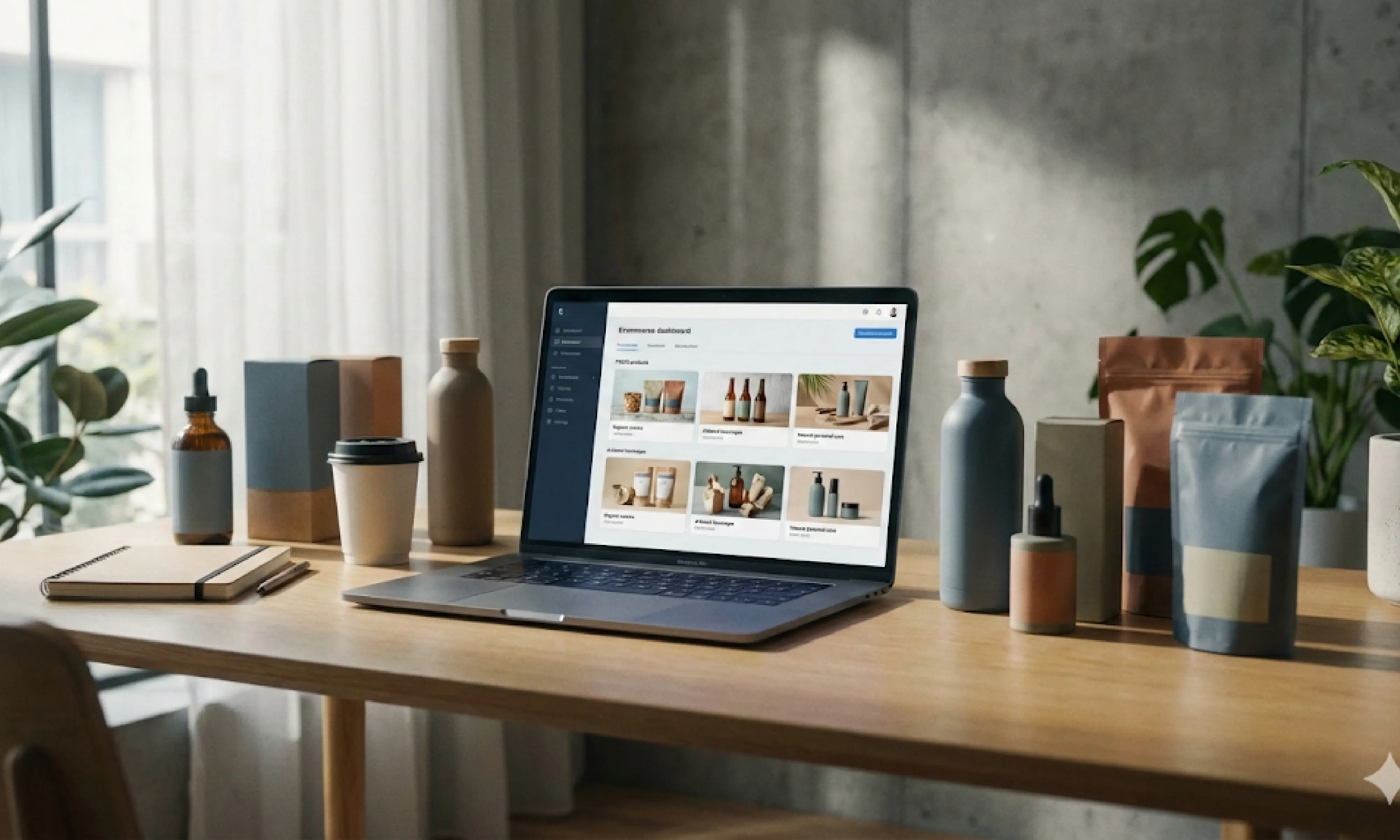
The Indian consumer landscape has undergone a seismic shift. For decades, the barrier to entry for any consumer goods company was physical distribution-placing products on the shelves of millions of Kirana stores. Today, that barrier has dissolved, replaced by a digital-first ecosystem powered by high internet penetration and robust payment infrastructure.
New-age entrepreneurs are no longer waiting for shelf space; they are building their own. By mastering the art of digital marketing for startups, founders can bypass intermediaries and establish a direct line to their audience. This article dissects the modern playbook for launching an FMCG brand in India’s digital economy.
The Strategic Foundation: The Category Wedge
Before a single rupee is spent on ads, successful startups define their entry point with surgical precision. A "wedge" is not just a product; it is a sharp, specific solution to a consumer friction point that allows a brand to slice through market noise.
Identifying the Market Friction
The top D2C brands do not launch with a portfolio; they launch with a problem-solver. In a crowded market, generic products get ignored. The goal is to identify a specific frustration-whether it is the guilt associated with snacking, the inconvenience of brewing coffee, or the lack of transparency in ingredients.
By focusing on a successful product launch strategy, startups can validate their "wedge" before scaling. For instance, brands like The Whole Truth did not just sell protein bars; they sold "radical transparency" to solve the trust deficit in the food industry. This singular focus creates a high-intent audience base that is easier and cheaper to acquire than a broad demographic.
The Clean Label and Format Innovation
Two dominant wedges in the Indian context are "Clean Label" and "Format Innovation." The modern consumer is reading the back of the pack. Startups are winning by replacing "junk" ingredients like palm oil and refined sugar with "hero" ingredients like dates, nuts, and millets.
Simultaneously, changing the format of consumption-like turning coffee powder into dissolving cubes-creates a visual hook. This innovation makes the product inherently shareable on social media, driving organic reach. A strong new brand visibility digital channels plan leverages these visual differentiators to lower acquisition costs.
Building the Pre-Launch Digital Ecosystem
The period before the product goes live is critical for gathering momentum. The "0 to 1" phase is often the most capital-intensive, making a pre-launch strategy essential for mitigating risk.
Community Before Commerce
Smart founders build an audience before they build inventory. This involves creating landing pages to capture email addresses and WhatsApp numbers by promising early access or exclusive "Founder's Batches." This "waitlist" psychology creates scarcity and validates demand.
Content-led trust is the currency of this phase. Founders are increasingly stepping out from behind the logo to document their journey-showing factory visits, R&D failures, and sourcing struggles. This "building in public" approach fosters a high-trust relationship with potential customers. D2C products thrive on this authentic connection, which traditional incumbents struggle to replicate.
Influencer Seeding and User Generated Content
In the absence of a large media budget, "Social Proof" is the primary lever for growth. The strategy involves identifying 200-500 micro-influencers who align perfectly with the brand's niche. Instead of paying for posts, brands send high-quality PR kits designed for the unboxing experience.
When a product is genuinely innovative, influencers share it for the novelty, generating organic User Generated Content (UGC). This content-real people using the product in real homes-performs significantly better in ads than polished studio shoots. A comprehensive 360 Digital Marketing strategy integrates this UGC across all touchpoints, from Instagram stories to product detail pages, to build credibility.
Mastering the Marketplace Algorithms
While D2C websites build brand equity, marketplaces like Amazon and Flipkart drive volume and discovery. For a new brand, these platforms act as the primary search engine where purchase intent is highest.
Amazon and the Velocity Game
Ranking on Amazon is not about luck; it is about sales velocity. The A9 algorithm prioritizes products that sell fast. To hack this, new brands must invest in "Premium A+ Content," utilizing rich visuals and comparison charts to explain their value proposition clearly.
Reviews are the lifeblood of visibility. Participating in programs like Amazon Vine to garner the first 30 honest reviews is non-negotiable. Without this social proof, even the best marketing strategy for D2C will fail to convert traffic into sales. Brands must also aggressively bid on competitor keywords to capture consumers who are searching for established alternatives but are open to trying something better.
Flipkart for Tier 2 Penetration
While Amazon dominates the metros, Flipkart is often the gateway to Tier 2 and Tier 3 cities. The aspirational class in these smaller towns is upgrading from unbranded to branded consumption rapidly.
For online food startup marketing, Flipkart offers a unique opportunity to tap into this mass-premium segment. The platform's strong logistics network in non-metro areas allows new brands to reach a wider audience without investing heavily in their own supply chain. Leveraging Flipkart's ad platform to retarget users who have browsed the category helps in converting high-intent regional traffic.
The Quick Commerce Revolution
Perhaps the most disruptive force in Indian retail today is Quick Commerce. Platforms like Blinkit, Zepto, and Swiggy Instamart have fundamentally altered consumer behavior, replacing planned grocery runs with impulse-driven micro-purchases.
Optimizing for the 10-Minute Window
For impulse categories like snacks and beverages, Quick Commerce is the new General Trade. However, the economics of "Dark Stores" are brutal. Shelf space is limited and expensive. Brands must pay listing fees and commit to marketing spends to secure a spot.
To succeed, brands should not list their full portfolio. Instead, they must focus on their top 2-3 "Hero SKUs" that have high velocity. A specialized quick commerce FMCG strategy focuses on ensuring these key items are never out of stock, as stockouts lead to immediate delisting and loss of visibility.
Search Advertising on Q-Commerce
Advertising on these platforms is essentially Point-of-Sale marketing. The user is already in a buying mindset. Bidding on generic keywords like "Healthy Snacks" or "Cold Coffee" ensures your brand appears right when the consumer is thirsty or hungry.
This channel offers the fastest feedback loop in the industry. Brands can launch a new flavor in a specific micro-market and get definitive sales data within 48 hours. This agility allows startups to iterate rapidly, a core advantage over legacy giants. FMCG startup acquisition channels are increasingly shifting budget towards these platforms due to their high conversion rates.
Data-Driven Performance Marketing
Scaling a brand requires a scientific approach to paid acquisition. The days of "spray and pray" advertising are over; today's winners are built on unit economics and data.
High ROI Channels and Creative Strategy
The benchmarks for a healthy D2C business in 2025 are clear: a Customer Acquisition Cost (CAC) between ₹300-₹800 and a Return on Ad Spend (ROAS) of 2.5x to 3.0x. Achieving this requires a mix of Meta (Facebook/Instagram) for discovery and Google Ads for high-intent searches.
Creatively, static images that use comparison charts often outperform videos for conversion. "Us vs. Them" graphics that clearly highlight the digital platform brand positioning against competitors help consumers make quick decisions. Founder-led videos and UGC ads bypass "banner blindness" and drive higher engagement rates.
Retention via WhatsApp Marketing
Acquiring a customer is only half the battle; retaining them is where the profit lies. With rising ad costs, startups cannot afford to re-acquire the same customer via paid channels.
WhatsApp has emerged as the most powerful retention channel in India, with open rates exceeding 90%. Smart brands use it for shipment updates, reorder nudges, and exclusive "product drops." Integrating micro-retail FMCG distribution principles, brands can use data to predict when a customer is running low and send a timely reminder, significantly boosting Lifetime Value (LTV).
Conclusion
Starting a FMCG business in India is no longer about distribution muscle; it is about digital agility and product truth. By identifying a sharp category wedge, leveraging the power of community, and mastering the nuances of marketplaces and Quick Commerce, startups can scale from 0 to 1 with unprecedented speed.
The future belongs to brands that can seamlessly blend the storytelling of D2C with the velocity of Quick Commerce. As you navigate this journey, remember that new digital channels are constantly evolving. Staying adaptable and data-focused is the only way to win.
Growth Jockey operates as a leading venture architect, dedicated to helping enterprises and founders build and scale new businesses with precision. By leveraging advanced tools like intellsys.ai for market intelligence and Ottoscholor for continuous learning, Growth Jockey ensures that every strategic decision is backed by data. Whether it is refining an MVP development process or scaling complex operations, Growth Jockey provides the execution excellence required to navigate the digital landscape effectively.
FAQs
Q1. What is a "Category Wedge" in D2C strategy? A category wedge is a specific, sharp product offering that solves a single consumer pain point better than anyone else.
Q2. Why is Quick Commerce important for new FMCG brands? Quick Commerce platforms act as the "New General Trade" for urban India, offering high sales velocity for impulse categories without massive offline infrastructure.
Q3. How much should a startup budget for marketing in the 0-1 phase? Typically, early-stage consumer brands allocate 30-40% of their projected revenue to marketing, split between performance ads, influencers, and content.
Q4. What is the role of Amazon in a D2C launch? Amazon serves as a primary discovery engine where brands capture high-intent traffic and generate the sales velocity needed for organic ranking.
Q5. How can startups lower their Customer Acquisition Cost (CAC)? Startups can lower CAC by focusing on organic community building, leveraging high-trust Founder content, and utilizing User Generated Content (UGC) for ads.







Industries
Growth
Operations
Technology