
Mapping the MedTech Supply Chain: Why Import Dependence Persists
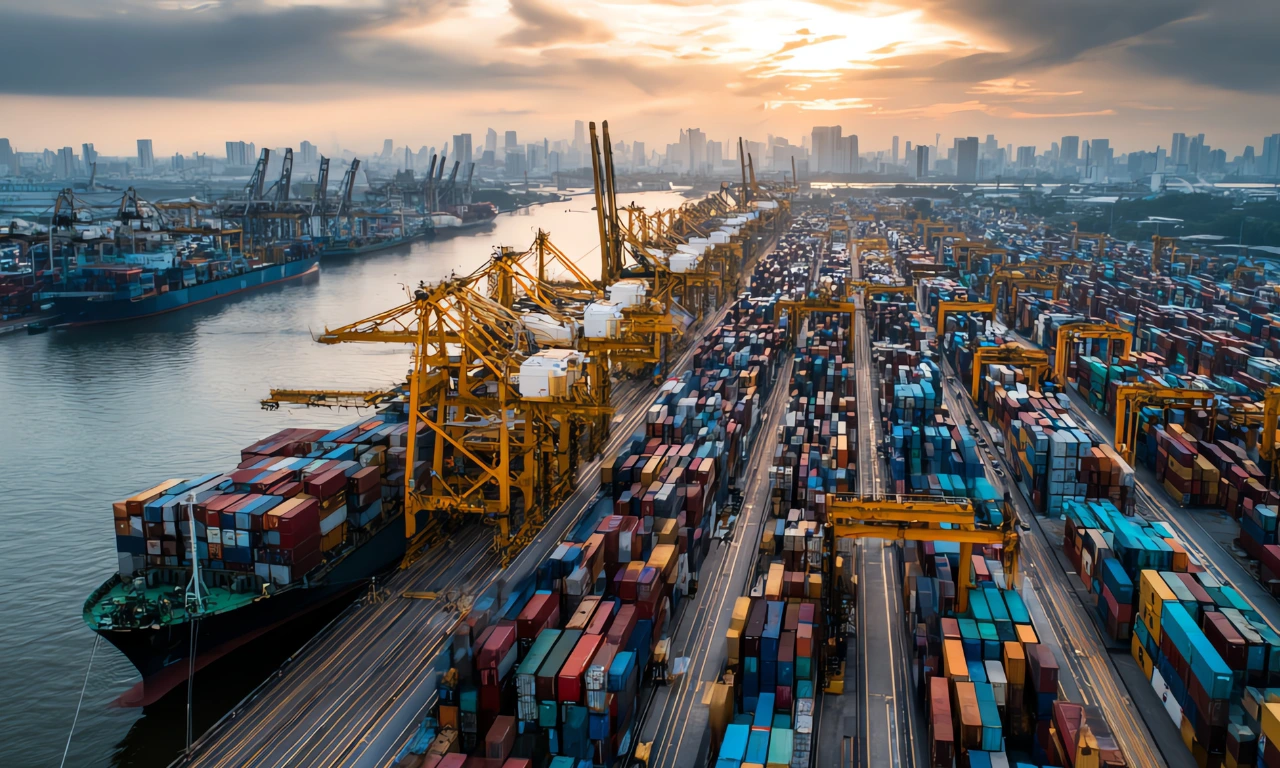
India’s healthcare industry is one of the fastest growing in the world, projected to reach USD 500 billion by 2030. But beneath that growth lies an imbalance: India still imports nearly 70 percent of its medical devices, from advanced imaging systems to diagnostic and surgical equipment. This reliance has persisted for decades, even as domestic manufacturing capacity has expanded. The real question is not whether India can make more it’s whether it can make the right things deeper in the value chain.
The Expanding Healthcare Market in India
The healthcare market in India has undergone a dramatic transformation in the last decade. Private hospital chains, diagnostics networks, and digital platforms have broadened access to modern healthcare, while public initiatives like Ayushman Bharat have increased insurance coverage.
However, the infrastructure boom has outpaced industrial depth. High-value equipment continues to be imported from countries such as Germany, Japan, and the United States. Local manufacturers, though growing, are still concentrated in low-tech segments like disposables and basic instruments.
This imbalance increases costs across the system. Imported devices carry higher duties and currency risks, raising prices for hospitals and patients. The result is a healthcare ecosystem that spends billions in foreign exchange while missing opportunities to create domestic value.
How the MedTech Supply Chain Is Structured
The medical industry in India operates through a layered value chain, and understanding each layer explains why localization remains limited.
At the foundation lie components and raw materials-sensors, optics, chips, and specialty polymers-that define a device’s quality and reliability. India’s supplier base here is still shallow, especially for medical-grade electronics. Even domestically assembled monitors and scanners often depend on imported cores.
The next layer consists of sub-assemblies, such as printed circuit boards, probes, and detector panels. Ironically, duties on these can be higher than on finished goods, creating what industry leaders call a “reverse incentive.” It becomes cheaper to import the entire system than to source or fabricate its modules locally.
The assembly and testing layer is where most Indian manufacturers operate today. They import semi-finished kits, complete calibration and quality checks, and sell the devices under local brands. This adds jobs but captures only about 30 to 40 percent of total product value.
Finally, quality certification and regulatory compliance act as cross-cutting challenges. The coexistence of CDSCO, CE, and FDA standards means that smaller firms face repeated testing cycles, delaying time-to-market and inflating costs.
Why Import Dependence Persists
India’s import-heavy status isn’t due to weak demand or limited skill it’s an ecosystem problem.
The first barrier is limited component manufacturing. Precision parts like sensors, X-ray tubes, and magnetic coils require microfabrication capabilities that few Indian vendors possess. Building this layer takes time, patient capital, and long-term demand commitments from OEMs.
The second barrier is policy misalignment. Inverted duties, low reimbursement rates, and price-only procurement discourage investment in quality localization. Without assured volume or value-based tenders, manufacturers cannot justify deeper integration.
The third issue is R&D underinvestment. Developing a regulated medical device can take seven to ten years, but most early-stage funding in India flows to short-cycle digital or consumer tech startups. This capital mismatch leaves MedTech innovation stranded between idea and industrialization.
Lastly, fragmented regulation slows momentum. The Medical Devices Rules 2017 brought welcome structure, but India still lacks mutual recognition of testing data with major export markets. The absence of such harmonization keeps exporters small and discourages domestic innovators from going global.
Policy Signals and Industry Shifts
Encouragingly, this landscape is beginning to change. The Production Linked Incentive (PLI) Scheme for medical devices, with an outlay of ₹3,420 crore, has already catalysed 19 greenfield projects. These facilities are producing radiotherapy units, patient monitors, and imaging components that were once entirely imported.
Complementing this, the Promotion of Research & Innovation in Pharma–MedTech (PRIP) program is funding prototype development through Centres of Excellence. Together with four dedicated Medical Device Parks in Noida, Tamil Nadu, Telangana, and Himachal Pradesh India is building the physical and R&D infrastructure needed for end-to-end manufacturing.
Private players are also responding. Meril Life Sciences has emerged as an export hub for orthopaedic implants, Wipro GE Healthcare manufactures ultrasound systems in Bengaluru, and Panacea Medical Technologies has developed an indigenous linear accelerator for cancer treatment. These examples show that with aligned policy and demand, localization can scale.
Building the Next MedTech Value Chain
The future of the healthcare sector in India lies in moving from assembly-led growth to innovation-led exports. That journey begins with components. Manufacturers must invest in vendor development for sensors, optics, and microcontrollers, possibly through shared facilities within medical device parks.
Next is Design-to-Value engineering optimizing device architecture to use locally available materials and reducing bill-of-material costs by up to 15 percent. This approach has already improved margins for global MedTech players and can be replicated in India.
Regulatory agility will be equally vital. A digital single-window for licensing and global conformity assessments can shorten approval cycles while maintaining safety. For hospitals, procurement needs to evolve from a “lowest-price” mindset to total cost of ownership and uptime-based metrics, rewarding reliability and service quality.
Crucially, MedTech innovation must now integrate with digital health systems. As the Ayushman Bharat Digital Mission (ABDM) expands, devices that can connect seamlessly with health records and claims systems will become procurement priorities. Building FHIR-compliant, ABDM-ready products will give domestic firms a decisive edge in hospital adoption.
The Road to Self-Reliance
India’s target of reducing import dependence to below 40 percent by 2030 is ambitious but achievable. It requires a synchronized push: policymakers correcting incentive distortions, OEMs localizing components, financiers backing deep-tech R&D, and regulators aligning globally.
If executed together, this transformation could triple India’s MedTech output to USD 30 billion, strengthen exports, and make healthcare more affordable for millions. It would also enhance health security ensuring that critical devices remain available even during global disruptions.
Conclusion
The story of India’s healthcare industry is no longer just about access; it’s about autonomy. Building self-reliance in MedTech will determine how affordable, scalable, and future-ready India’s healthcare system becomes over the next decade.
What began as an assembly ecosystem is evolving into a design and innovation hub—where engineers, clinicians, and data scientists collaborate to make technology more inclusive and adaptive to Indian conditions. Platforms like Intellsys.ai[1] and OttoScholar, which enable AI-driven insight and learning automation, already hint at how digital intelligence can complement physical innovation. Together, these shifts reflect a broader mission: helping healthcare enterprises design, build, and scale smarter systems that serve both people and progress.
FAQs
Q1. What is the current size of India’s medical devices market?
India’s medical devices market is estimated at USD 11 billion and is expected to reach USD 50 billion by 2030, according to IBEF and Invest India data.
Q2. Why does the healthcare industry in India rely so heavily on imports?
Key components such as sensors, chips, and detectors are still imported due to limited domestic capability, inverted duties, and underdeveloped supplier networks.
Q3. What policies are supporting local MedTech manufacturing?
The Production Linked Incentive (PLI) scheme, PRIP funding program, and four Medical Device Parks are creating infrastructure and capital for local R&D and production.
Q4. How can localization help hospitals and patients?
Locally produced devices can lower procurement costs, reduce maintenance time, and ensure better availability, improving affordability across the healthcare sector.
Q5. What role will digital infrastructure play in India’s MedTech future?
As ABDM adoption accelerates, devices with built-in interoperability and FHIR compliance will integrate seamlessly into hospitals’ digital workflows and patient record systems.









Industries
Growth
Operations
Technology