
3D Renders & Carousels: Driving Recall in EVs
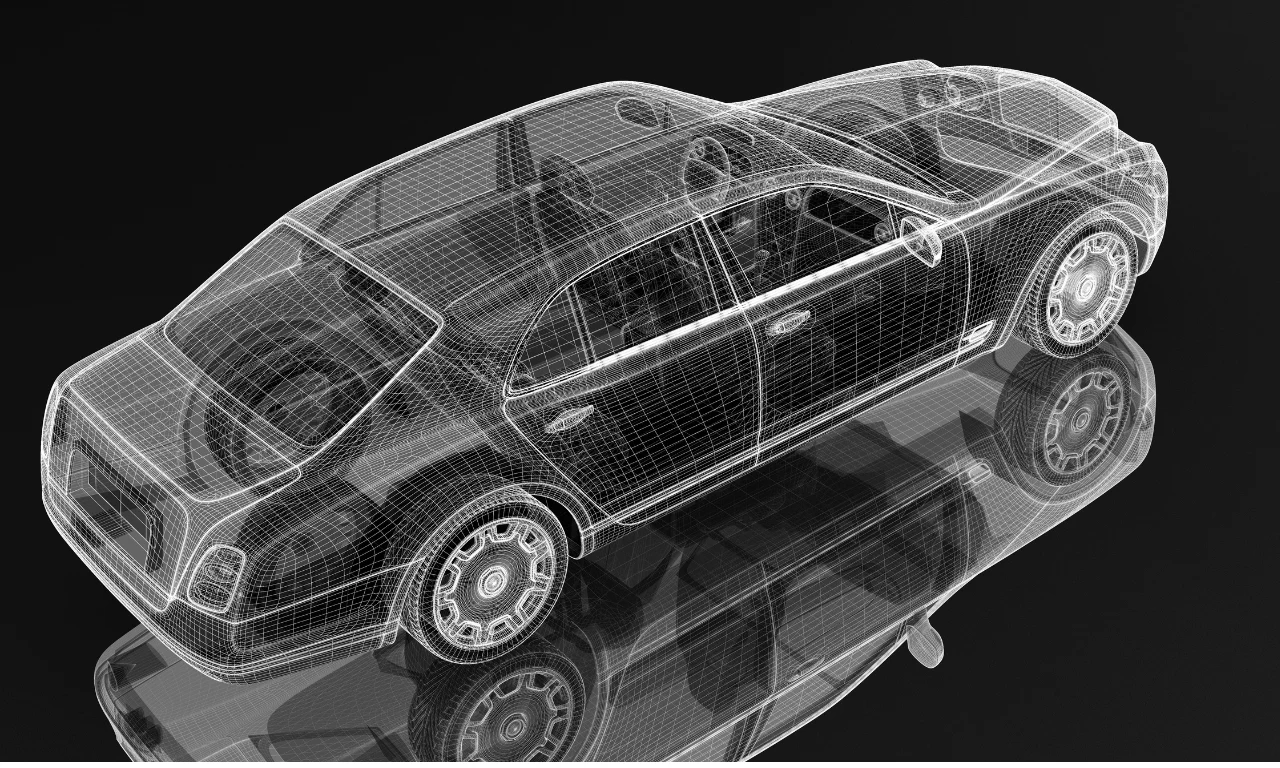
The EV industry in India has transformed from an engineering story into a lifestyle movement. But most marketing hasn’t caught up.
Static banners and one-dimensional campaigns can’t communicate what makes an EV feel different its silence, precision, innovation, or intelligence. That’s where 3D renders and digital carousels are reshaping automotive storytelling.
They transform abstract features into tactile experiences, helping audiences visualize how electric mobility fits into their world. For EV OEMs and startups, immersive content is no longer aesthetic, it’s strategic.
The Science of Recall: Why Visuals Drive Memory
Consumers process visuals 60,000× faster than text, and remember imagery up to 80% longer than written specs.
In a market flooded with similar-looking e-scooters and SUVs, recall becomes the most powerful competitive currency.
3D visuals and carousels bring storytelling depth to digital marketing allowing brands to:
-
Showcase EV interiors and design in motion.
-
Demonstrate battery, motor, or charging animations.
-
Visually explain complex features like regenerative braking or software updates.
When the brain sees, it believes. When it interacts, it remembers.
1. From Product Display to Product Experience
3D renders bridge the gap between specifications and sensations.
They let audiences explore details that traditional photography misses—light play, surface textures, interface behavior, and ergonomics.
Leading EV brands like Ather, Tata, and Ola Electric use 3D visuals to create immersive launch teasers, explainers, and configurators that replicate an in-showroom experience online.
This isn’t about CGI gimmicks; it’s about experience architecture making design innovation visible, accessible, and memorable.
2. Carousels as the New Storytelling Framework
LinkedIn, Instagram, and YouTube Shorts have made carousel storytelling a dominant medium for CXOs and consumers alike.
The best EV content isn’t a single image—it’s a sequence that reveals, educates, and persuades.
An effective EV carousel typically includes:
-
A bold, curiosity-led cover visual.
-
A clear “Why it matters” frame explaining benefit over feature.
-
A deep-dive panel showing how technology impacts daily life.
-
A closing frame reinforcing call-to-action or emotional payoff.
This sequential storytelling builds narrative rhythm, improving recall and shareability.
3. Turning EV Specs Into Visual Theatre
Features like torque, range, and charging time can feel cold or complex on paper.
3D storytelling humanizes these specs by converting them into motion, form, and energy.
Examples:
-
A dynamic render of charging flow replacing static range charts.
-
Visual “split animations” showing how battery and drivetrain interact.
-
Augmented reality walkarounds for online test drives.
The result? A digital showfloor that scales infinitely—and sells emotionally.
4. Driving Consistency Across Dealer and Digital
Most EV OEMs struggle with brand consistency between their central campaigns and dealer promotions. 3D content solves that. With Ottpilot , brands can manage, distribute, and synchronize creative assets across dealers, sales teams, and corporate operations ensuring every touchpoint communicates the same story, in the same tone, with the same visuals.
Whether it’s a carousel on Instagram or a digital standee at a dealership, Ottpilot ensures that creative storytelling scales with operational precision.
5. Interactive Content = Smarter Analytics
Unlike static ads, interactive content provides deep behavioral insights.
Brands can measure which frames hold attention, which features drive engagement, and which designs convert.
With Intellsys.ai, EV OEMs can track:
-
Audience interaction rates per carousel or render.
-
Sentiment analysis by frame and narrative style.
-
Conversion lift after 3D-integrated campaigns.
This turns creative expression into a data-driven performance loop a rare combination of emotion and intelligence.
6. Localize the Aesthetic, Globalize the Emotion
Indian EV buyers come from culturally diverse geographies, each with different aspirations.
Use regional cues color palettes, backdrops, language overlays to localize 3D visuals without losing the global aesthetic.
The emotional core remains the same: aspiration, progress, pride. Localization makes your brand relevant; emotion makes it universal.
7. Future Formats: 3D, AR, and Beyond
As AI-assisted design tools and augmented reality (AR) become mainstream, the next frontier of EV marketing will merge creative technology with emotional depth.
Imagine a buyer scanning a QR code and watching a full 3D render of the EV in their own driveway.
Or a dealer demo powered by AR, showing real-time customization options during the pitch.
Creative innovation is no longer a design department function it’s a business strategy.
The GrowthJockey View: Design Meets Intelligence
At GrowthJockey, we see creative storytelling as a competitive advantage in the EV market.
The brands that blend technology, data, and design into one seamless system will own the next decade of customer attention.
Through Intellsys.ai, we empower OEMs to measure creative effectiveness and audience response across touchpoints.
And with **Ottpilot **, we help OEMs operationalize creativity ensuring that every render, carousel, and visual asset connects brand storytelling to dealer performance. It’s not just about looking good; it’s about growing smart.
GrowthJockey is a venture architect helping OEMs and EV startups transform design into business performance.
We combine creative strategy, analytics, and operations to scale storytelling as an organizational capability.
With Intellsys.ai for creative analytics and **Ottpilot ** for operational consistency, we enable EV brands to drive not just attention but recall, retention, and revenue.
FAQs
Q1. Why are 3D renders essential for EV marketing?
Ans. They visualize innovation and emotion, helping customers experience features and design before visiting showrooms.
Q2. How do carousels improve brand recall?
Ans. Carousels create narrative sequences that hold attention, making brand messaging more memorable across digital platforms.
Q3. How can OEMs ensure visual consistency across dealers?
Ans. Tools like Ottpilot enable centralized creative management, aligning digital storytelling with dealer-level execution.
Q4. How can creative performance be measured?
Ans. Platforms like Intellsys.ai analyze engagement, sentiment, and conversion across creative assets to quantify storytelling ROI.









Industries
Growth
Operations
Technology