
How Omnichannel AI Is Driving Consumer Electronics Growth
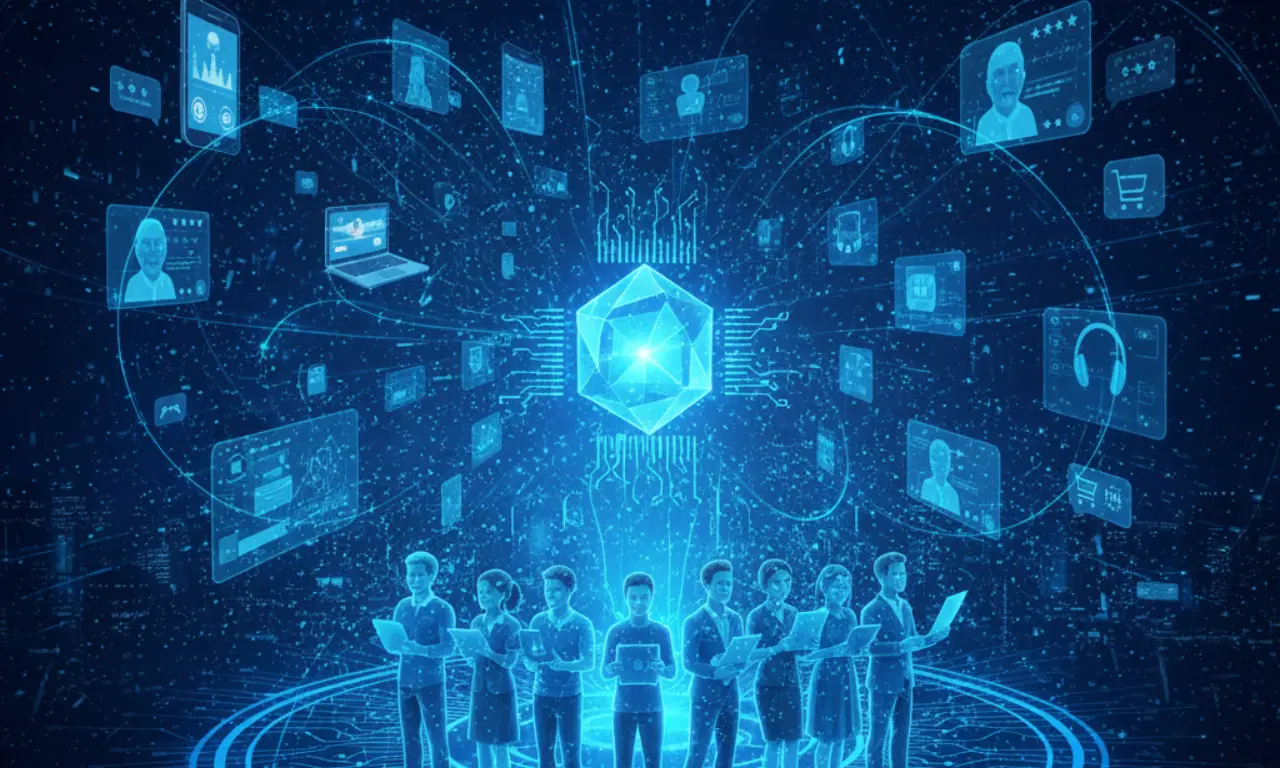
In today’s dynamic retail landscape, the consumer electronics industry in India stands at the intersection of data, convenience, and personalization. Modern consumers no longer follow a linear purchase journey; they browse products online, compare prices via mobile apps, and finalize purchases in physical stores or vice versa.
To cater to this new reality, brands are embracing omnichannel retail AI -a transformative approach that integrates online and offline ecosystems to provide a truly seamless shopping experience. From pre-purchase engagement to post-sales support, AI-driven unification ensures consistency, convenience, and context across every customer touchpoint.
For manufacturers and retailers in the fast-moving durables and electronics categories, mastering this cross-channel customer journey isn’t just a matter of convenience -it’s a strategic differentiator that drives growth, loyalty, and market share.
The Rise of the Connected Shopper
Today’s electronics buyers operate in a multi-screen world. They research a product on mobile, check specifications on YouTube, and often walk into a store to experience it firsthand before buying online.
This behavior shift has made unified commerce electronics models essential for brands aiming to provide a consistent experience. In such a setup, inventory, pricing, and customer data are synchronized across all channels -ensuring that a customer exploring an LED TV online sees the same availability and offer as in a nearby retail outlet.
AI-led omnichannel platforms extend this further by predicting customer intent and recommending relevant products, content, and promotions at every step. The goal is simple: ensure no matter where the consumer interacts, the experience feels connected, coherent, and personalized.
How Omnichannel AI Works
The foundation of omnichannel success lies in data integration. AI enables brands to merge insights from various touchpoints -CRM systems, online portals, retail POS data, and social platforms into a single customer view.
Here’s how omnichannel retail AI functions in practice:
-
Data Unification: AI connects siloed data sources to create a real-time profile of each shopper -capturing browsing behavior, purchase history, and engagement signals.
-
Predictive Engagement: Using behavior modeling, AI forecasts when a customer is likely to purchase, what product they’re considering, and what offer or content would trigger conversion.
-
Cross-Channel Activation: Based on this intelligence, automated campaigns activate across relevant channels -email, WhatsApp, in-store displays, or e-commerce platforms.
-
Continuous Feedback Loop: Each interaction feeds back into the system, refining algorithms for more accurate personalization in future engagements.
This orchestration results in a seamless shopping experience, where transitions between touchpoints are frictionless and customer intent is anticipated before action.
Unified Commerce Electronics: Why It Matters
The consumer electronics and electrical durables industry is characterized by complex distribution networks, diverse SKUs, and high-value purchases. Fragmentation between sales channels often leads to pricing discrepancies, out-of-stock issues, or lost sales.
By implementing unified commerce electronics solutions, brands gain full visibility across inventory, pricing, and consumer activity. A customer browsing an inverter air conditioner online can instantly check availability at the nearest store or schedule an in-store demo, all enabled by a cross-channel customer journey engine powered by AI.
This not only enhances buying confidence but also minimizes sales leakages caused by information gaps or inconsistent experiences.
Benefits of unified commerce:
-
Real-time visibility across all sales and service points
-
Reduction in abandoned carts and failed transactions
-
Higher brand trust through consistent communication
-
Improved ROI on marketing campaigns via unified insights
AI-Powered Personalization Across Touchpoints
Traditional retail marketing focused on segmentation -dividing customers into broad categories. Omnichannel AI takes this to the next level through micro-personalization, analyzing intent at the individual level.
For instance, a customer searching for Bluetooth speakers online might receive AI-driven recommendations for compatible accessories or bundled offers in-store. Similarly, if they abandon a cart online, the AI system can trigger personalized WhatsApp nudges or display contextual promotions during their next in-store visit.
This integrated retail platform ensures that every customer interaction is tailored, timely, and data-driven -turning intent into conversion.
As brands adopt omnichannel retail AI, they can dynamically adjust product displays, service prompts, and recommendations based on each customer’s live context, merging digital intelligence with physical engagement.
Building a Truly Seamless Shopping Experience
Creating a seamless journey requires more than technology, it demands operational alignment. To achieve it, leading electronics and electrical brands are redesigning processes around the customer, not the channel.
Steps toward a seamless model include:
-
Data and Channel Synchronization: Unifying product catalogs, offers, and promotions across online and offline channels.
-
Smart Inventory Allocation: Using AI to predict demand surges and redistribute stock accordingly.
-
Cross-Functional Collaboration: Breaking silos between marketing, sales, and retail teams to maintain message consistency.
-
Proactive Customer Support: Deploying AI chatbots and service automation for real-time assistance post-purchase.
With these pillars, brands can ensure that whether a customer browses online, visits a store, or interacts on social media, the brand voice and experience remain continuous and intelligent.
Challenges in Implementing Omnichannel AI
While the benefits are substantial, the journey isn’t without challenges:
-
Legacy Systems: Many consumer electronics retailers still run on outdated ERPs and unintegrated POS systems.
-
Data Quality Issues: Inconsistent data capture across channels leads to inaccurate insights.
-
Change Resistance: Teams often need training to interpret and trust AI recommendations.
-
Infrastructure Costs: Implementing integrated retail platforms requires upfront investment and scalability planning.
However, brands that overcome these challenges early establish a decisive edge in customer retention and digital maturity.
The Future of Consumer Electronics Retail
In the coming years, omnichannel retail AI will evolve beyond coordination into anticipation. AI engines will not just unify experiences -they will predict the next best action. Imagine a system that alerts a retailer when a loyal customer is likely to upgrade their TV or smartphone, enabling personalized outreach before the purchase decision even begins.
Such predictive commerce, coupled with immersive technologies like AR-driven product trials and smart retail analytics, will redefine how brands engage with consumers -making retail not just seamless but intuitive.
Conclusion
The consumer electronics industry in India is moving toward an AI-powered future, where the boundary between digital and physical retail dissolves. By embracing omnichannel retail AI, unified commerce electronics, and integrated retail platforms, brands can deliver truly seamless shopping experiences that connect every stage of the cross-channel customer journey.
In an age where choice is abundant and loyalty fleeting, omnichannel AI is the key to building connected ecosystems that not only sell better but understand customers deeper.
At GrowthJockey, we empower consumer electronics and electrical brands to build intelligent, unified customer journeys. From dynamic content delivery to unified commerce management, GrowthJockey provides the tools and intelligence required to turn fragmented retail ecosystems into growth engines.
FAQs
1. What is omnichannel retail AI?
Ans. Omnichannel retail AI uses artificial intelligence to unify online and offline retail channels, ensuring consistent, data-driven customer engagement.
2. How does AI enhance the consumer electronics buying experience?
Ans. AI personalizes interactions, predicts preferences, and ensures product and pricing consistency across touchpoints for a smooth buying journey.
3. What is the difference between unified commerce and omnichannel retail?
Ans. While omnichannel connects channels, unified commerce integrates them through shared data, offering a single view of customers and inventory.
4. How can retailers implement a seamless shopping experience?
Ans. By syncing product catalogs, inventory, and promotions across channels, and leveraging AI for predictive engagement and customer support.
5. Why choose GrowthJockey for omnichannel transformation?
Ans. GrowthJockey combines AI, data integration, and retail automation to deliver unified, customer-centric commerce experiences at scale.







Industries
Growth
Operations
Technology