
Guide To Amazon Demand Side Platform (DSP) Advertising With Examples For 2026
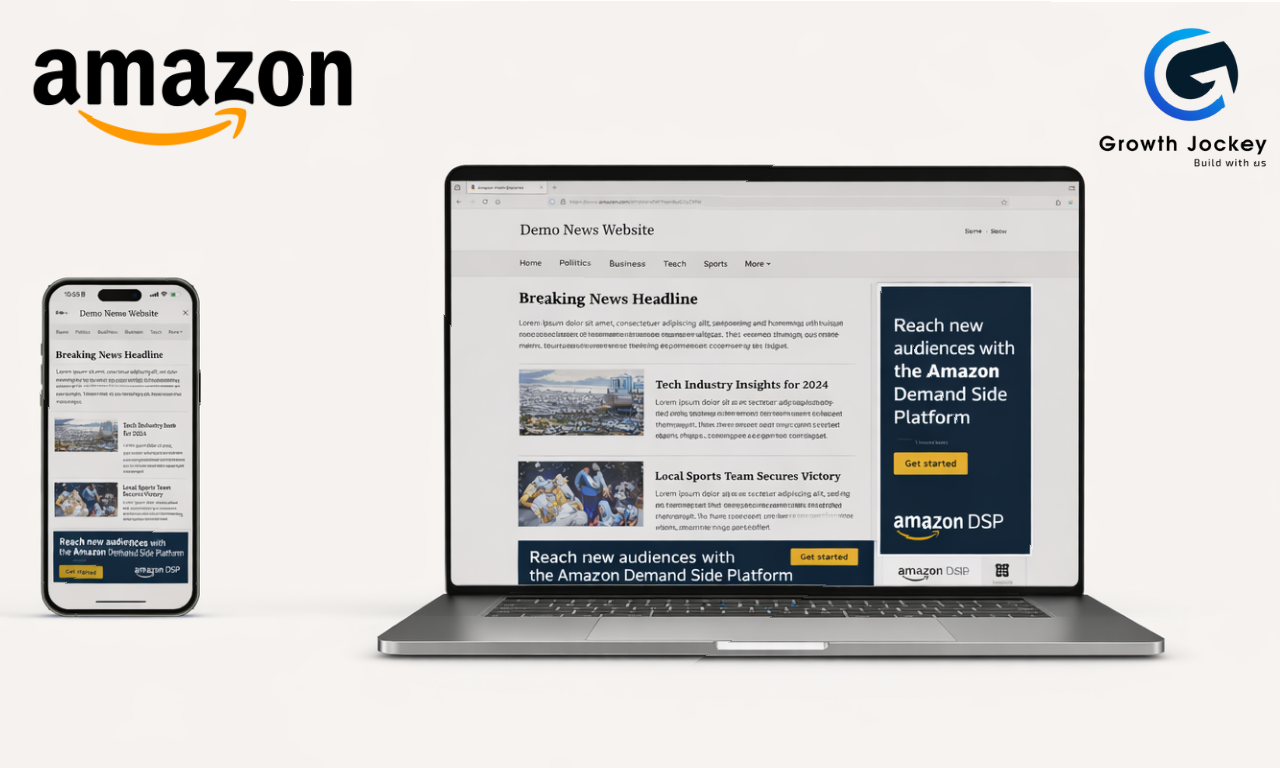
Amazon's advertising ecosystem has grown into a $56 billion juggernaut (ad revenue in 2024), making it the world's third-largest digital advertising platform. With over 2 billion visitors per month on Amazon's sites, brands have a massive opportunity to reach shoppers. One key to unlocking this potential is Amazon DSP (Demand Side Platform) – a programmatic advertising solution that enables advertisers to buy display, video, and audio ads both on and off Amazon.
In this deep-dive guide, we'll explain what Amazon DSP is, how it works, where Amazon DSP ads appear, how it differs from Amazon's other ad products, and how founders and marketers in India can leverage it for growth. (Note: Amazon "DSP" in this context stands for Demand Side Platform, not to be confused with Amazon's Delivery Service Partner logistics program, which is a separate amazon delivery partner franchise opportunity.)
What is Amazon DSP (Demand Side Platform) ?
Amazon DSP is Amazon's programmatic advertising platform that allows advertisers to purchase ad placements programmatically (via automated real-time bidding) across Amazon's own properties and a vast network of external websites and apps. In simple terms, Amazon DSP lets you reach audiences using Amazon's rich shopper data, beyond just the Amazon.in marketplace. It's part of the broader suite of Amazon advertising types available to brands, complementing pay-per-click ads like Sponsored Products and Sponsored Brands. Unlike those PPC ads which appear in Amazon search results, DSP enables display and video ads that can surface on Amazon's homepage, product detail pages, Fire TV, IMDb, Twitch, and even third-party sites through Amazon's ad network.
At its core, Amazon DSP is a demand-side platform – software for automated media buying across multiple sources. Advertisers can set targeting criteria (like demographics, interests, shopping behavior) and bid for ad impressions, and the DSP uses automation to serve ads to the right users at the right time. Because it's programmatic, Amazon DSP operates on a dynamic CPM (cost per thousand impressions) model rather than CPC (cost per click). This means you bid on and pay for impressions (views), not clicks, allowing for broad reach and awareness campaigns. (In fact, about two-thirds of all digital display ads today are bought programmatically, totaling roughly $84.9 billion in spend). Amazon's DSP was formerly known as the Amazon Advertising Platform (AAP), and is now fully integrated under the unified Amazon Advertising console.
Key features: Amazon DSP provides sophisticated targeting and placements beyond what self-serve Sponsored Ads offer. It is available to both Amazon sellers and non-sellers (often called endemic vs. non-endemic advertisers). Even brands that don't sell on Amazon can use DSP to reach Amazon's audience segments across the web. However, Amazon DSP typically requires a significant budget commitment or working with an Amazon Ads partner.
Amazon's own managed-service DSP usually has a minimum spend (around $35,000 USD to start). The good news is that if you don't meet these thresholds, you can work with accredited agencies (Amazon DSP "resellers") who provide access without the full minimum. This makes DSP accessible even for smaller brands via agency partners – a route many growing Indian brands take to tap into programmatic advertising.
Why Use Amazon DSP? (Benefits and Capabilities)
-
Massive Reach On and Off Amazon: Amazon DSP enables brands to reach shoppers across Amazon-owned properties and thousands of third-party websites, apps, and publishers via Amazon Publisher Services. This allows advertisers to stay visible beyond Amazon.in, tapping into Amazon’s data-driven reach across the open web and delivering scale that standard Amazon ads can’t achieve.
-
Precise Targeting with First-Party Data: Amazon DSP unlocks Amazon’s first-party shopper and streaming data, allowing targeting based on in-market behavior, lifestyle interests, demographics, and remarketing audiences. Brands can also activate their own customer data, making DSP far more granular and intent-driven than Sponsored Ads or most third-party platforms.
-
Full-Funnel Marketing Capabilities: DSP supports true full-funnel execution from upper-funnel awareness using OTT or video ads, to mid-funnel consideration and lower-funnel retargeting. By engaging shoppers across multiple touchpoints, brands can drive sustained lift in product views, consideration, and conversions over time.
-
Advanced Controls and Formats: Amazon DSP offers granular controls over frequency, placements, creatives, time-of-day targeting, and A/B testing. It supports multiple formats including display, video (OTT and online), and audio ads, enabling brands to tailor messaging by audience, stage, and channel.
-
Rich Analytics and Insights: DSP provides closed-loop measurement across impressions, clicks, detail page views, add-to-cart actions, sales, and new-to-brand customers. When combined with Amazon Marketing Cloud and Amazon Brand Analytics, advertisers gain deep visibility into the customer journey and campaign impact.
-
Retargeting and Loyalty: Amazon DSP is highly effective for retargeting high-intent audiences such as product viewers, cart abandoners, and past buyers. By re-engaging these users both on and off Amazon, brands can drive repeat purchases, improve customer lifetime value, and build long-term loyalty.
Did you know? Programmatic advertising like Amazon DSP is rapidly growing. The number of brands using Amazon DSP jumped 50% year-over-year recently, as advertisers recognize its value. By Q4 2024, 32% of all Amazon ad spend was being funneled through DSP[1] – a testament to how advertisers are shifting budget into Amazon's programmatic ads. In short, Amazon DSP has become a go-to for brands looking to scale up their marketing beyond what standard Amazon ads can do.
How Does Amazon DSP Work?
So, how do you actually use Amazon DSP and what does a DSP campaign look like? Let's break down the basics of how Amazon DSP works:
1. Accessing Amazon DSP
There are two ways to use DSP – self-service or managed service. With self-service, you (or your agency) get direct access to the DSP platform to create and manage campaigns; this gives full control and no added management fees. However, self-service is typically only available if you commit to high spend (tens of thousands of dollars). With managed service, Amazon's ad team (or an agency partner) runs campaigns for you. Managed service is good for advertisers with limited programmatic experience, but Amazon may charge a management fee and require the aforementioned minimum spend (~$35K) to onboard.
In India, many brands choose to work with an Amazon Ads partner agency (like GrowthJockey) who can provide enterprise DSP access without you spending the full minimum – effectively lowering the barrier to entry. This is a great way for emerging brands to test DSP campaigns with expert guidance.
2. Setting Campaign Goals and Audience Targeting
Once you have access, you'll define your campaign objective – e.g. awareness (reach), consideration (traffic/views), or conversion (sales/ROAS). Based on this, you choose your audience targeting. Amazon DSP offers three main buckets of audience targeting:
-
Amazon Audiences: Pre-built segments using Amazon's first-party data. These include in-market segments (people actively shopping for specific categories), lifestyle segments (based on long-term interests and content consumption), demographics (age, gender, etc.), and streaming audiences (based on Prime Video, Freevee, Twitch behavior). For example, you can target "beauty enthusiasts" or "home decor in-market" shoppers.
-
Advertiser Audiences: Your own data applied to Amazon. You can retarget shoppers who viewed or purchased your products or similar products. You can also upload CRM data (hashed email lists) or deploy Amazon's pixel on your website to create audiences. This lets you re-engage past customers or site visitors via Amazon DSP ads.
-
Third-Party Audiences: Amazon DSP integrates with external data providers for additional targeting options (e.g. interest or intent data outside Amazon). These can extend reach, though Amazon's native signals are often the most powerful.
You can combine these targeting types to refine who sees your ads. For example, target "users who viewed my product but didn't purchase" for a retargeting ad, or "women 25-40 in India in-market for fitness apparel" for a prospecting ad. This fine-grained targeting is a major advantage of DSP's programmatic approach.
3. Choosing Ad Inventory and Formats
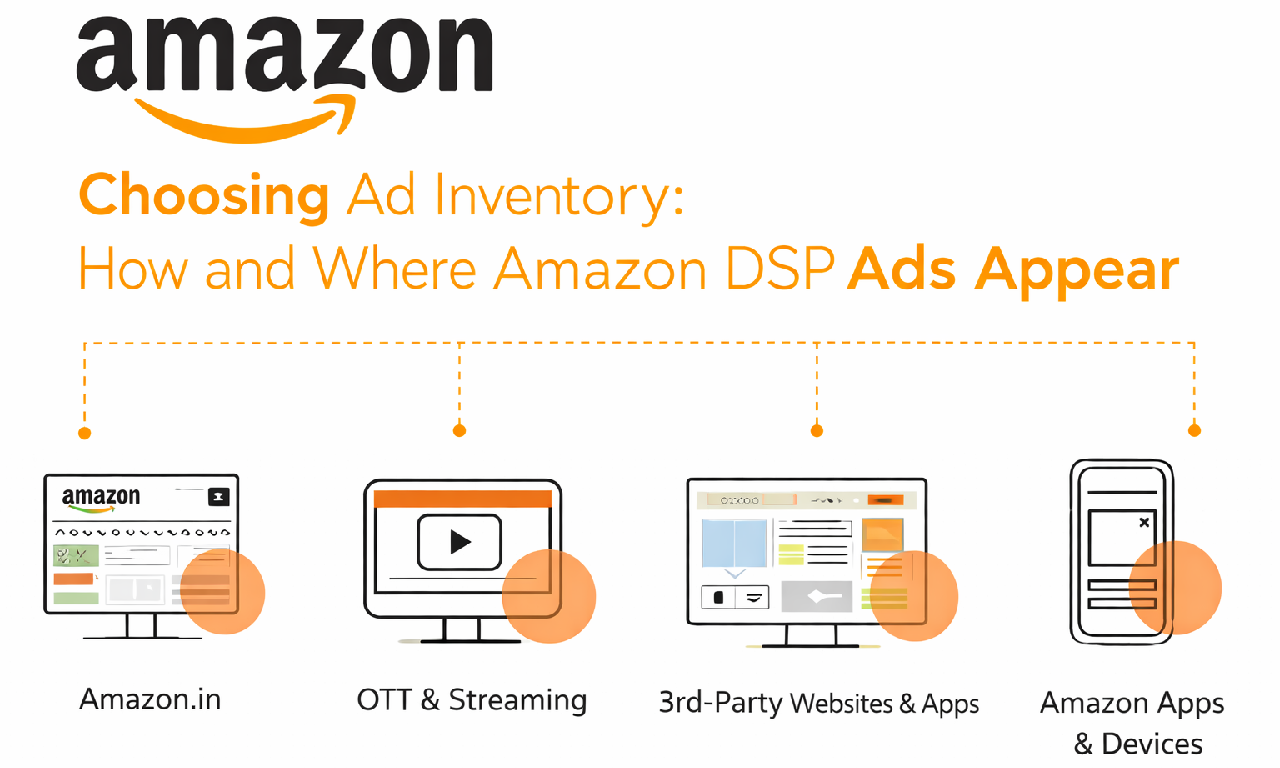
Next, you decide where and how your ads will appear. Amazon DSP provides access to two kinds of inventory:
-
Amazon Owned-and-Operated Inventory: This includes placements on Amazon's own sites and apps – for instance, banner ads on Amazon.in homepage or product pages, ads on Fire TV or Fire Tablet, Twitch video ads, IMDb video ads, and placements in Amazon's mobile shopping app. Amazon typically ensures these placements are brand-safe and high-quality. Notably, video ads through DSP often run on Prime Video (in ad-supported streams or live sports) and other Amazon streaming channels, giving you TV-like exposure.
-
Third-Party Inventory: Amazon DSP connects to top ad exchanges and Amazon Publisher Services, giving you reach across thousands of other websites and mobile apps. Your ads could show on news sites, lifestyle blogs, gaming apps, etc., sourced programmatically. According to Amazon, the DSP inventory covers high-quality publishers across desktop, mobile web, and mobile apps. In India, this means your ad buy isn't confined to Amazon.in – you're effectively using Amazon's data to buy media across the open internet.
You will select what formats to use depending on your goal. Display ads (static or HTML5 banners) are common for both awareness and retargeting. They come in all standard sizes (300x250, 728x90, 160x600, etc.) for desktop and mobile, and DSP will serve them in the appropriate slots on webpages or apps. Video ads can be used in two ways: OTT streaming TV ads (full-screen, non-clickable ads that play during streaming content on services like Prime Video, often to build awareness), and online video (OLV) ads that play on websites (these are clickable, so they can drive traffic to a landing page).
Amazon DSP even supports audio ads – 10-30 second spots that play on Amazon Music's free tier or on Alexa devices, sold on a CPM basis. (Notably, Amazon partnered with SiriusXM to expand audio ads via DSP.) With such variety, you can deliver a cohesive message across formats – for example, a video ad to introduce your brand, followed by display ads to reinforce it.
Importantly, you also decide where a user goes when they click your ad. DSP ads can link to: your Amazon product detail page, your Brand Store on Amazon, a custom Amazon landing page, or an external website (yes, you can even drive traffic to your own D2C site or any URL). This flexibility is huge – it means Amazon DSP isn't just for driving Amazon sales; you can use it for broader digital marketing goals like building your off-Amazon ecommerce growth or lead generation.
4. Bidding and Budgeting
Amazon DSP uses real-time bidding (RTB) to purchase impressions. You'll set a budget for your campaign or line items and a bid price (or let Amazon's algorithms optimize bids). For example, you might bid $5 CPM to reach a certain audience segment. The DSP will enter auctions and win ad slots when your bid and targeting criteria align and beat the competition. Amazon often recommends using dynamic bidding and allowing its optimization algorithms to adjust bids for best performance. As your campaign runs, you can monitor spend and adjust budgets, pacing, or bids as needed. Keep in mind that advertising costs are on top of your selling costs on Amazon – you should factor in Amazon Seller fees & Commission when calculating ROI, to ensure your ad spending is profitable.
5. Measuring and Optimizing
Once live, Amazon DSP provides detailed reports. You can see impressions, clicks, click-through-rate, cost per click, etc., but also downstream metrics like how many people purchased your product after seeing the ad (and the resulting sales revenue). You'll get ROAS (Return on Ad Spend) figures for campaigns aiming for conversions. For awareness campaigns, you might look at metrics like video completion rate (e.g. what % watched your video ad fully) – in one Indian campaign for Neutrogena, their 15-second video ads achieved an 85% completion rate, surpassing benchmarks. Use these insights to tweak your strategy: for example, if one audience segment yields a better ROAS, allocate more budget there; if one creative has a higher click-through, prefer it; if frequency is too high (ad fatigue), adjust caps. Continual optimization is key to DSP success.
Amazon also offers advanced tools like Amazon Marketing Cloud (AMC) for in-depth attribution and omnichannel metrics to see how DSP ads influence offline or other channel sales. But even without those, the DSP's granular reporting is usually a revelation for advertisers used to simpler platforms – you can truly connect the dots from ad impression to sale.
Amazon DSP vs. Amazon’s Sponsored Ads (Key Differences)
| Key Dimension | Amazon DSP (Demand Side Platform) | Amazon Sponsored Ads |
|---|---|---|
| Access & Eligibility | Requires managed service or agency/reseller access; typically higher budget thresholds | Fully self-serve inside Seller/Vendor Central; no minimum spend |
| Pricing Model | CPM-based (pay per 1,000 impressions); optimized for reach and visibility | CPC-based (pay per click); optimized for direct sales |
| Audience Targeting | Advanced first-party audiences (in-market, lifestyle, streaming), CRM uploads, third-party data | Keyword targeting + limited audience/retargeting options |
| Ad Inventory | On Amazon and off Amazon (websites, apps, OTT/CTV like Fire TV, Prime Video) | Primarily on Amazon placements; limited off-site reach |
| Creative & Destinations | Custom display, video, audio creatives; can drive to Amazon pages or external websites | Fixed native formats; always drives traffic within Amazon |
| Best Use Case | Full-funnel growth: awareness, consideration, retargeting, brand building at scale | Lower-funnel performance: capturing high-intent shoppers and conversions |
-
Self-Serve vs. Managed Access: Sponsored Ads (Sponsored Products, Brands, and Display) are fully self-serve and available to all Amazon sellers through the advertising console. Amazon DSP, on the other hand, typically requires managed access via Amazon or an agency partner and often comes with a higher spend threshold. This makes Sponsored Ads easier for small advertisers, while DSP is usually used by brands with larger budgets or more advanced goals.
-
Cost Model: Sponsored Ads run on a CPC (cost-per-click) model, making them performance-driven and budget-friendly. Amazon DSP operates on a CPM (cost-per-thousand-impressions) model, which is better suited for reach, awareness, and upper-funnel objectives. DSP success is measured not just by clicks, but also by view-through conversions, brand lift, and assisted sales.
-
Targeting and Audience Data: Sponsored Display offers limited audience targeting, mainly focused on basic retargeting and interest-based segments. Amazon DSP unlocks far richer audience options, including in-market, lifestyle, demographic, lookalike, competitor, and first- or third-party data targeting. DSP also supports non-Amazon advertisers, while Sponsored Display’s off-Amazon and non-endemic targeting is still limited.
-
Ad Inventory and Placement: Sponsored Ads appear mainly on Amazon-owned placements such as search results and product detail pages, with minimal off-site reach. Amazon DSP extends far beyond Amazon, serving ads across third-party websites, mobile apps, OTT streaming platforms, and Amazon-owned properties like Fire TV and Twitch—making it ideal for off-Amazon reach.
-
Creatives and Formats: Sponsored Ads have predefined formats tied closely to product listings. Amazon DSP allows fully custom creatives, including display banners, video, and audio ads, and supports both Amazon and external landing pages. This flexibility enables stronger brand storytelling but requires higher-quality creative investment.
-
Budget and Scale: Sponsored Ads have no minimum spend and can run on very small daily budgets. Amazon DSP typically requires a larger monthly investment to perform efficiently, although agency access has lowered entry barriers. DSP is best suited for brands that have already optimized Sponsored Ads and are ready to scale with full-funnel campaigns.
In short: Sponsored Ads are ideal for lower-funnel, intent-driven sales, while Amazon DSP is designed for scale, advanced targeting, and full-funnel growth across Amazon and the open web. Most mature brands use both together to maximize overall impact.
Amazon DSP Ad Examples and Use Cases
-
Product Retargeting: Retarget shoppers who viewed your product but didn’t purchase by showing display ads on Amazon.in and third-party websites. These ads bring high-intent users back to your product page and are especially effective during sales events and seasonal campaigns, often delivering higher conversion rates than organic revisits.
-
Brand Awareness Campaign: Use 15–30 second video ads on OTT platforms like Freevee and Prime Video along with premium third-party sites to reach lifestyle, category, and demographic audiences. Pair non-clickable OTT video with clickable display ads to drive consideration, measuring impact through video completion rate, brand search lift, and assisted ROAS ideal for launches and category expansion.
-
Cross-Selling and Loyalty: Re-engage existing customers with complementary or repeat-purchase products using display or audio ads on Amazon Music and off-Amazon placements. This approach strengthens retention, increases customer lifetime value, and keeps your brand visible even when shoppers are browsing outside Amazon.
-
Non-Endemic Advertising: Brands that don’t sell products on Amazon such as finance, education, or automotive companies can still use Amazon DSP to target high-intent Amazon audiences. These campaigns typically drive traffic to external websites or lead forms, leveraging Amazon’s first-party data beyond ecommerce.
-
Full-Funnel Product Launch: Combine Amazon DSP for awareness and retargeting with Sponsored Ads for conversion to scale new product launches quickly. This full-funnel approach helps brands build reach off Amazon, capture intent on Amazon, and drive strong lifts in impressions, glance views, and sales.
Tips for Succeeding with Amazon DSP
Before you jump into Amazon DSP, here are a few tips and best practices to ensure you get the most out of your investment:
Make Sure You're Retail-Ready
If you're driving traffic to your Amazon product pages, ensure those pages are optimized to convert. High-quality images, persuasive copy, good pricing, and Amazon A+ Content (enhanced product descriptions with rich media) can significantly boost conversion rates. There's no point paying for impressions if the traffic doesn't convert due to poor detail page content. Similarly, keep an eye on stock levels – nothing kills ROI like paying for an ad click to a product that's out of stock! In short, get the basics (reviews, ratings, content, price) right on your listings before pouring money into DSP ads.
Leverage Full-Funnel Targeting
Use a combination of prospecting and retargeting in your DSP strategy. Upper-funnel ads (like category-wide in-market audience targeting) will fill your funnel with new prospects, while lower-funnel ads (like remarketing to product viewers) will close the sale. Amazon recommends running always-on retargeting DSP campaigns to capture those who didn't convert on first visit. Also, don't forget to exclude recent purchasers in your targeting (so you're not wasting impressions on someone who just bought your product yesterday). A clever strategy is to sequence your creatives – e.g. first show a lifestyle ad to build interest, then a product-focused ad to those who engaged, creating a cohesive customer journey.
Test Different Creatives and Messages
One advantage of programmatic is the ease of testing. Try out multiple creatives – different banners, headlines, calls to action – and see which performs best. Amazon DSP allows A/B testing of creatives within a line item. You might find that one design drives a much higher click-through rate or that a particular tagline resonates more. Continuously optimize by pausing poor performers and reallocating budget to winners. Also, tailor your creatives to the audience segment if possible (for instance, an ad targeting "sports enthusiasts" might use imagery or copy that references fitness, whereas a general audience ad might not).
Monitor Frequency and Budget Pacing
Be mindful of ad frequency – if the same users see your ad too many times, it can lead to ad fatigue or annoyance. Amazon DSP lets you cap frequency (e.g. max 5 impressions per user per day). Finding the right frequency cap can improve efficiency. Similarly, watch your budget pacing. It's often useful to start with a modest daily budget and gradually increase as you see performance stabilize. Don't be afraid to adjust bids and budgets between line items to ensure you're fully utilizing your budget on the best opportunities. If one segment is hitting its daily cap quickly and performing well, increase its share.
Measure Beyond Clicks
Not everyone will click your ads, but that doesn't mean the ad had no impact. Many shoppers will see a DSP ad and later go search for your brand on Amazon or Google, or directly visit your product page. So look at view-through conversions and overall lift. Amazon DSP reporting can show how many conversions happened among people who saw your ad (even if they didn't click it). You can also compare periods with and without DSP running to see the lift in total sales or branded search volume. Using tools like Amazon Brand Analytics can help here – for example, checking if your brand's search frequency rank improved after a big DSP campaign. This holistic measurement will give you a true sense of ROI, especially for those upper-funnel efforts.
Ensure Fulfillment and Customer Experience
If your DSP ads succeed, you could be driving a surge of traffic and orders. Make sure your operations can handle it. Using Fulfillment by Amazon (FBA) is a smart move for sellers investing in ads, because FBA will manage packing and shipping quickly with Prime eligibility. Fast shipping and reliable service mean customers who click your ads are more likely to be satisfied (and leave good reviews, repeat purchase, etc.). In case you're also selling on other channels or your own site, you can even use Amazon's logistics for those orders via multi-channel fulfillment, ensuring a smooth delivery experience across the board. A successful ad campaign isn't just about the ad – it's about delivering on the promise after the click.
Consider Professional Management
Finally, if all this sounds complex, consider working with experts. Amazon DSP is a powerful but sophisticated tool. Partnering with an experienced Amazon DSP agency or consulting with Amazon's ad team can help you maximize results. They can assist with everything from creative design to advanced targeting setups and optimization that would be hard to do on your own. Given the significant budget often involved, professional management can often pay for itself by improving efficiency. As a founder or marketing leader, you'll get better returns and save time by leveraging specialists who navigate Amazon DSP daily.
Conclusion
Amazon DSP gives brands a level of reach and targeting that traditional Amazon PPC simply can’t match. By combining programmatic buying with Amazon’s first-party shopper data, it enables founders and marketers in India to drive full-funnel growth - on Amazon and beyond.
That said, DSP only works when executed with the right strategy, creatives, and budgets. It’s best suited for brands that already have momentum on Amazon and are ready to scale efficiently.
Want to Run Amazon DSP Without Burning Budget?
GrowthJockey - Venture Builder helps brands unlock Amazon DSP with a clear, ROI-driven approach- from audience strategy and creatives to performance optimization.
FAQs
Q1. Is Amazon DSP available in India for small or mid-sized brands?
Yes. While Amazon’s managed DSP typically has a high minimum spend, many Indian brands access Amazon DSP through certified agency partners. This allows smaller or growing brands to run DSP campaigns without committing to the full minimum budget.
Q2. Where do Amazon DSP ads actually appear?
Amazon DSP ads can appear both on Amazon-owned properties (Amazon.in, product pages, Fire TV, Prime Video, Twitch, IMDb) and off Amazon across thousands of third-party websites, mobile apps, and OTT platforms using Amazon’s ad network.
Q3. Is Amazon DSP better than Sponsored Display ads?
They serve different purposes. Sponsored Display is self-serve, CPC-based, and mostly Amazon-centric. Amazon DSP is CPM-based, offers far deeper audience targeting, supports video/audio formats, and allows off-Amazon reach making it ideal for full-funnel and scale-focused campaigns.
Q4. What budget should Indian brands plan for Amazon DSP?
Practically, DSP works best when you can invest at least ₹3–5 lakhs per month for meaningful reach and optimization. However, pilot campaigns via agencies can start lower, especially for retargeting-focused strategies.








Industries
Growth
Operations
Technology